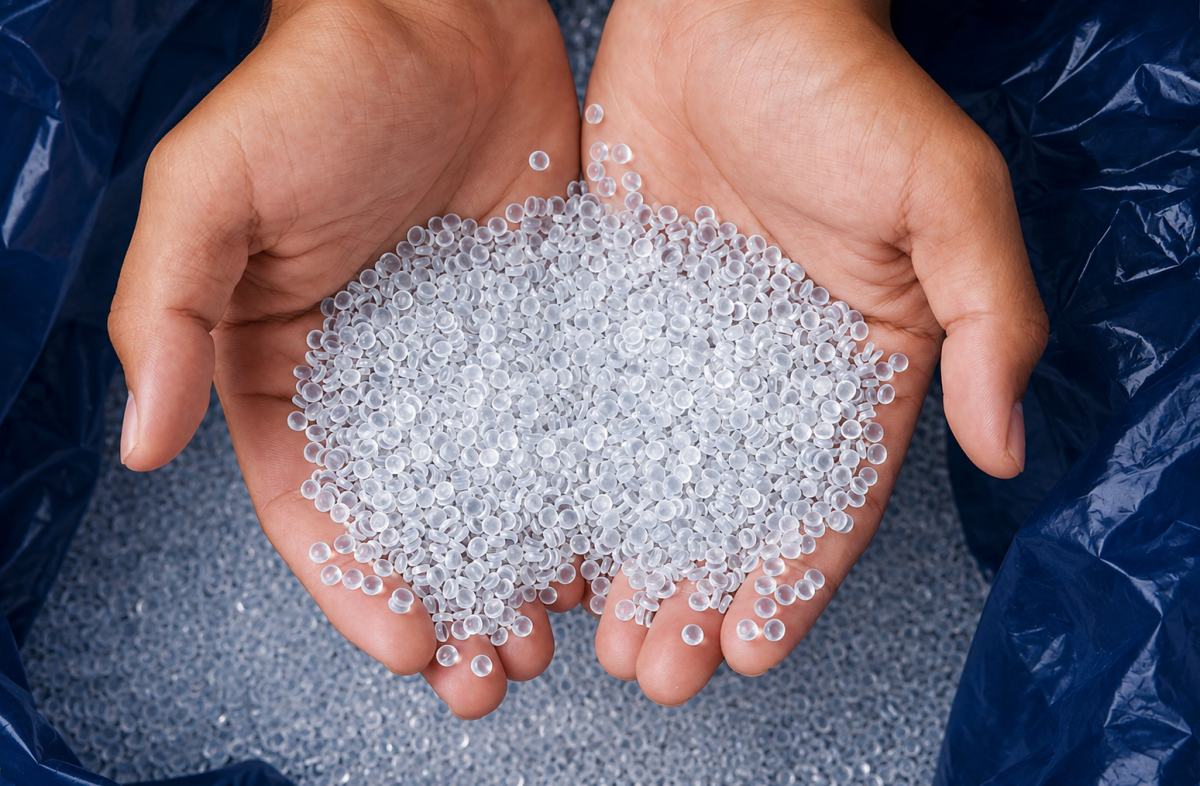
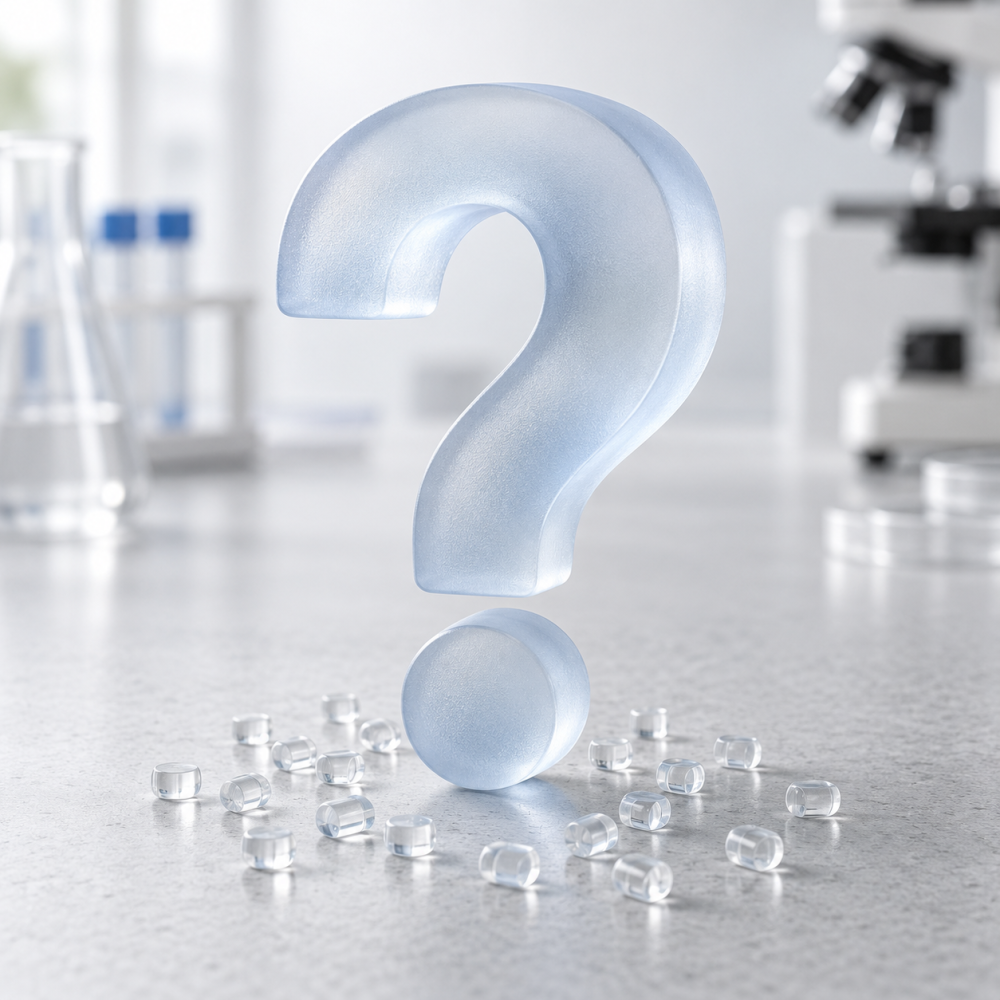
Biomaster_masterbatch_pellets_clear_888833344.png

Biomaster Antimicrobial Additives for Manufacturers

Build antimicrobial product protection into your next product with Biomaster from Addmaster. Our silver-ion antimicrobial additives inhibit the growth of susceptible microorganisms on treated materials, helping manufacturers develop a measurable product feature.

Available in masterbatch, liquid and powder formats for suitable applications, Biomaster is supported by advice on additive selection, manufacturing trials, testing and product communication.

Tell us about your material, manufacturing process and intended market. We will help you assess suitability and identify the next development steps.

Biomaster_silver_ion_antimicrobial_technology_8888877.jpg

What is Biomaster?

Biomaster is Addmaster’s silver-ion antimicrobial additive technology. It can be incorporated into suitable materials during manufacture or introduced through an appropriate coating or treatment, making antimicrobial functionality part of the finished product. Applications include plastics, paints, coatings, paper and textiles, with the formulation and incorporation method selected around the material and its intended use.

For manufacturers, this creates an opportunity to differentiate a product through a function that can be tested and explained. Where microbial growth contributes to unwanted odours, staining or material deterioration, a suitably selected treatment may help address those specific problems. Each proposed benefit needs evidence relevant to the application, with testing carried out on representative samples of the finished material.

Addmaster supports this development process through additive selection, manufacturing guidance and advice on testing and product communication. This helps connect the technology with a clearly defined purpose in your product.

Biomaster provides protection for the treated material. It does not make a product sterile or replace normal cleaning, laundering or hygiene practices.

Choosing_an_antimicrobial_additive_111992343.jpg

Choosing an Antimicrobial Additive for Your Product

The right additive starts with the product specification. Your material, production process, appearance requirements and conditions of use all influence the selection. Considering these factors early helps identify a suitable formulation and focus development trials. It also provides an opportunity to address requirements such as colour, clarity, texture or mechanical performance before progressing to production.

Share the component or surface requiring treatment, how it is manufactured and what antimicrobial functionality needs to achieve. Include other additives, coatings or finishing steps so the complete construction can be considered. Details of expected cleaning, handling and environmental exposure will also help shape the assessment. Let us know where the product will be sold and which benefits you intend to communicate, so these can inform the development brief.

Addmaster can then advise on a suitable format, recommended addition rate and trial approach. Trials should evaluate incorporation, appearance and relevant physical properties alongside antimicrobial activity, using samples that reflect the intended manufacturing process. The objective is a finished product that meets its existing specification, with evidence to support the added antimicrobial function.

Available_antimicrobial_additive_formats_999933321.jpg

Available Antimicrobial Additive Formats

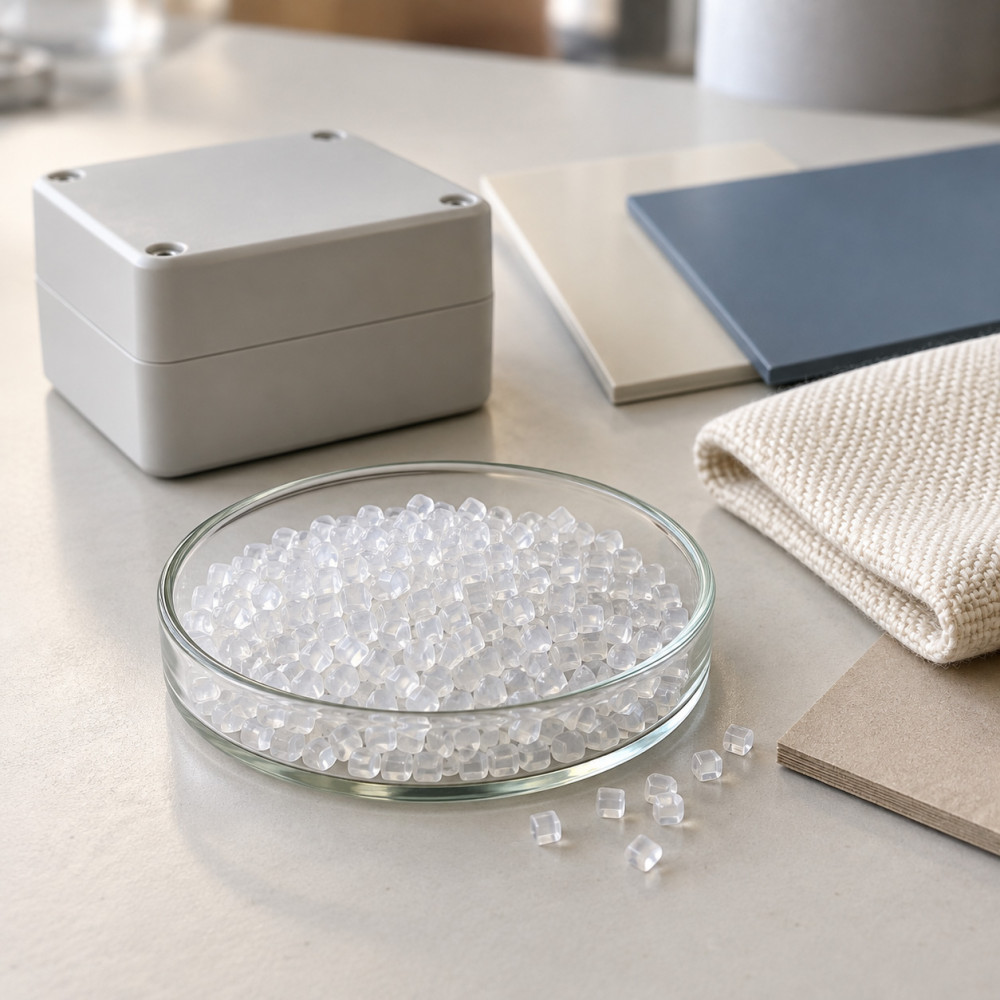
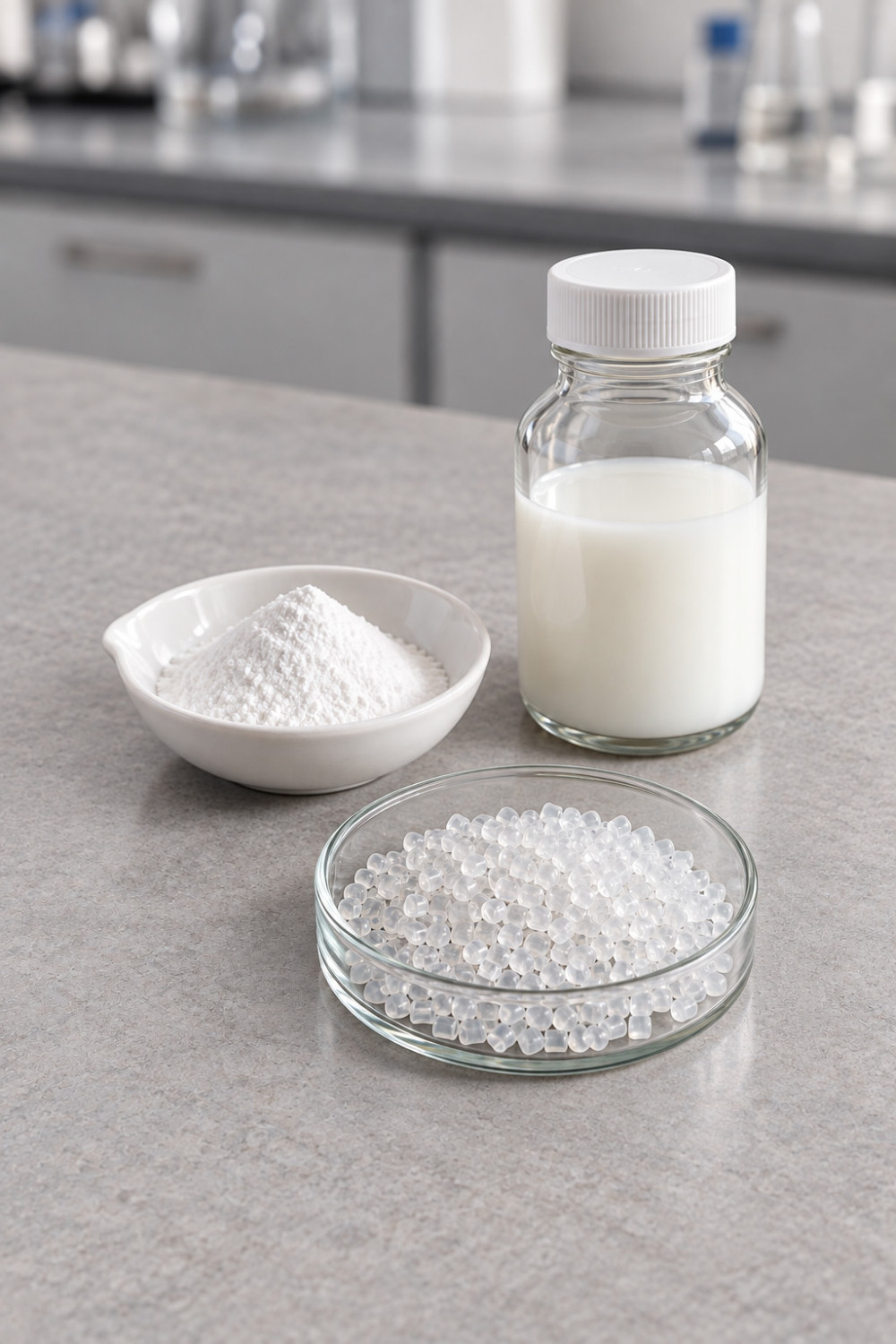
Biomaster is available in masterbatch pellet, powder and liquid formats for suitable applications. The appropriate format depends on your material, manufacturing process and required performance. Addmaster can advise on selection, addition rate and incorporation.

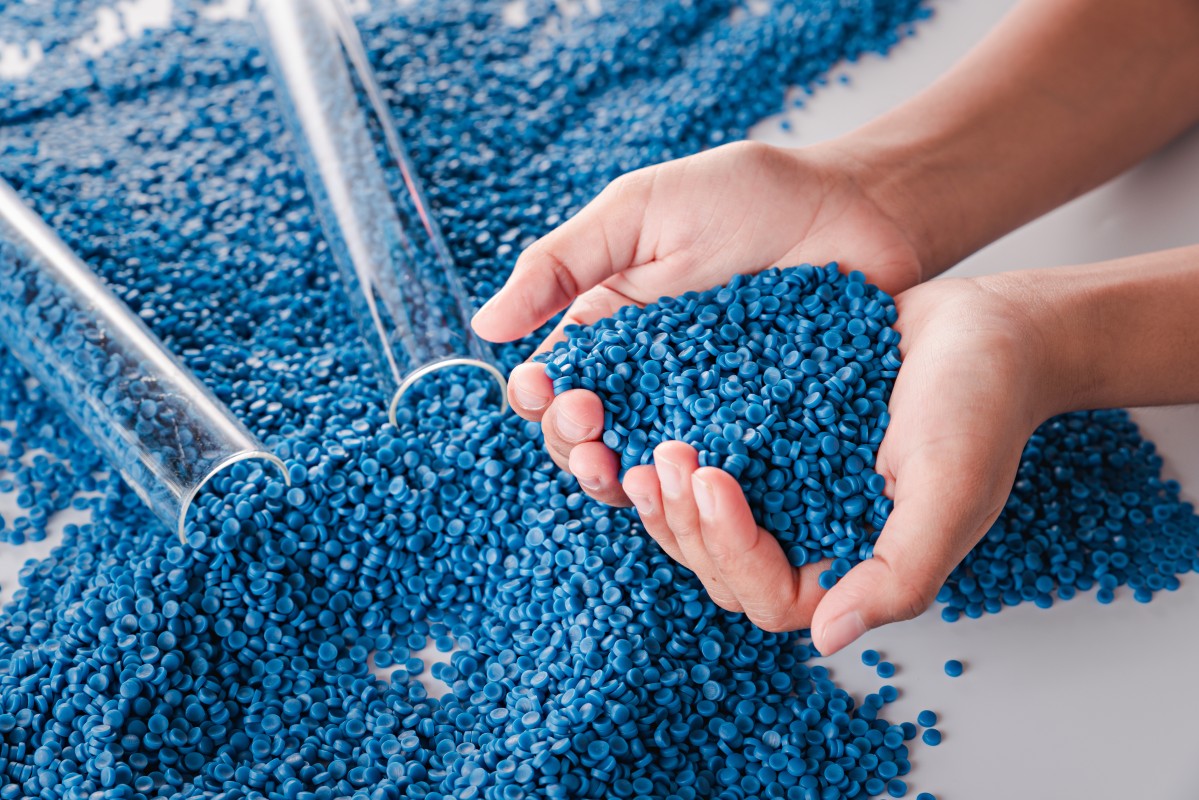
Masterbatch Pellets
An antimicrobial masterbatch contains a concentrated additive dispersed within a polymer carrier and supplied as pellets. These are blended with the base resin at the recommended rate during suitable plastics processing operations.

Selection should consider compatibility with the polymer, processing conditions, dosing equipment and dispersion within the finished material.

Powder Additives
Powder formulations provide an option for introducing antimicrobial functionality into suitable compounding, coating and other manufacturing processes.

The formulation, addition stage and mixing approach should support consistent distribution. Trials should assess dispersion and compatibility alongside the properties and antimicrobial performance of the finished material.

Liquid Additives
Liquid formulations provide an incorporation option for suitable coatings, textile treatments and other liquid-based systems.

Selection should consider compatibility with the formulation, mixing requirements and storage stability. Any drying, curing or subsequent finishing steps should also be included when assessing the treated material.

Applications_for_Biomaster_Antimicrobial_Additives_284573.jpg

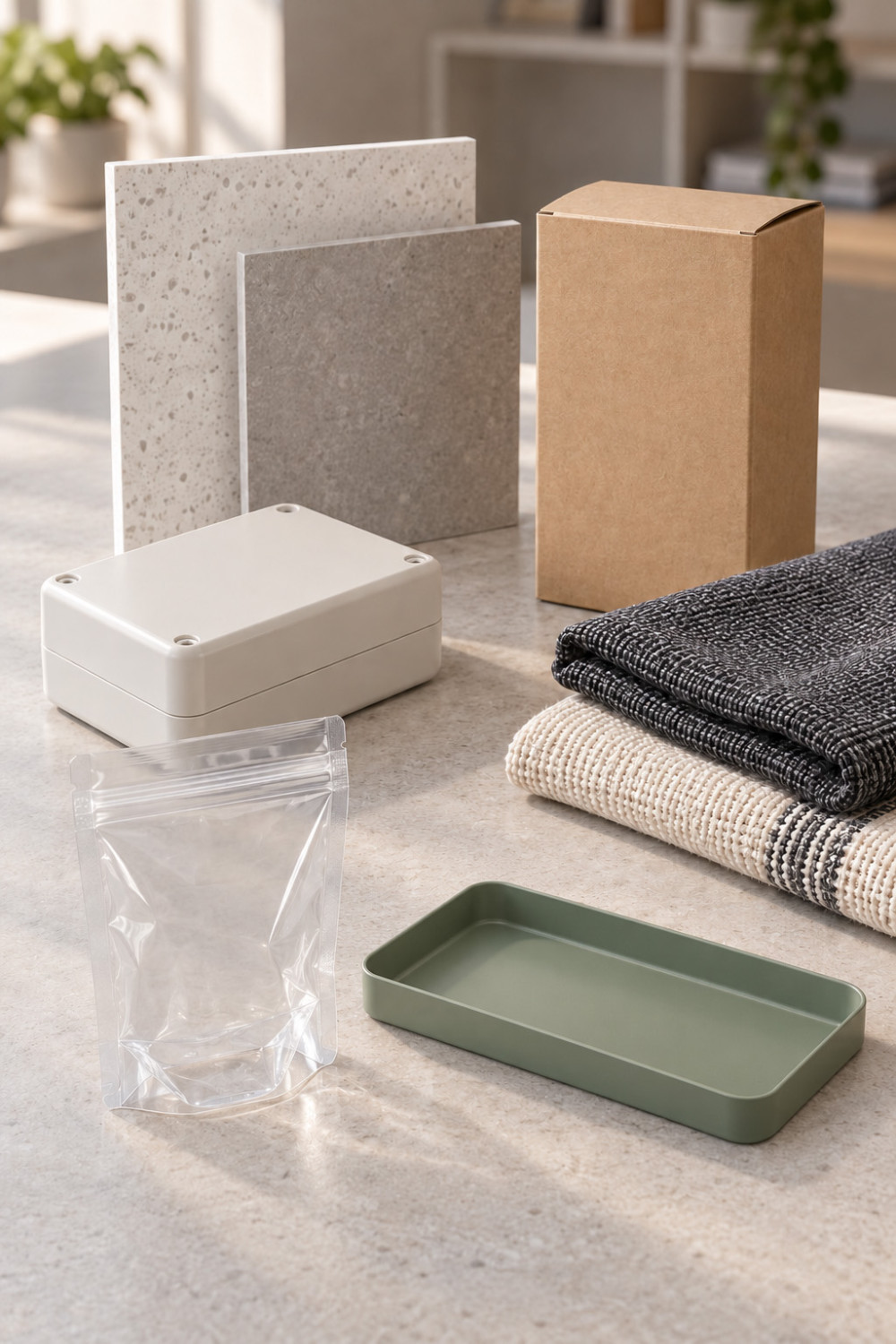
Applications for Biomaster Antimicrobial Additives

Plastics and Polymers
Introduce antimicrobial functionality into suitable moulded, extruded and compounded plastic materials. Selection takes account of the polymer, processing conditions, appearance and physical performance required. Explore antimicrobial plastics

Flexible Films
Develop antimicrobial functionality for a defined film surface or layer. Consider the film construction, thickness, processing route and any printing or lamination steps. Explore antimicrobial flexible films

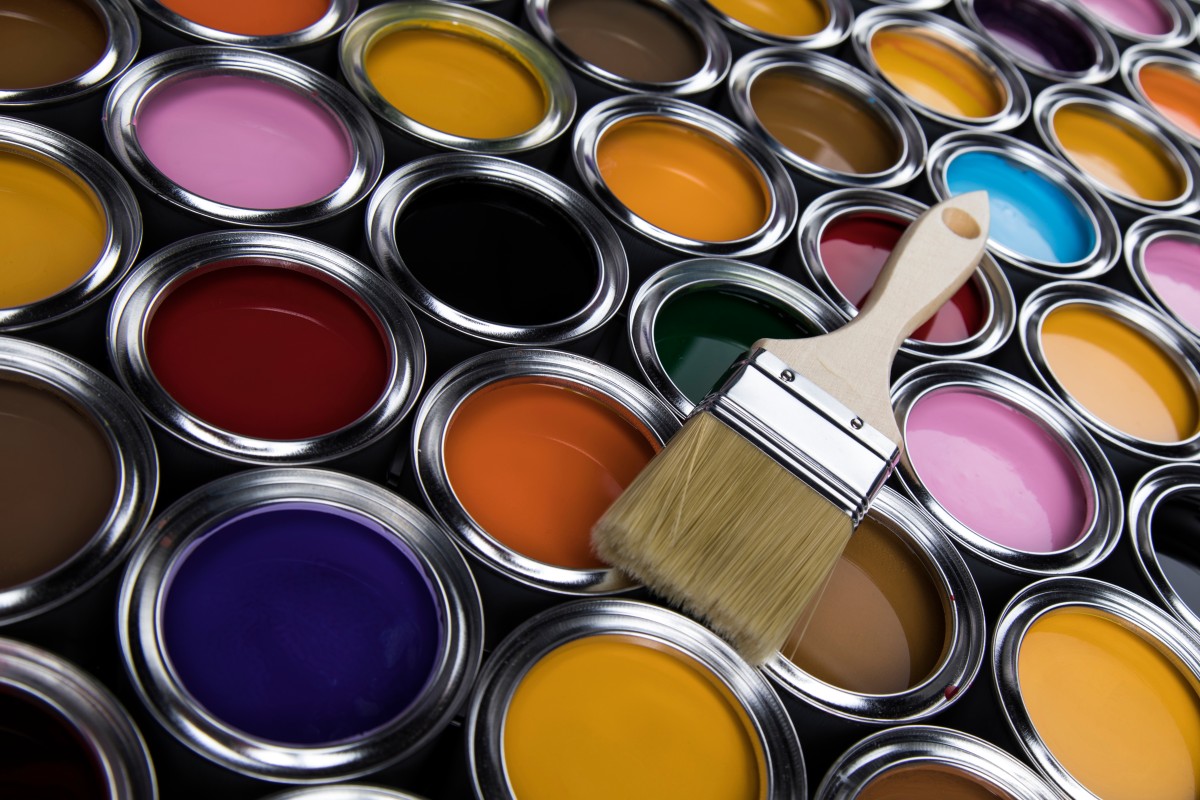
Paints and Coatings
Incorporate an additive into a suitable coating formulation while evaluating finish, adhesion, stability and durability. Testing should reflect the coating as applied and cured on its intended substrate. Explore antimicrobial paints and coatings

Paper and Board
Assess incorporation during papermaking or through an appropriate coating. Fibre composition, absorbency, printing and converting requirements help determine the development approach. Explore antimicrobial paper and board

Surface Materials
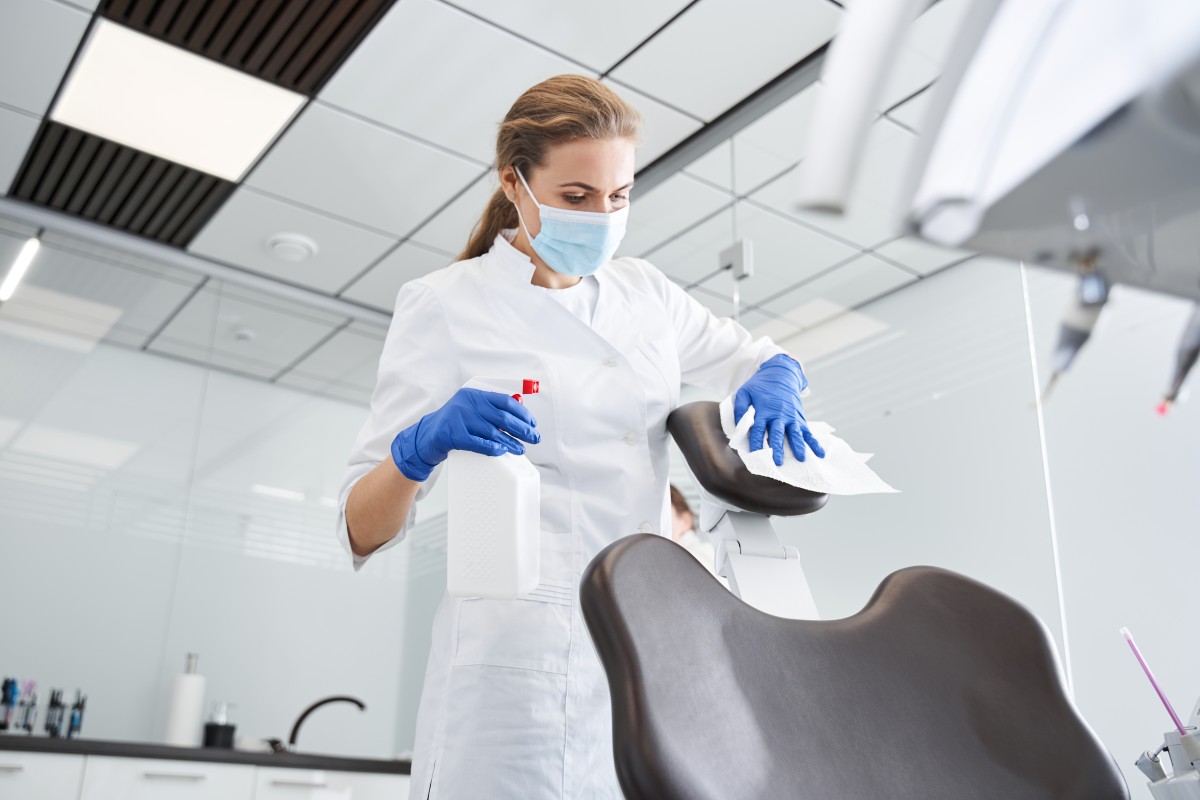
Consider antimicrobial product protection for suitable panels, furniture components, work surfaces and other manufactured surfaces. Define the exposed material and include any decorative or protective layers. Explore antimicrobial surfaces

Textiles and Fabrics
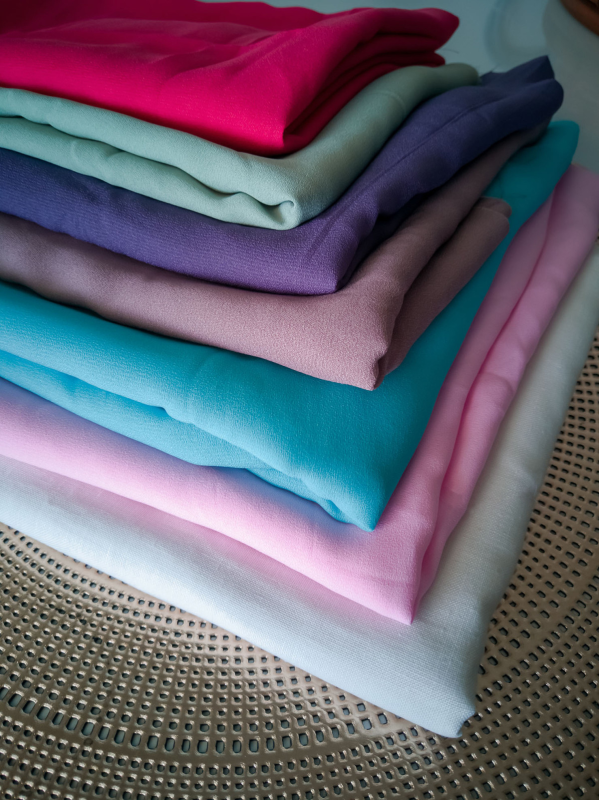
Explore incorporation during suitable fibre production or through a fabric treatment. Fibre composition, fabric construction and the intended care regime are central to selection and testing. Explore antimicrobial textiles and fabrics

biomaster_technology_in_action_839933.png

How Biomaster Silver-Ion Technology Works

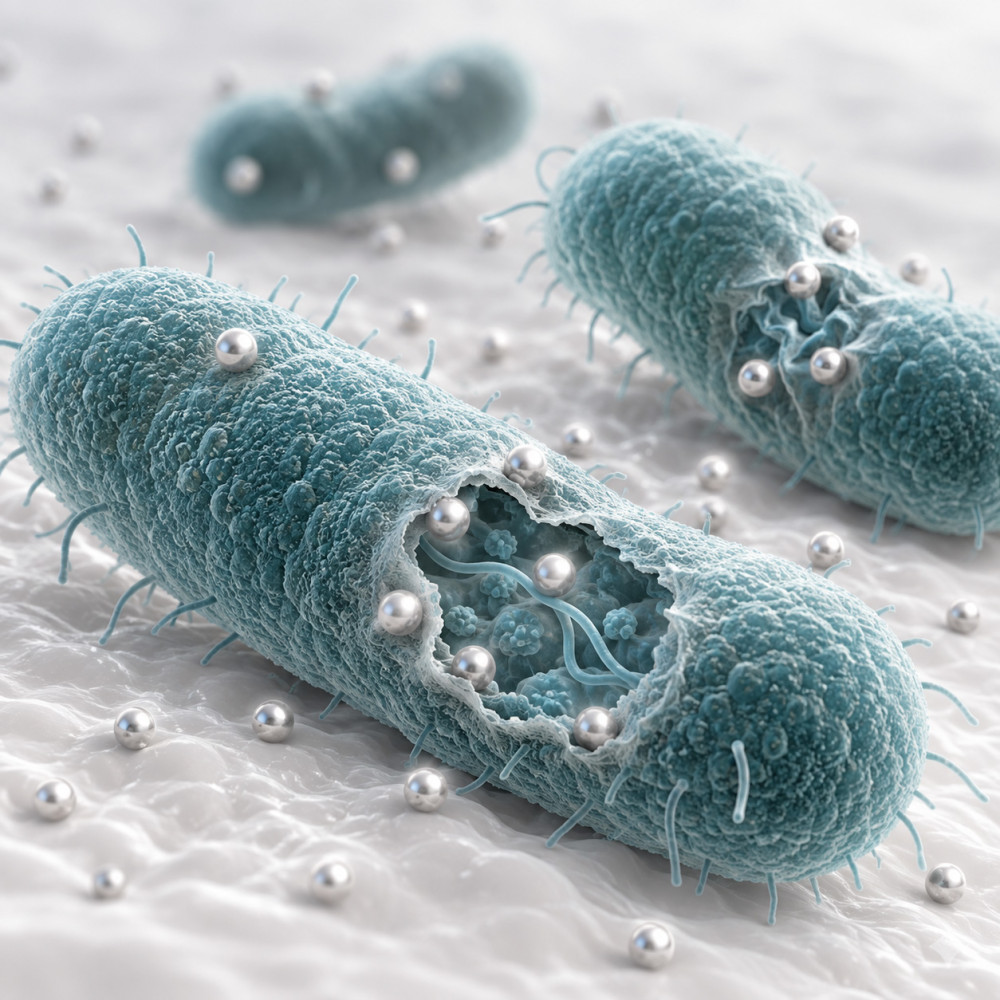
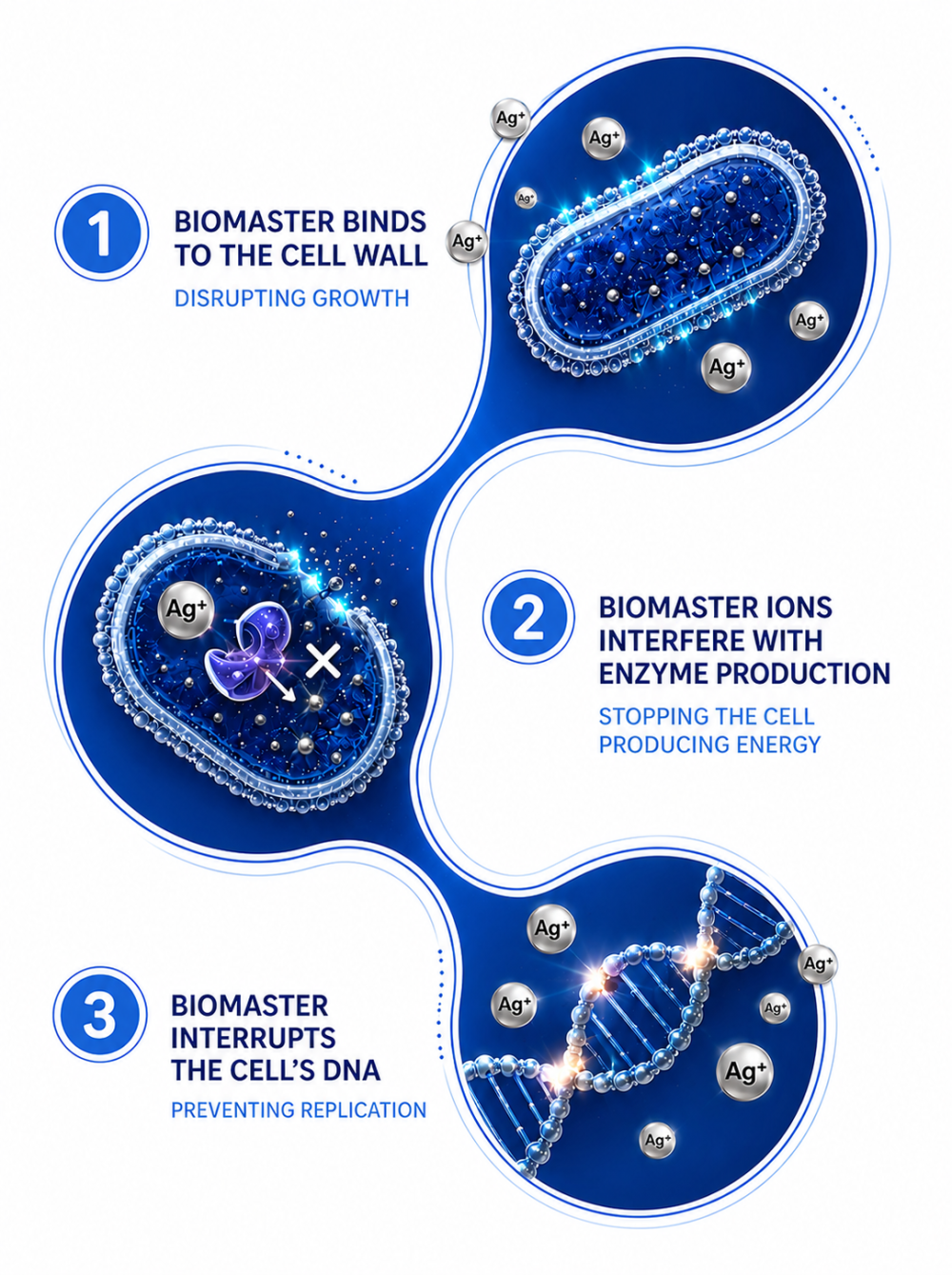
Biomaster uses silver-ion technology to interfere with essential functions in susceptible microbial cells. Silver ions can disrupt cell membranes, affect enzymes involved in energy production and interfere with replication. These actions inhibit microbial growth on the treated material.

The additive can be incorporated into a suitable material during manufacture or introduced through an appropriate coating or treatment. The formulation and incorporation method need to suit the application, so antimicrobial functionality is considered alongside the product’s appearance, physical properties and manufacturing requirements.

Performance depends on the complete material system. The additive concentration, its distribution and the characteristics of the exposed surface can influence antimicrobial activity. Additional coatings, decorative layers or finishing processes should therefore be included when assessing the finished construction.

For a manufacturer, the practical question is how the technology performs in the proposed product. Testing representative samples helps establish activity against the selected organisms under defined conditions. Where performance is expected after cleaning, laundering or wear, the evaluation should include relevant exposure before further testing.

This connects the technology with evidence for the finished application and helps define appropriate product claims. Biomaster provides antimicrobial product protection; it does not make a surface sterile or replace normal cleaning, disinfection or hygiene practices.

Biomaster_from_brief_to_manufacturing_trials_83666578.jpg

From Initial Brief to Manufacturing Trials

Addmaster helps you work through the technical and commercial questions involved in introducing an antimicrobial additive, with guidance shaped around your material, manufacturing process and product objectives.

Define the Application

Start with the product, material and surface requiring treatment. Explain why microbial growth matters, how the product will be used and where it will be sold. This establishes the purpose of the treatment, the performance required and the evidence the project needs.

Select and Trial the Additive

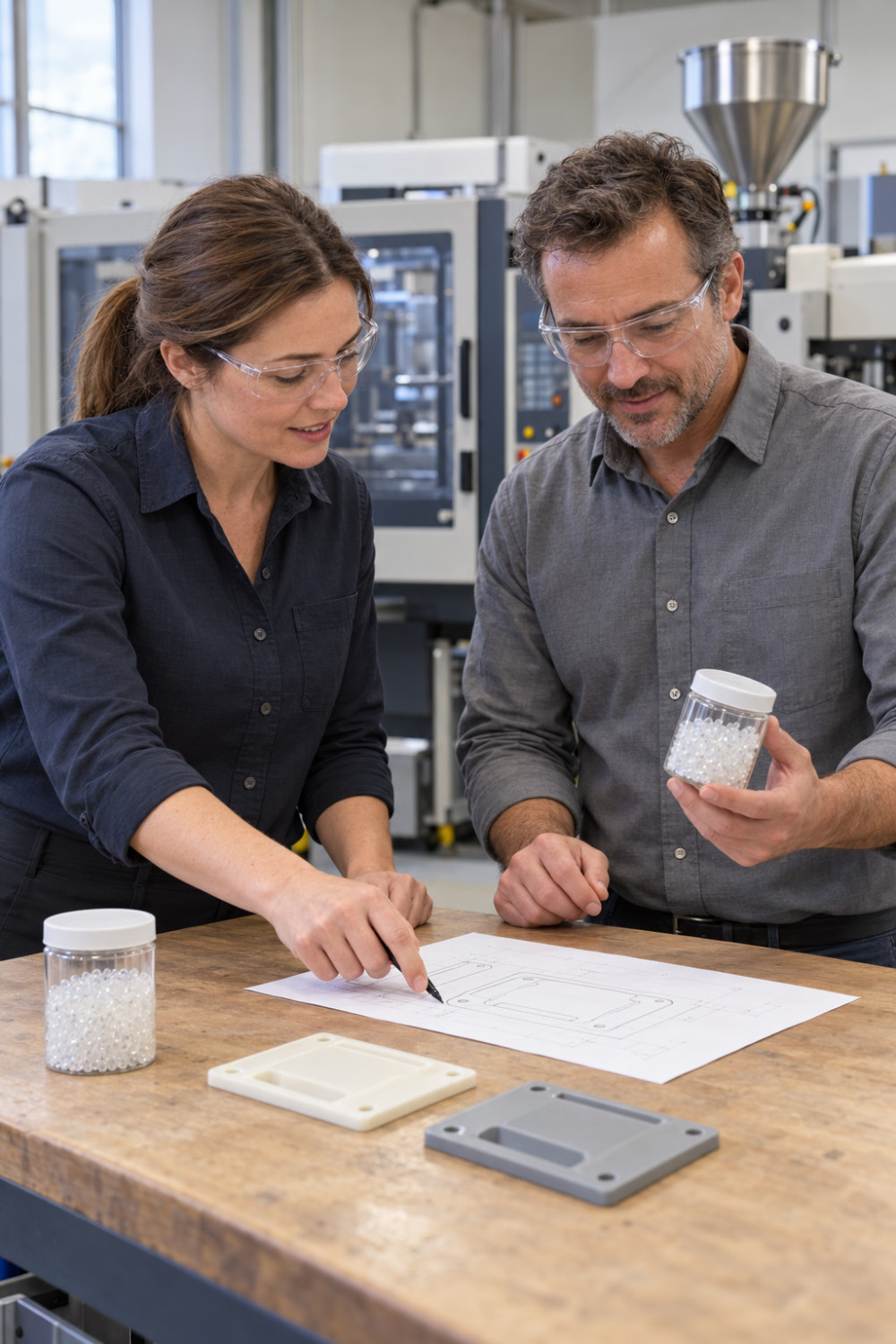
Our team can advise on additive format, addition rate and incorporation. Trials should assess processing behaviour, dispersion, appearance and relevant physical properties alongside antimicrobial activity, with findings used to refine the formulation where necessary.

Evaluate the Finished Material

Prepare samples that represent the intended production process and complete product construction, including any coatings or finishing steps. Where relevant, include cleaning, laundering, wear or ageing in the assessment to reflect expected conditions of use.

Prepare for Launch

Use the results to define accurate product information. Addmaster can support appropriate claims, customer-facing explanations and co-branding, helping your team communicate the role of the treated material and the evidence behind its benefits.


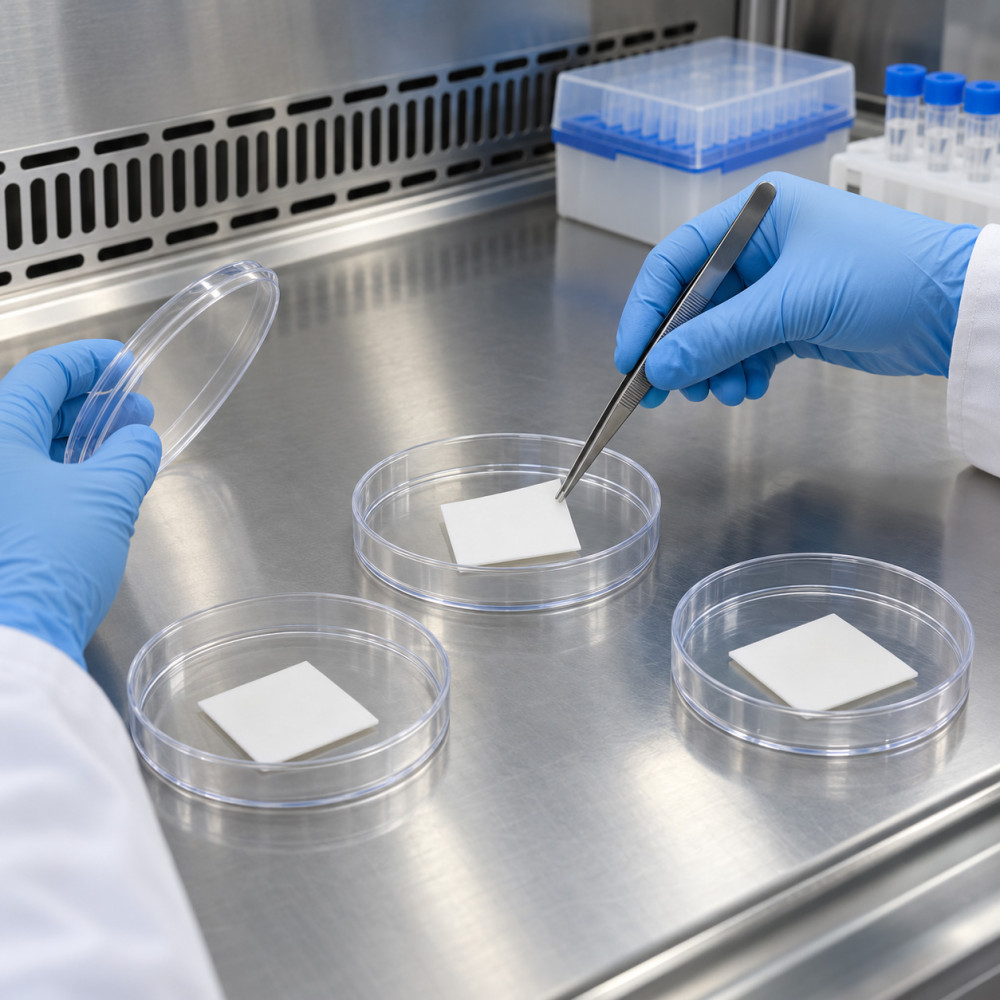
Testing_antimicrobial_performance_00000019.jpg

Testing Antimicrobial Performance

Antimicrobial performance should be demonstrated in representative samples of the finished material. Results for an additive or a different formulation should not automatically be applied to your product.

The test programme should reflect the material, target organisms and intended claims. Non-porous plastics, absorbent paper and washable textiles present different testing questions, so the method and specimen preparation should be agreed with the laboratory.

Where practical, compare the treated material with a matching untreated version. Include relevant durability assessments where performance is expected after cleaning, laundering, abrasion or environmental exposure.

Laboratory results describe performance under defined conditions. Antibacterial activity alone does not establish odour control, longer service life or prevention of infection; those are separate claims requiring appropriate evidence.

Why_work_with_addmaster_99494949403.jpg

Why Develop Your Product with Addmaster?

Choosing an antimicrobial additive supplier also means choosing the support behind the material. Addmaster brings technical, manufacturing, regulatory and marketing expertise together to help manufacturers progress from an initial concept to a supported product proposition.

Technical and Manufacturing Support
We help you consider additive selection, incorporation and trial requirements around your process. Our starting point is what your finished product needs to achieve.

Regulatory and Claims Guidance
The intended application and sales markets influence the requirements for treated products. We can help you consider the relevant questions early and develop messaging that reflects the evidence available.

Marketing and Co-Branding Support
Our support extends to explaining the technology to your customers. This can include product messaging, marketing materials and appropriate use of Biomaster branding.

No Licence Fees
Addmaster does not charge licence fees for using Biomaster technology. Speak to our team about the additive supply and development requirements for your project.

Straightforward Advice
If antimicrobial treatment is unlikely to add value to your application, we will tell you. Our focus is a useful product feature that fits your technical requirements and commercial objectives.

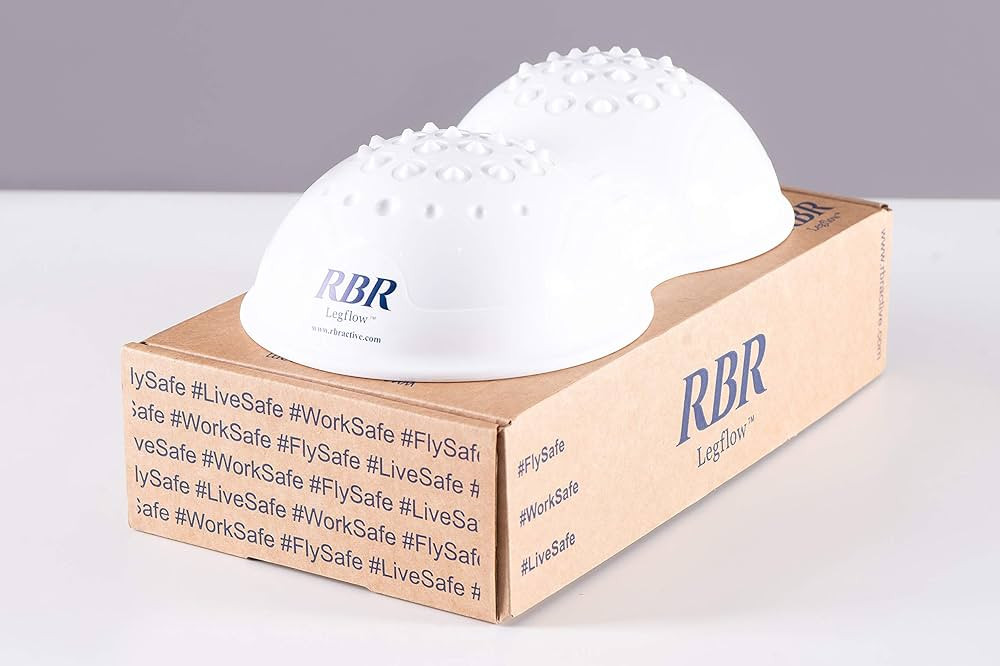
addmaster_rbrlegflow.jpg

Biomaster in Customer Products

Explore how manufacturers and brands have incorporated Biomaster into their products. Our case studies provide examples of the materials, applications and development objectives behind different projects.

Each application has its own requirements. Use these examples as a starting point for discussing what could be relevant to your product.

Biomaster_antimicrobial_plastics_FAQ_944422.png

Frequently asked questions

Antibacterial additives target bacteria. Antimicrobial is a broader term covering activity against microorganisms. The organisms controlled and the claims made should reflect the formulation and test evidence for the treated material.

Yes, it can be considered for future production of an existing product. The material, manufacturing route and required performance need to be reviewed, followed by appropriate trials and testing.

The format depends on your material and process. Masterbatch, powder and liquid formulations serve different manufacturing requirements. Share your formulation and production details so Addmaster can advise on a suitable option.

There is no single addition rate for every application. The recommendation depends on the material, incorporation process and target performance, with the proposed rate evaluated in representative finished samples.

Appearance and physical performance form part of the development brief. Trials should assess relevant properties such as colour, clarity, texture, strength or flexibility against your existing specification.

Durability depends on the treated material and its conditions of use. Claims about a particular service life should be supported by evidence reflecting relevant cleaning, wear and environmental exposure.

The cost depends on the selected formulation, addition rate and supply requirements. Share your application and anticipated production volume so our team can discuss a suitable recommendation and quotation. Addmaster does not charge technology licence fees.

Contact our team to discuss your application and trial requirements. We can advise on a suitable formulation, sample requirements and the steps needed to assess performance before progressing to commercial production.

These applications require assessment of the specific additive, finished material, intended use and sales market. Discuss the requirements early in development. Antimicrobial activity alone does not establish food-contact suitability or a medical benefit.

Start with your product, material, manufacturing process and intended market. Explain which component needs treatment and what you want it to achieve. If some details are still undecided, our team can help identify the questions to address next.

More information

  • Biomaster technology

    Biomaster pioneered the use of silver based antimicrobial additives and is now the recognised leader in antibacterial additive technology.

    Find Out More
  • Biomaster brochure

    Request a Biomaster brochure to find out more information on how our additive technology could add value to your products.

    Request a Brochure
  • Biomaster downloads

    We have a range of Biomaster technical data sheets, clinical studies, and case studies ready for downloading.

    Go To Downloads

Find out how Biomaster can add value and performance to your products

Get in touch today

Solutions we offer

  • Flexible Films
  • Paints & Coatings
  • Paper & Board
  • Polymers and Plastics
  • Surfaces
  • Textiles & Fabrics

Biomaster case studies

View our case studies
  • Tommee Tippee
    • Biomaster
    Tommee Tippee
  • Dyson
    • Biomaster
    Dyson
  • OPRO
    • Biomaster
    • Scentmaster
    OPRO

Latest Biomaster news

Read more news
  • NIO Integrates Biomaster Technology into ES9 Premium Vehicle Seating
    biomaster news
  • Biomaster Protection for Decoded
    biomaster news
  • DDC Launches Pulpmatic® Flex
    biomaster news

Find out how Biomaster can add value and performance to your products

Get in touch today