antimicrobial_antibacterial_plastics_biomaster_397863.png

Antimicrobial Additives for Plastics and Polymers

Build antimicrobial product protection into your next plastic product with Biomaster from Addmaster. We help manufacturers and brands select and incorporate additives that inhibit microbial growth on the treated material, with technical guidance, testing support and advice on communicating the finished product’s benefits.

Whether you are developing a new component or improving an existing range, the starting point is your application: the polymer, the production process and what the finished product needs to achieve.

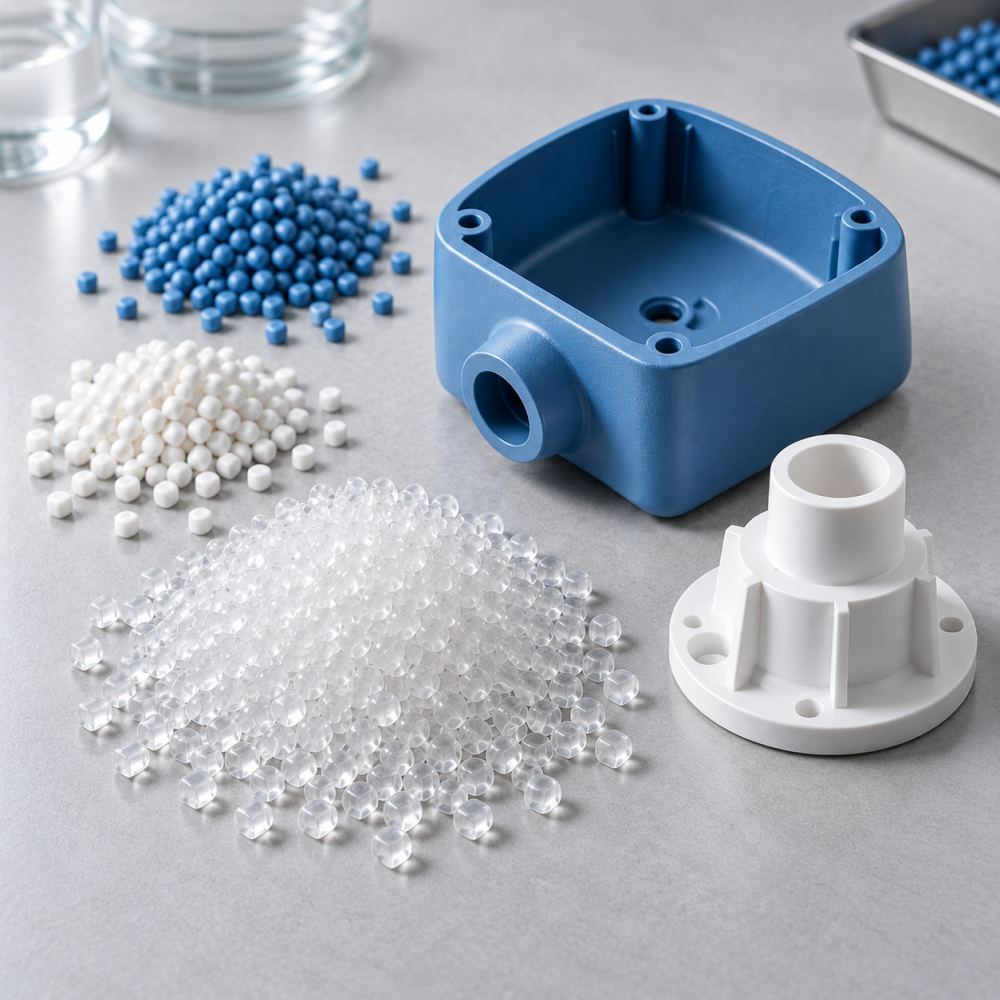
Plastic pellets beside blue and white moulded polymer components.png

What are Antimicrobial Plastics

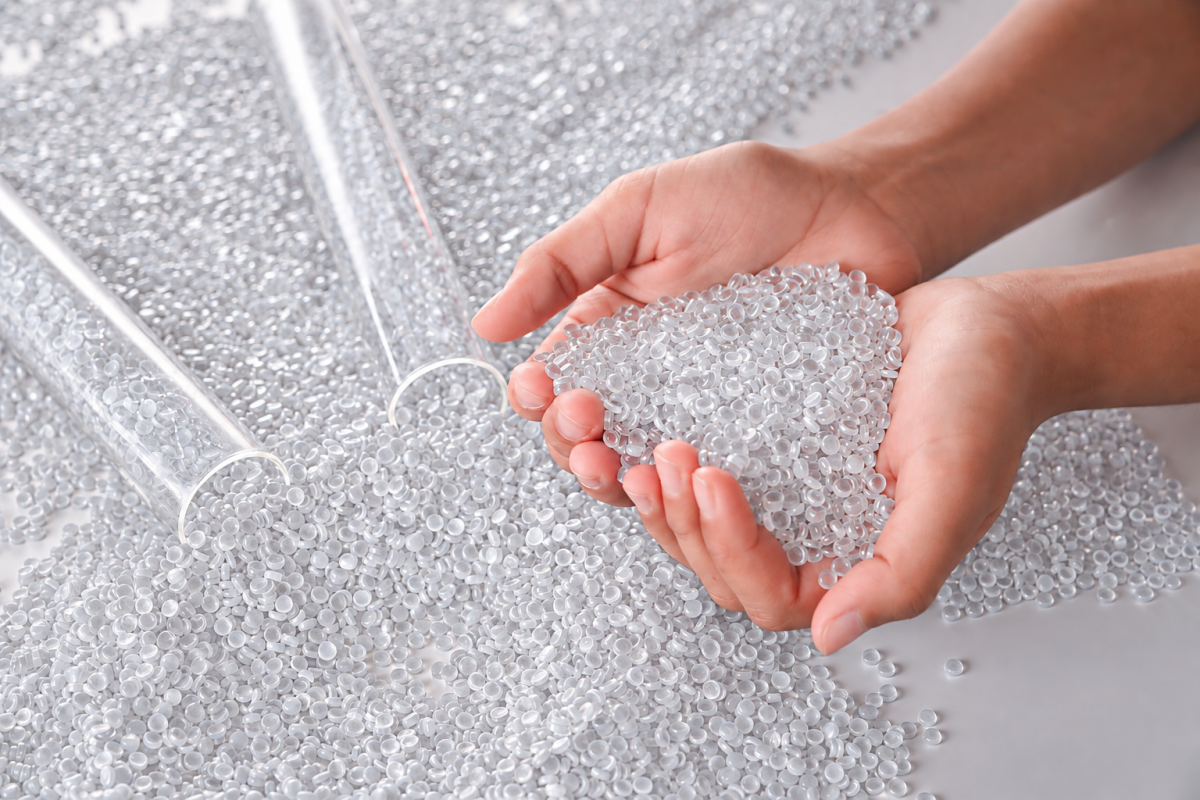
Antimicrobial plastics are plastic materials treated to inhibit the growth of microorganisms on their surfaces. One way to create them is to incorporate an antimicrobial additive into the polymer during manufacturing, making product protection part of the material itself.

For manufacturers, this creates an opportunity to add a measurable function to an otherwise familiar material. Where microbial growth contributes to unwanted odours, staining or deterioration, an appropriately selected and tested treatment can help address those specific problems.

Antimicrobial and Antibacterial Plastics

Antibacterial plastics specifically target bacteria. Antimicrobial is a broader term that can include activity against bacteria and fungi, including mould.

The organisms controlled depend on the formulation and the evidence for the treated material. An antibacterial test result does not automatically demonstrate antifungal or antiviral performance.

biomaster_technology_in_action_839933.png

How Biomaster Works in Plastics and Polymers

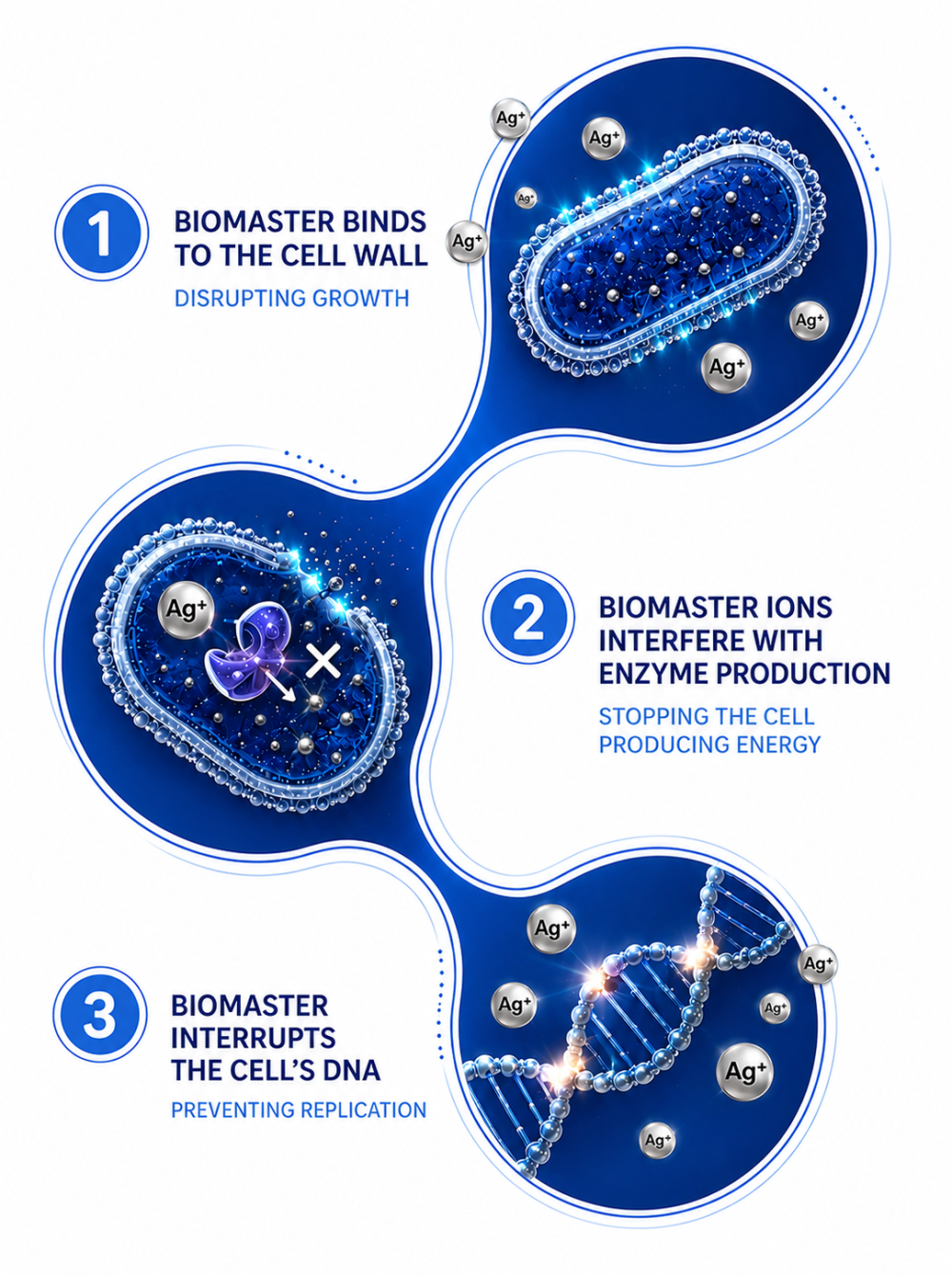
Biomaster uses silver-ion technology to interfere with essential functions in susceptible microbial cells. Silver ions can disrupt cell membranes, affect the enzymes involved in energy production, and interfere with replication. By acting at several sites within the cell, the technology inhibits microbial growth on the treated plastic surface.

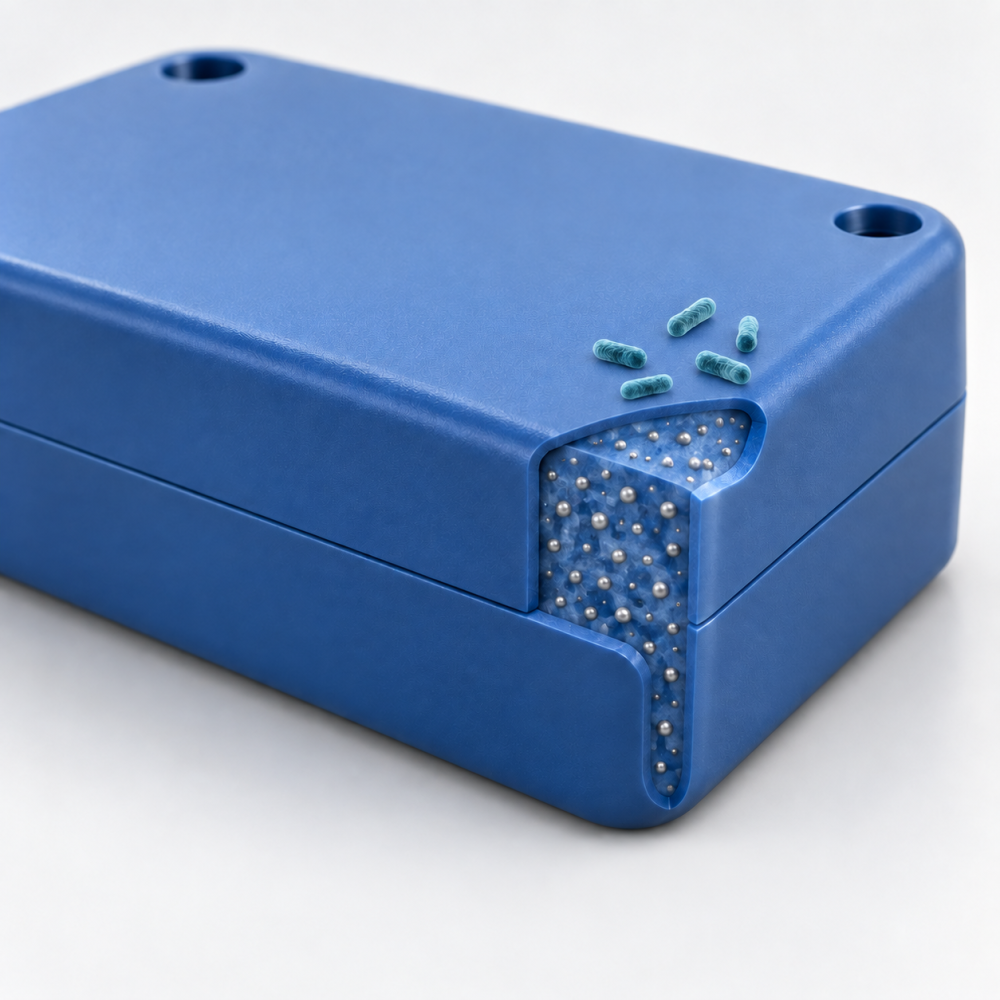
During manufacture, the antimicrobial additive is incorporated into the polymer and distributed within the material. This makes antimicrobial product protection an integral feature of the plastic. The formulation and incorporation process need to suit the polymer, manufacturing conditions and intended application, with performance assessed in representative samples of the treated material.

For manufacturers, this approach allows antimicrobial functionality to be considered alongside the appearance, physical properties and practical requirements of the finished component. The organisms controlled and the claims made should reflect the evidence for that application.

Biomaster protects the treated product. It does not make the plastic sterile or replace normal cleaning, disinfection and hygiene practices.

Choosing_an_antimicrobial_additive_plaques_Biomaster_38302.png

Choosing an Additive

A successful antimicrobial plastic starts with a formulation suited to the complete product specification. The polymer grade, other additives, processing conditions and intended use all need to be considered alongside antimicrobial performance.

Tell us which material you use, whether that is polypropylene, polyethylene, ABS, PVC, an engineering polymer or another polymer system. We can assess your requirements and advise on the next development steps. Suitability is established for the specific formulation and application.

Material and appearance
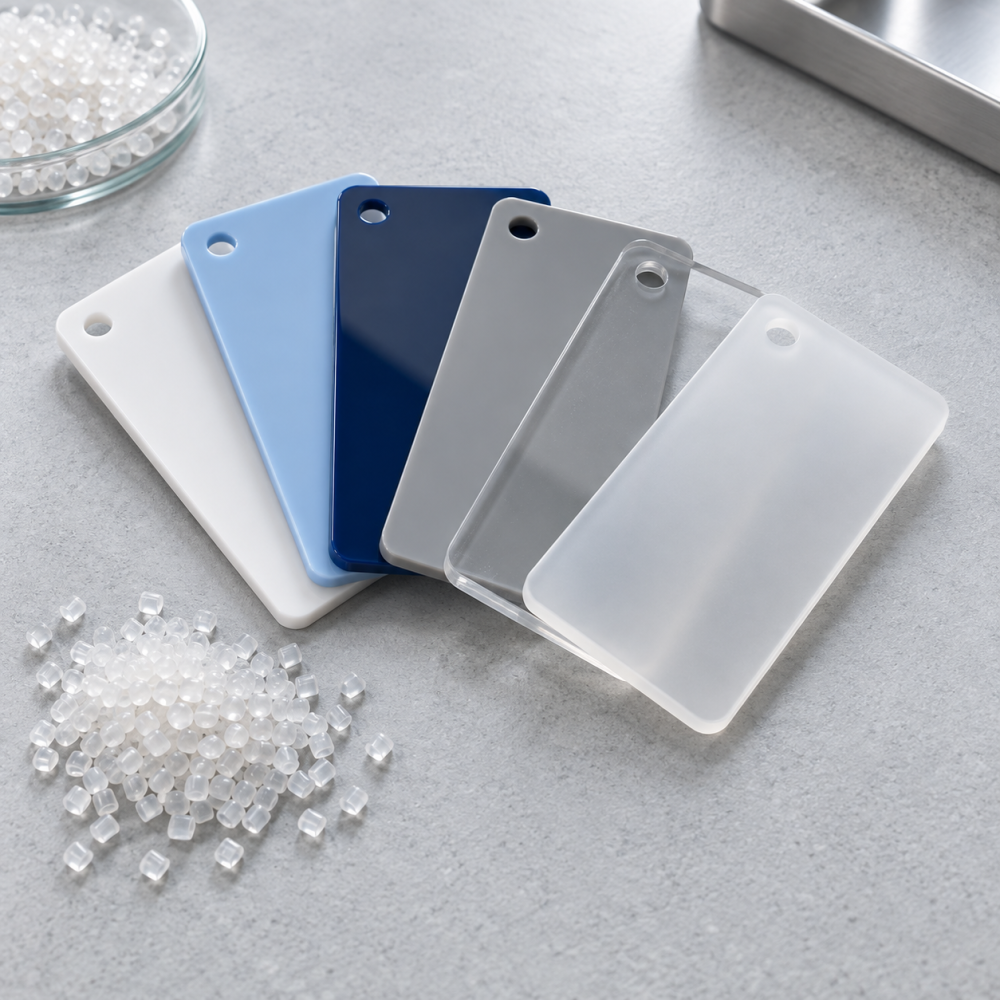
Share the resin grade, colour, transparency requirements and any fillers, pigments or other functional additives. If you use recycled content or a polymer blend, include those details so the complete formulation can be considered.

Manufacturing process
Explain how the product is made and where an additive could be introduced. Relevant information includes the processing temperature, dosing equipment and whether you are compounding material, injection moulding, extruding or blow moulding.

Conditions of use
Describe how the product will be handled, cleaned and stored. Exposure to moisture, heat, abrasion and cleaning chemicals helps define the questions that production trials and testing need to answer.

How_antimicrobial_additives_are_incorporated_48292.png

How Antimicrobial Additives are Incorporated

For plastic processing, Biomaster is available in masterbatch and powder formulations. The appropriate format and addition rate depend on the material, the manufacturing route and the required performance.

An antimicrobial masterbatch is a concentrated formulation in a polymer carrier, commonly supplied as pellets. It is mixed with the base resin at the recommended rate during processing. Powder formulations can also be used in suitable compounding and manufacturing applications.

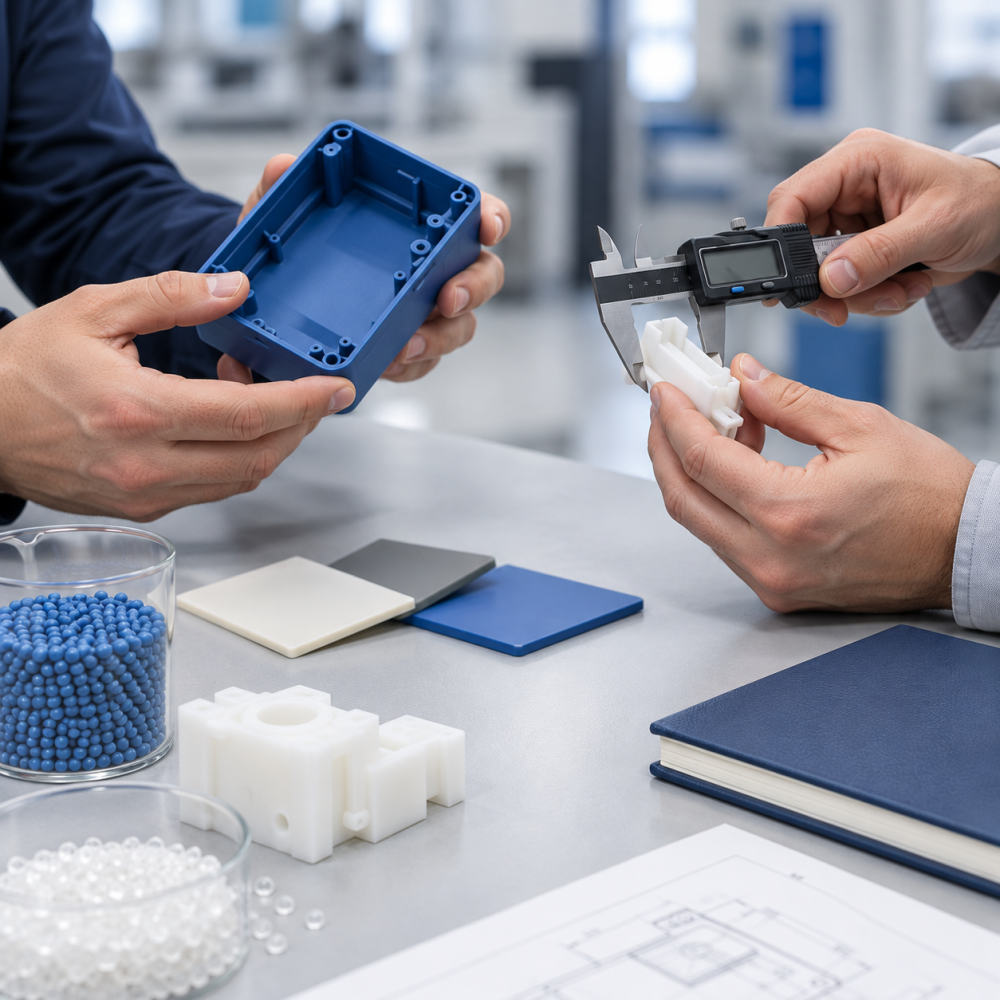
The aim is consistent incorporation throughout the treated material. Production trials provide the opportunity to assess dosing, dispersion, appearance and the finished component before progressing to routine manufacture.

From_brief_to_production_887373.png

From Product Brief to Production

Introducing an antimicrobial additive works best when material development, testing and commercial requirements are considered together.

Define the application
Start with the product, the surface to be treated and the reason antimicrobial performance is relevant. Agree which organisms matter, where the product will be sold and what evidence will be needed to support its intended positioning.

Select and trial the formulation
Work with our team on the additive format and incorporation approach. Evaluate trial parts against your product specification, considering physical properties and appearance alongside antimicrobial activity.

Test the treated material
Assess representative samples using methods appropriate to the material and the target organisms. Where required, plan additional evaluation after cleaning, ageing or wear to investigate performance under conditions relevant to the application.

Prepare for launch
Use the resulting evidence to define accurate product information. Addmaster can help you to develop suitable messaging and marketing materials.

Testing_antimicrobial_performance_in_plastics_8993873.png

Testing Antimicrobial Performance in Plastics

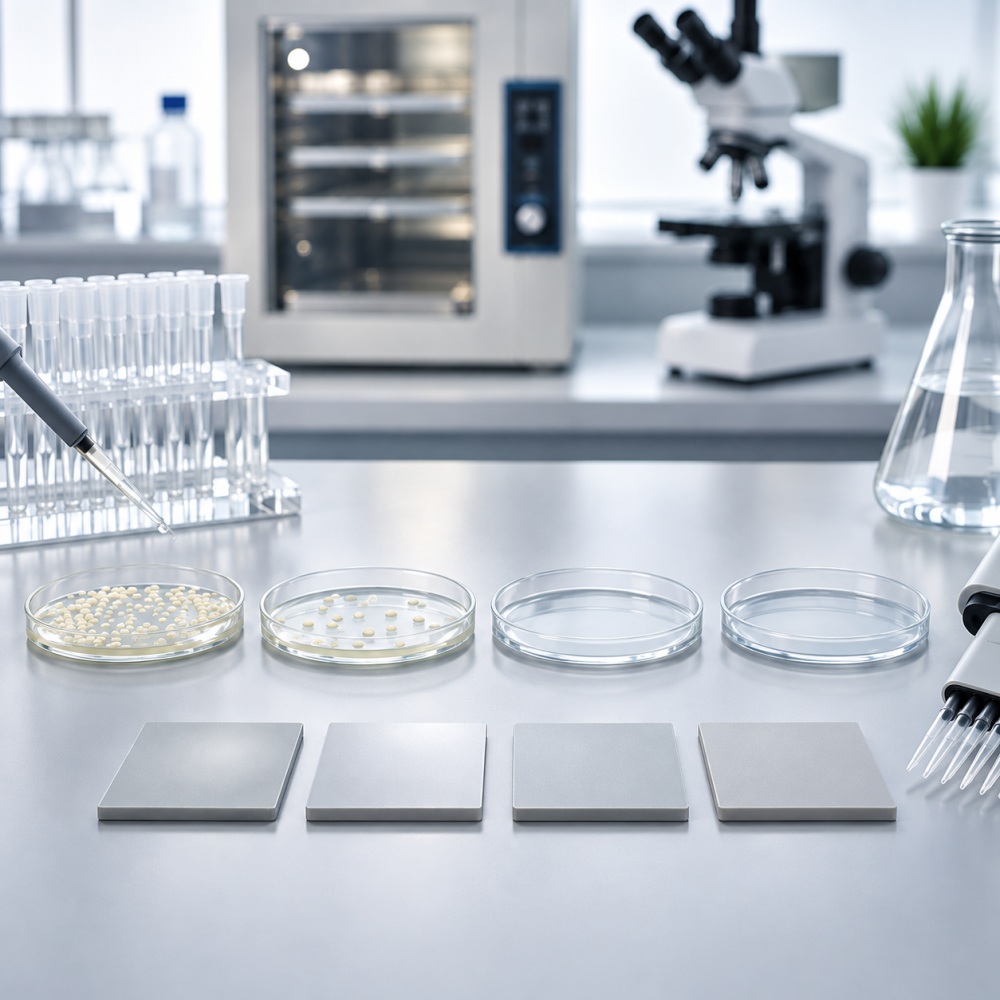
Antimicrobial performance should be demonstrated in the treated material. A result from one formulation or application should not be assumed to apply to every finished product.

ISO 22196 is a recognised method for evaluating antibacterial activity on treated plastics and other non-porous surfaces. The results describe performance under the specified laboratory conditions. The method does not, by itself, establish prevention of odour or material deterioration.

Choose a test programme around the claims you need to support. Antibacterial activity, resistance to fungal growth and durability after repeated cleaning are different questions and may require different assessments. Laboratory efficacy should also be distinguished from performance in a particular use environment.

Why_choose_biomaster_4946665.png

Why develop your antimicrobial plastic with Addmaster

Founded in Stafford in 2000 and part of Polygiene Group, Addmaster brings more than 25 years of additive development experience to manufacturers and brands. Our role extends from supplying the additive to helping you introduce it successfully into a finished product.

You can draw on technical and manufacturing guidance, support with testing, regulatory assistance and marketing expertise. That connects the material specification with the evidence and communication needed to take the product to market.

We also give straightforward advice on suitability. If an additive is unlikely to benefit your application, we will tell you. The objective is a useful, substantiated product feature that fits your commercial and technical requirements.

Biomaster_antimicrobial_plastics_FAQ_944422.png

Frequently Asked Questions

It can be considered for future production of an existing design, subject to assessment of the material, process and required performance. For incorporated plastic applications, the additive is introduced during manufacture rather than applied by the end user to an already finished item.

The formulation should be selected around your appearance and performance requirements. Colour, clarity, surface finish and relevant physical properties should be checked in production trials, particularly where the product has demanding specifications.

There is no single rate suitable for every plastic product. Addmaster recommends a formulation and addition rate for the application, with performance evaluated in the treated material. Share your resin grade, manufacturing process and target performance to begin the assessment.

Biomaster is incorporated into the material and is designed to provide long-lasting product protection. A claim about a particular service life needs evidence relevant to the finished material and its expected cleaning, wear and environmental exposure.

These applications need assessment of the specific additive, material, intended contact and market requirements. Discuss the application with Addmaster early in development. Antimicrobial performance alone does not establish food-contact suitability or a medical benefit.

Yes. Follow the product’s normal cleaning instructions. Antimicrobial product protection acts on susceptible microorganisms on the treated surface; it does not remove dirt or replace cleaning, disinfection or appropriate handling.

Recyclability depends on the complete product, its formulation and the available collection and reprocessing system. It should be assessed separately. Adding antimicrobial functionality is not, on its own, evidence of recyclability or a lower environmental impact.

Our polymers and plastics additive technologies

  • Incorporate antimicrobial functionality into your plastic product during manufacture. Biomaster inhibits the growth of susceptible microorganisms on the treated material, with formulation advice and testing support tailored to your polymer, process and intended application.

    Performance claims should reflect evidence for the finished material. Biomaster complements normal cleaning and hygiene practices.

  • Build a discreet means of identifying genuine products into your plastic material. Verimaster uses covert markers that can be detected with specialist equipment to support product authentication and brand protection.

    Our team can help you assess the marker and detection approach for your product and verification requirements.

  • Add a fragrance to your plastic product as part of the manufacturing process. Scentmaster fragrance masterbatches offer a range of scent options for suitable materials and applications.

    Discuss your preferred fragrance, polymer and processing conditions with our team to establish an appropriate formulation and trial programme.

  • Develop an additive solution around a specific product requirement. Masterpiece brings together Addmaster’s formulation and manufacturing expertise to explore functions that standard additives may not provide.

    Share your material, production process and performance objectives so we can assess feasibility and define the next development steps.

Antimicrobial Polymers & Plastics case studies

View our case studies
  • Static Healthcare
    • Biomaster
    Static Healthcare
  • OPRO
    • Biomaster
    • Scentmaster
    OPRO
  • Brinsea
    • Biomaster
    Brinsea

Find out how Addmaster can add value and performance to your products

Get in Touch