Antimicrobial_flexible_films_biomaster_38065546.png

Antimicrobial Additives for flexible films

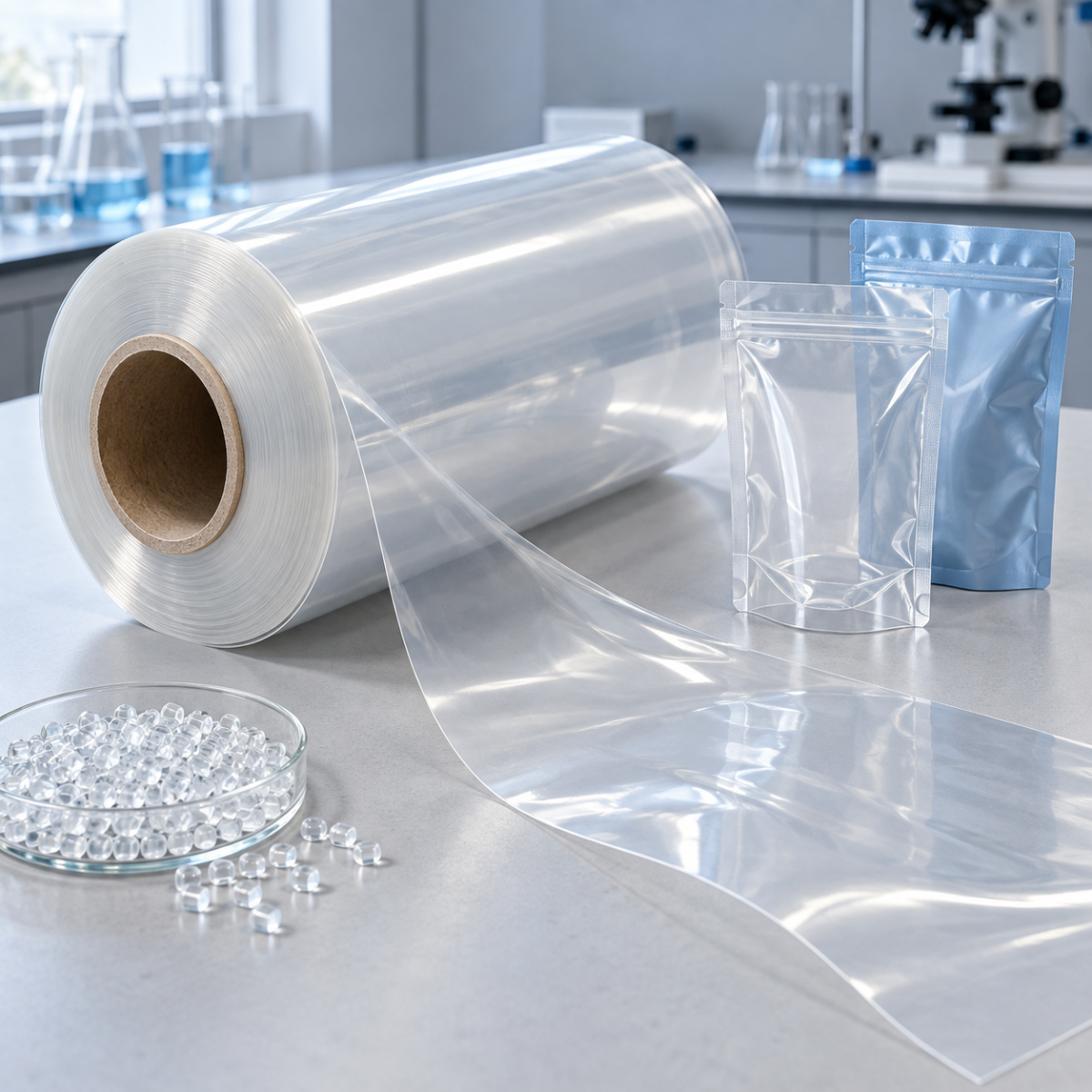
Build antimicrobial product protection into your next flexible film with Biomaster from Addmaster. We help film manufacturers, converters and brands assess how antimicrobial additives can be incorporated into suitable polymer films to inhibit microbial growth on the treated surface.

Whether you are developing a bag, liner, pouch or protective film, the starting point is your material and its intended use. Our team can support additive selection, manufacturing trials and performance testing, helping you develop a film that meets its functional specification and offers a substantiated point of difference.

antimicrobial_flexible_films_biomaster_399999111.jpg

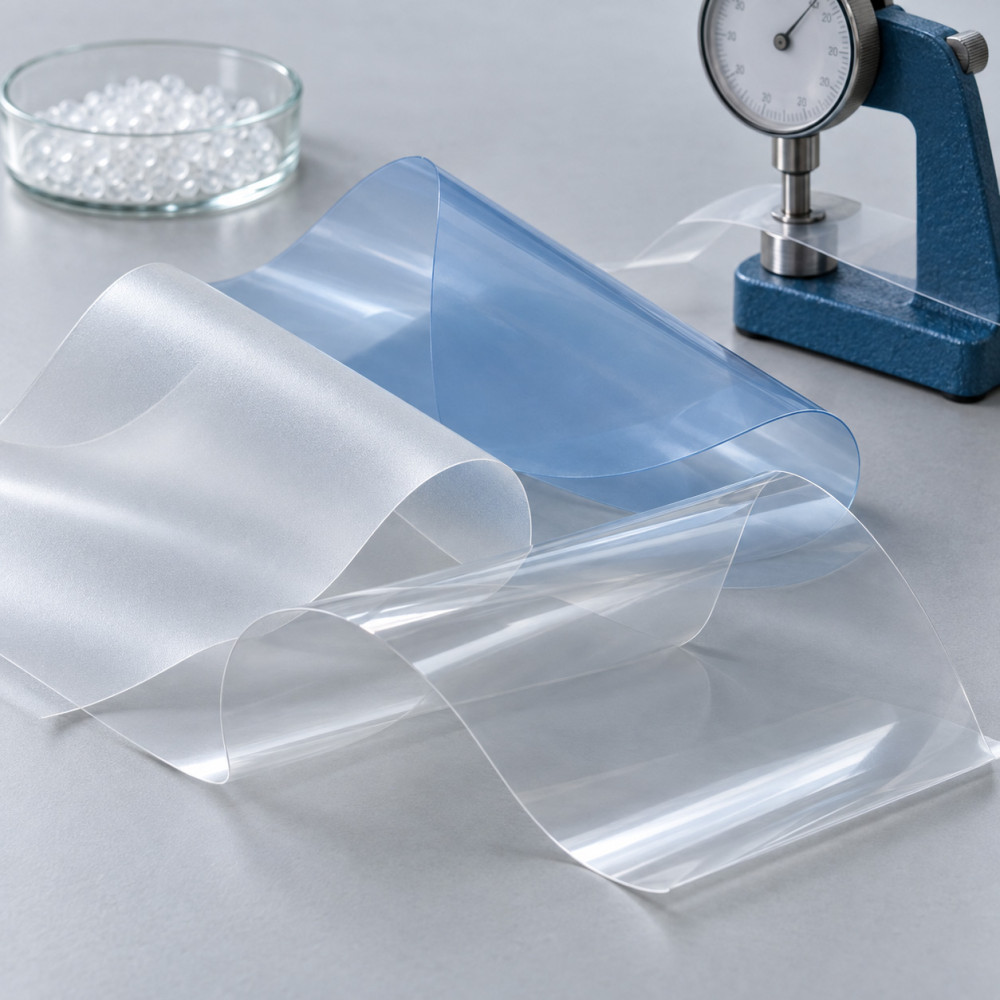
What are Antimicrobial Flexible Films

Antimicrobial flexible films are thin, pliable materials treated to inhibit the growth of microorganisms on their surfaces. One approach is to incorporate an antimicrobial additive into the polymer during manufacture, making the protective function part of the treated film material. This approach can be considered for applications such as bags, liners, pouches and protective covers.

Antibacterial films specifically target bacteria. Antimicrobial is a broader term that can include activity against fungi, including mould; the organisms controlled depend on the formulation and supporting test evidence. Selecting a suitable treatment involves considering the polymer, film structure, manufacturing process and intended use, alongside requirements such as transparency, flexibility and sealing performance.

The development brief should identify which film surface needs protection and why microbial growth matters there. For multilayer films, this includes defining the layer to be treated and the exposed surface where antimicrobial activity is required. Protecting that surface is a separate objective from preserving the contents of a package, which requires its own evidence and assessment.

biomaster_technology_in_action_839933.png

How Biomaster Works in Flexible Films

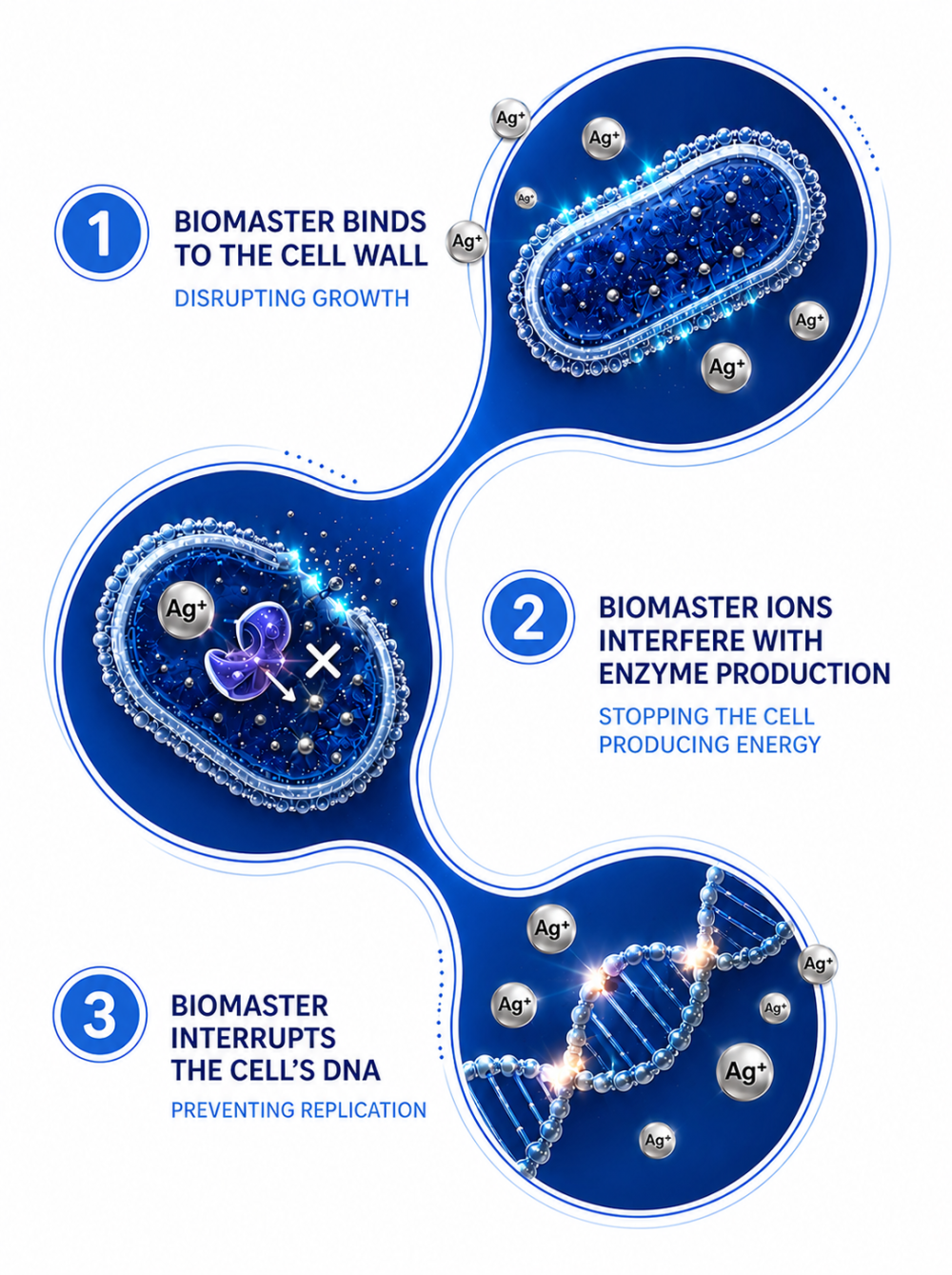
Biomaster uses silver-ion technology to interfere with essential functions in susceptible microbial cells. Silver ions can disrupt cell membranes, affect enzymes and energy production, and interfere with replication. Together, these actions inhibit microbial growth on the treated surface.

When incorporated during film manufacture, the additive is distributed within the treated polymer layer. The film structure therefore matters: development needs to consider where the additive is incorporated and which surface is intended to have antimicrobial activity. A multilayer film should be assessed as a complete construction, with the relevant exposed surface tested.

For manufacturers, this makes antimicrobial performance part of the material-development process. Formulation, processing and validation need to work together so the finished film delivers the intended function alongside its other required properties.

Biomaster provides protection for the treated material. It does not make a film sterile or replace normal cleaning, appropriate handling or the controls required for its application.

Addmaster_flexible_film_manufacturing_22226621.jpg

Incorporating Antimicrobial Additives into Film Production

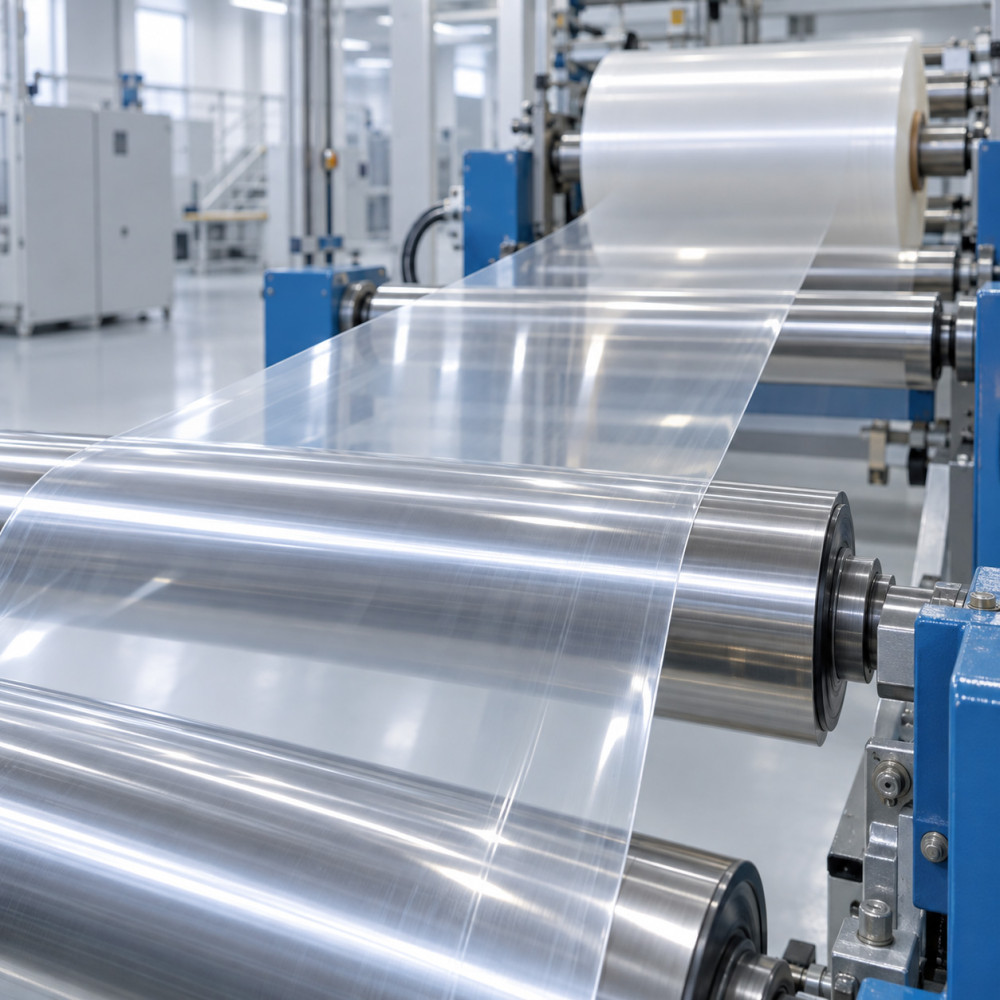
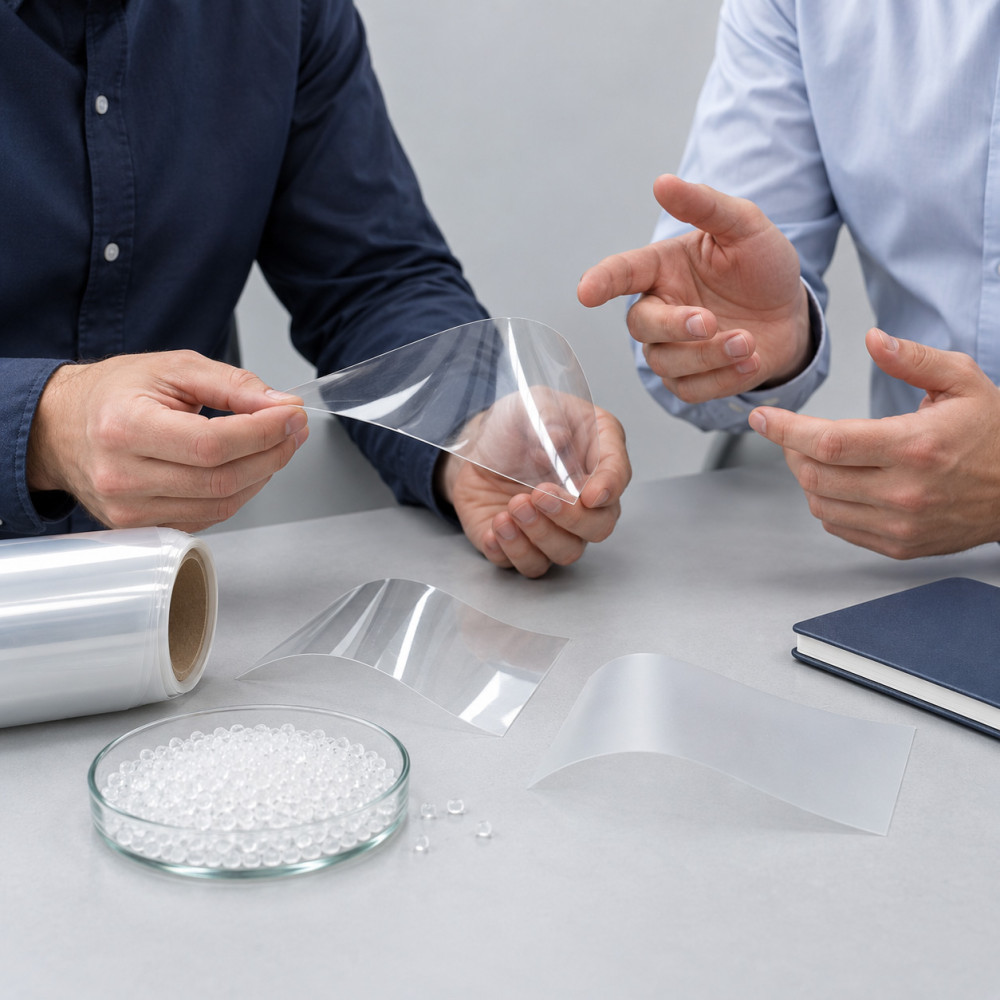
An antimicrobial masterbatch provides a way to introduce an additive into a polymer during processing. The formulation is mixed with the base resin at the recommended addition rate, with the carrier and dosing approach selected for the application.

For a flexible film project, share whether you use blown film extrusion, cast film extrusion or another production route. Include the resin grades, processing conditions, film thickness and any subsequent printing, coating or lamination. These details help define a suitable incorporation approach and a useful production trial.

For multilayer structures, identify the layer proposed for treatment and the surface where performance is needed. If incorporation into a coating is being considered, discuss that formulation and its interaction with the underlying film separately.

Trials should check consistent dosing and dispersion, line performance and the quality of the resulting film. The recommended formulation should then be evaluated in representative finished samples.

Addmaster_flexible_film_development_888931.jpg

Choosing an Additive for your Flexible Film

An antimicrobial film must still perform as a film. Its strength, flexibility, appearance and ability to run through converting equipment are central to the product specification. Considering these requirements helps build a focused development programme.

Polymer and layer structure
Tell us which resin grades and blends you use, such as LDPE, LLDPE, HDPE or polypropylene, and whether the film is a single layer or part of a multilayer construction. Include the thickness of the proposed treated layer and details of pigments, fillers, slip agents, antiblock additives and recycled content. Suitability needs to be assessed for the complete formulation.

Appearance and physical performance
Define the properties that matter to your customer, including clarity, haze, colour, flexibility, tensile strength, tear resistance and puncture performance. Compare trial film with your existing specification so antimicrobial activity is evaluated alongside the qualities the product already needs to deliver.

Converting and end use
Include requirements for printing, lamination, heat sealing, winding and handling. Where relevant, assess seal strength, barrier performance and behaviour after storage or repeated use. Identifying these requirements early helps you select meaningful checks for the finished film or converted pack.


Addmaster_flexible_film_pouches_88990011.jpg

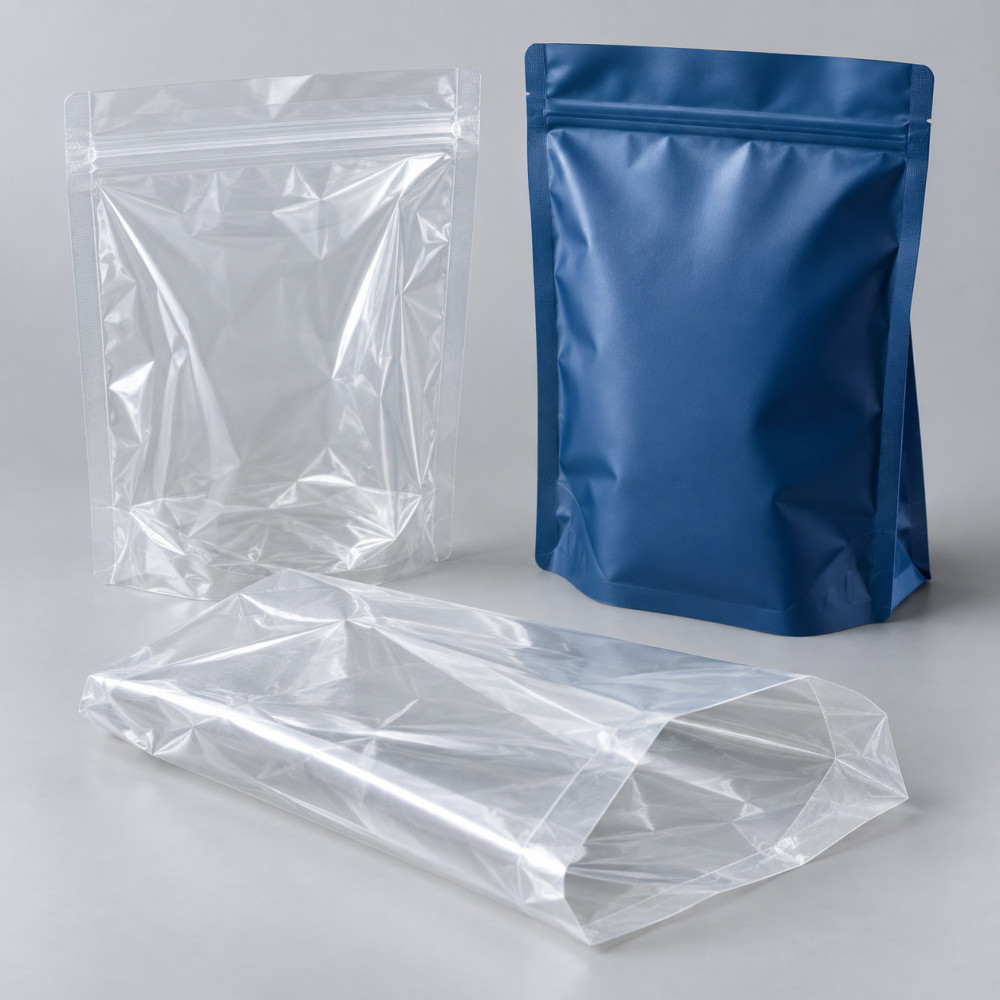
Applications for Antimicrobial Flexible Films

Start with a defined product-surface requirement. A useful project brief explains what the film is used for, how it is handled and why inhibiting microbial growth on that surface would add value.

Bags and liners
For a bag or liner, identify whether the inner surface, outer surface or both are being considered for treatment. Describe the contents, storage conditions and expected service life so development focuses on the relevant material and contact conditions.

Pouches and flexible packaging
For a pouch, sachet or wrapper, share the full packaging construction and intended contents. Antimicrobial functionality should be considered alongside sealing, barrier and presentation requirements, with the precise role of the treated surface clearly defined.

Protective films and flexible covers
For a protective film or cover, explain whether it is single-use, replaceable or reusable, and how it will be cleaned or exposed to wear. These details help determine whether antimicrobial product protection has a useful role in the application.

Antimicrobial_flexible_film_testing_22113322.jpg

Testing Antimicrobial Performance in Flexible Films

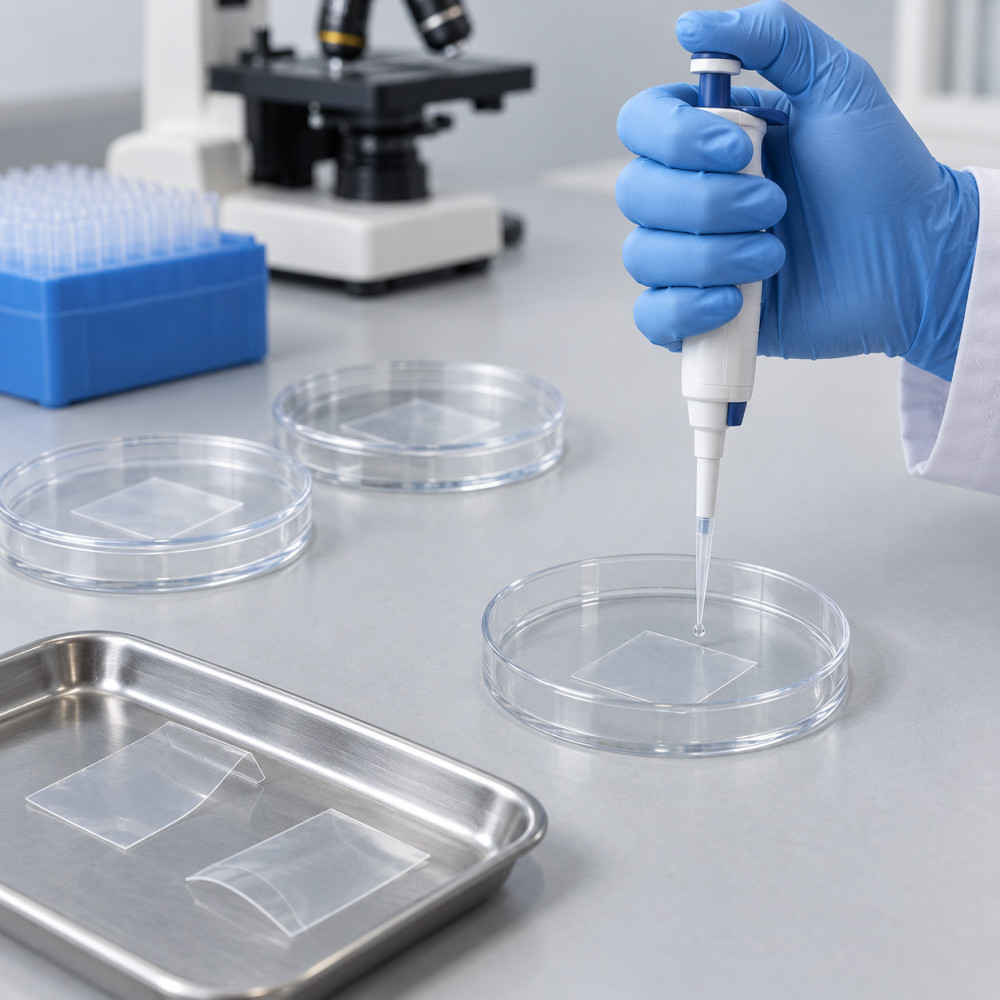
Performance should be demonstrated on the film that will be supplied or converted into the finished product. The test programme should reflect the polymer formulation, film thickness, treated layer and surface of interest, together with any printing, coating or lamination that forms part of the final construction.

ISO 22196 is a recognised method for evaluating antibacterial activity on treated plastics and other non-porous surfaces. Discuss the suitability of the method and sample preparation with the testing laboratory, particularly for thin or flexible specimens. Results describe performance under the specified test conditions.

A useful development programme also checks the film’s physical and converting performance. Where relevant, assess samples after ageing, handling or cleaning to understand whether the intended properties are retained over the proposed period of use.

Match each claim to the evidence collected. Antibacterial activity, resistance to fungal growth, odour prevention and food shelf life are different questions. ISO 22196 does not, by itself, establish prevention of odour or material deterioration.

Antimicrobial_flexible_film_consultation_39274.jpg

Why Develop your Antimicrobial Film with Addmaster

Developing a functional film involves decisions across materials, processing and commercial requirements. Addmaster brings technical, manufacturing, testing, regulatory and marketing support together to help manufacturers and brands work through those decisions.

We start with the application and what you want the treated surface to achieve. From there, we can help you consider the additive format, plan the next development steps and identify the evidence needed to support your intended product positioning.

That support extends to communicating the finished product’s benefits through suitable messaging and co-branding. The aim is a useful material feature that your team can explain clearly and your customers can understand.

We also provide straightforward advice on suitability. If antimicrobial treatment is unlikely to add value to your film application, we will tell you.

Biomaster_antimicrobial_plastics_FAQ_944422.png

Antimicrobial Flexible Films FAQs

These materials can be discussed with Addmaster as part of a project assessment. Share the exact resin grade, blend, film thickness, layer structure and processing route. A recommendation should be based on the proposed formulation and verified through appropriate trials and testing.

These properties should be checked against your film specification during development. Clear films may have demanding haze and appearance requirements, while converted packs may depend on particular sealing and mechanical properties. Evaluate the trial film for both antimicrobial activity and its intended practical performance.

A multilayer project needs assessment of the complete construction and the surface requiring protection. Discuss where the additive would be incorporated and whether subsequent layers, coatings or converting steps affect the exposed surface. Test the relevant surface of the finished construction.

There is no single addition rate for every film. The recommendation depends on the additive formulation, polymer, treated-layer thickness, processing conditions and required performance. Contact Addmaster with your specification before starting trials.

A food-contact proposal needs review of the specific formulation, intended contact conditions and destination markets. Discuss these requirements at the beginning of development. Evidence of antimicrobial activity is separate from establishing food-contact suitability for the finished material.

A test showing reduced microbial growth on a film surface does not establish a food shelf-life benefit. Any preservation claim needs a separate assessment of the packaging system, food, storage conditions and applicable requirements, supported by evidence for the intended use.

The additive is incorporated into the treated material, but a claim for a particular period of performance should be supported by evidence relevant to the finished film and its expected use. Storage, handling, cleaning and wear may need to be included in that evaluation.

Recyclability depends on the complete packaging design, material composition and available collection and reprocessing routes. Assess it separately from antimicrobial performance. Neither antimicrobial activity nor the use of a masterbatch is evidence, on its own, of recyclability or reduced environmental impact.

Our flexible films additive technologies

  • Incorporate antimicrobial functionality into your plastic product during manufacture. Biomaster inhibits the growth of susceptible microorganisms on the treated material, with formulation advice and testing support tailored to your polymer, process and intended application.

    Performance claims should reflect evidence for the finished material. Biomaster complements normal cleaning and hygiene practices.

  • Build a discreet means of identifying genuine products into your plastic material. Verimaster uses covert markers that can be detected with specialist equipment to support product authentication and brand protection.

    Our team can help you assess the marker and detection approach for your product and verification requirements.

  • Add a fragrance to your plastic product as part of the manufacturing process. Scentmaster fragrance masterbatches offer a range of scent options for suitable materials and applications.

    Discuss your preferred fragrance, polymer and processing conditions with our team to establish an appropriate formulation and trial programme.

  • Develop an additive solution around a specific product requirement. Masterpiece brings together Addmaster’s formulation and manufacturing expertise to explore functions that standard additives may not provide.

    Share your material, production process and performance objectives so we can assess feasibility and define the next development steps.

Antimicrobial Flexible films case studies

View our case studies
  • Cedo Food Preparation
    • Biomaster
    • Verimaster
    • Scentmaster
    Cedo Food Preparation

Find out how Addmaster can add value and performance to your products

Get in Touch