
Verimaster_anti_counterfeit_technology_header_888823324.jpg

Verimaster Anti-Counterfeit Additives for Product Authentication

Build product authentication into your materials with Verimaster from Addmaster. Our covert anti-counterfeit additives introduce a concealed marker into suitable products during manufacture, helping you verify marked materials using specialist detection equipment.

Available in masterbatch, powder and liquid formats, Verimaster supports manufacturers and brand owners looking to strengthen product identification, investigate suspect goods and introduce additional manufacturing checks.

Tell us what you need to authenticate, how it is manufactured and where verification will take place. We will help you explore a suitable additive and detection approach.

Verimaster_anticounterfeit_additive_technology_110110220.jpg

What is Verimaster?

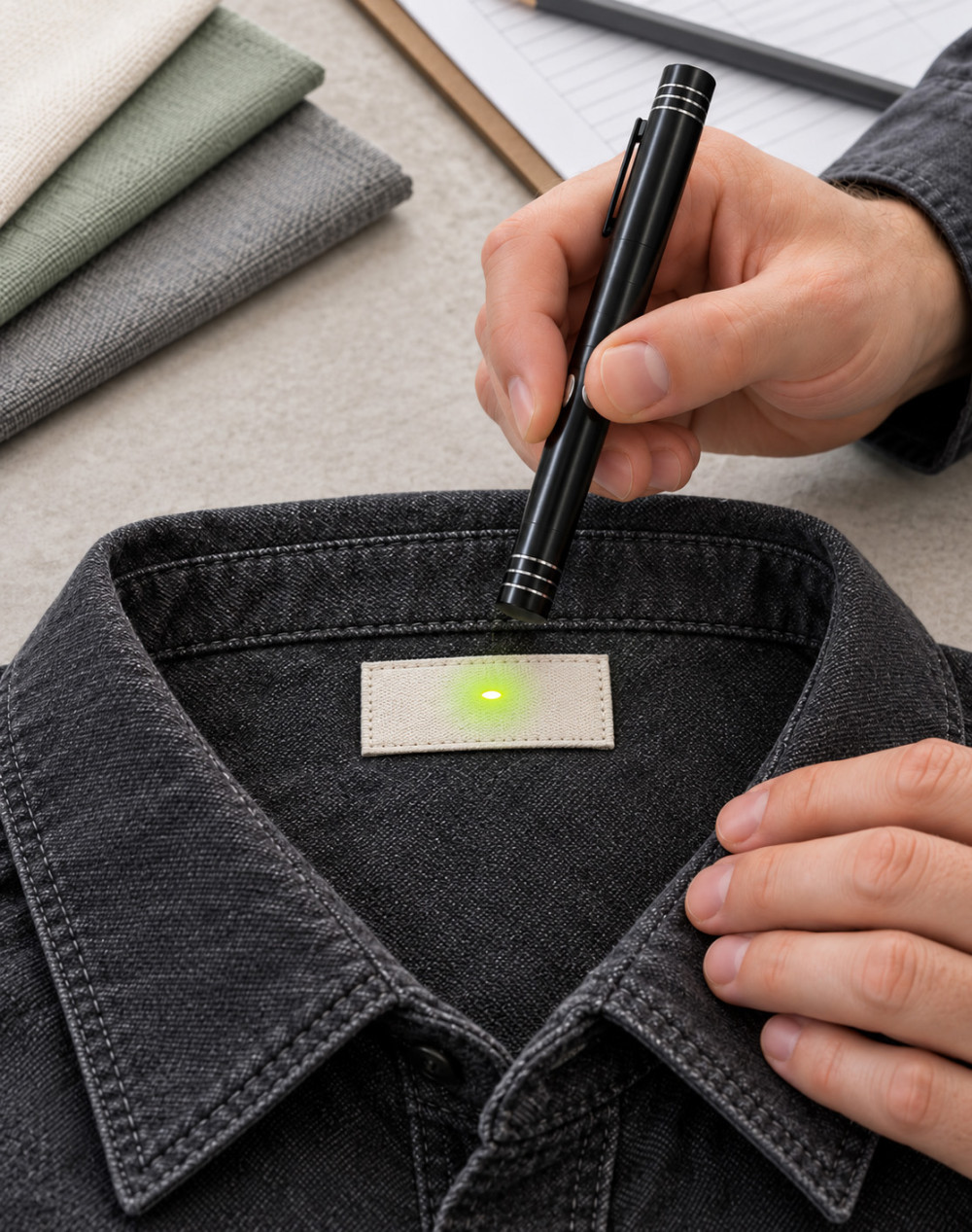
Verimaster is Addmaster’s covert product authentication technology. It uses additives known as security taggants: markers incorporated into a material that can be identified using an appropriate detection system.

The marker is concealed from normal visual inspection, allowing authentication functionality to become part of the manufactured product. Depending on the application, it may be incorporated into the base material or introduced through a suitable coating or treatment.

For manufacturers and brand owners, this provides an additional way to check products beyond their packaging, printed branding or accompanying paperwork. It can support investigations into suspected counterfeiting and help verify that a specified marked material has been used.

The starting point is a clear authentication question: what needs to be identified, who needs to check it and what should the result establish?

Anti_counterfeit_clothing_technology_4445454.jpg

How Verimaster Anti-Counterfeit Technology Works

Verimaster combines a marker within the material with a detection method selected for the application. Both need to work together in the finished product.

Incorporate the Marker
A suitable additive is introduced during an agreed manufacturing stage. Its format and addition rate should reflect the material, processing conditions and required detection response.

Check the Finished Product
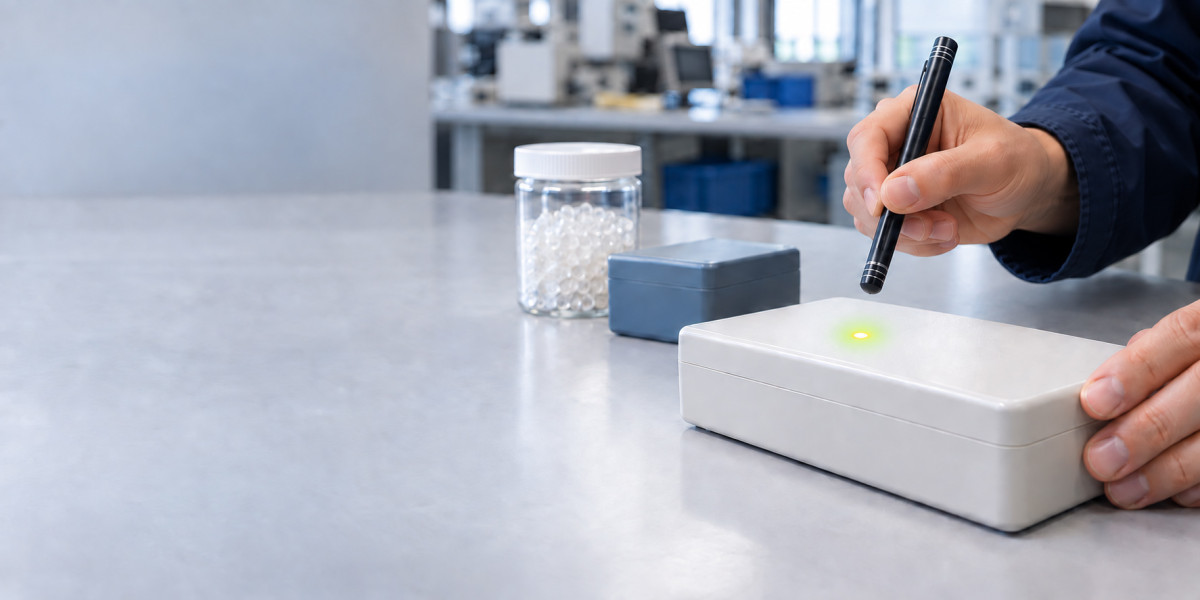
The marked material is examined using the specified detection equipment. Depending on the selected system, verification may involve a visible response under a reader, an electronic signal or laboratory analysis.

Interpret the Result
Detection establishes whether the expected marker response is present at the point examined. An agreed checking procedure helps users interpret the result and identify when further investigation is needed.

The complete approach should define where to test, how to use the reader and how to record findings. Authentication becomes more useful when the result leads to a clear decision.

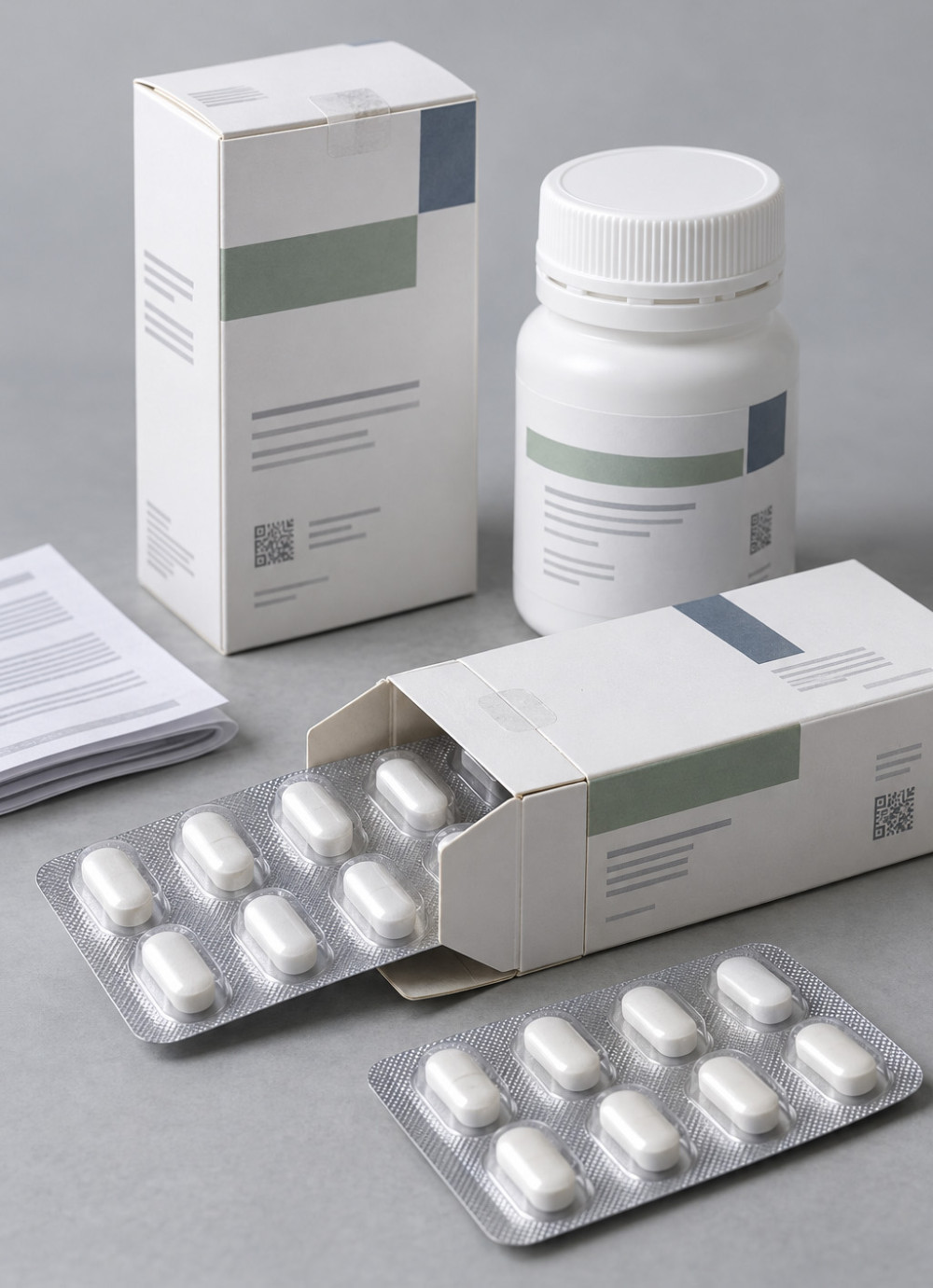
Anti_counterfeit_pharmaceutical_packaging_8393983.jpg

Choosing an Anti-Counterfeit Additive for Your Product

The right solution starts with what you need to verify. Authenticating a branded component, checking a marked formulation and distinguishing production batches can require different approaches.

Material and Manufacturing Process
Share the material composition, manufacturing route, processing temperatures and any pigments, fillers, coatings or finishing steps. Identify the component or layer proposed for marking and whether it will remain accessible for verification.

Appearance and Product Performance
Define the properties your product must retain, including colour, clarity, texture, strength or flexibility. Trials should assess these requirements alongside the consistency of the marker response.

Verification Requirements
Explain who will carry out checks and where: during production, at goods receipt, through distribution or when examining returned products. Include the expected condition of the item and any practical restrictions on access or equipment.

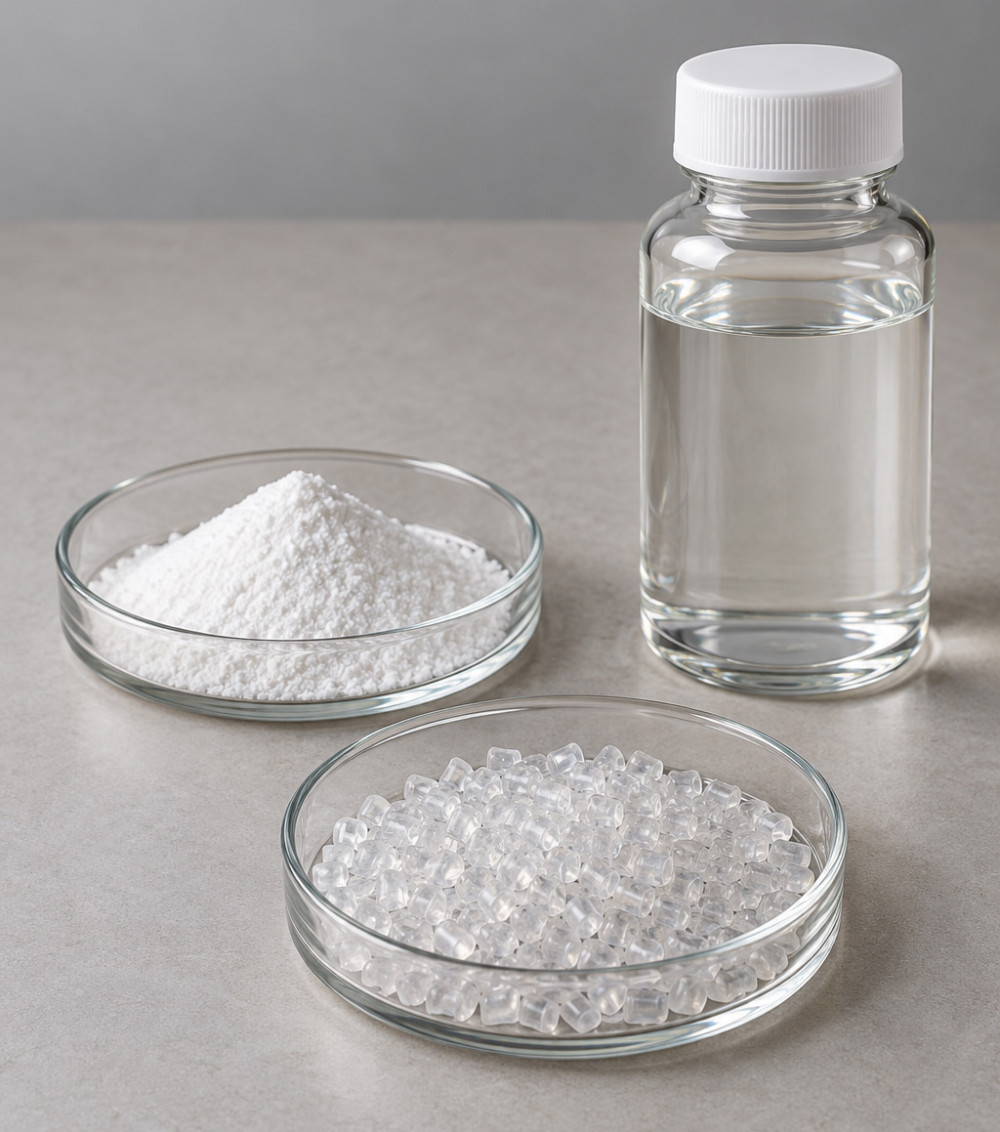
Anti_counterfeit_additive_formats_878323.jpg

Anti-Counterfeit Additive Formats

Verimaster is available in masterbatch, powder and liquid formats for suitable applications. Selection depends on how the marker will be incorporated and detected in the finished material.

Masterbatch Pellets
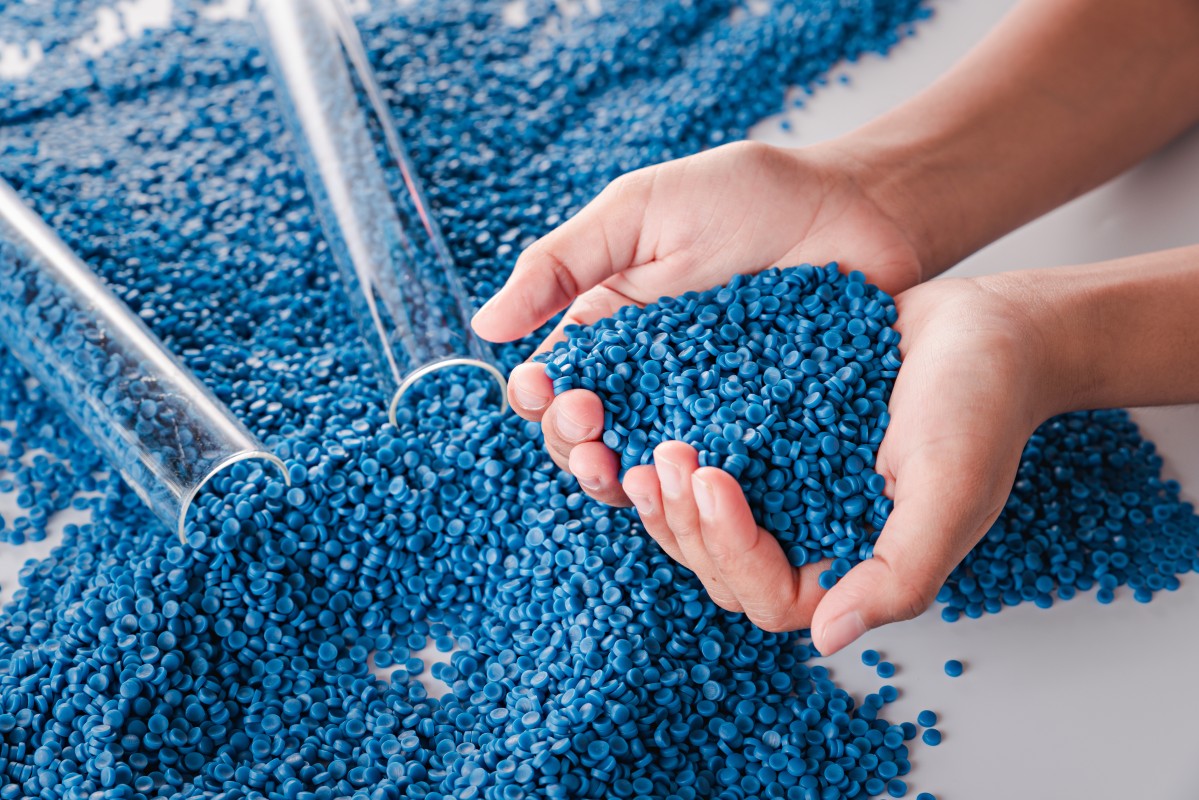
An anti-counterfeit masterbatch carries the marker in a polymer carrier, commonly supplied as pellets. It is blended with a compatible base polymer during suitable plastics processing operations.

Powder Additives
Powder formulations provide an option for suitable compounding, coating and other manufacturing processes. The incorporation method should achieve consistent distribution while maintaining the material’s required appearance and performance.

Liquid Additives
Liquid formulations offer an incorporation route for suitable coatings, treatments and other liquid-based systems. Compatibility, mixing, storage stability and drying or curing conditions should form part of the assessment.

Verimaster_anti_counterfeit_applications_8484832.jpg

Applications for Verimaster Product Authentication

Verimaster can be considered for suitable plastics, paper, textiles, paints and coatings. The most useful application starts with a defined component and a clear reason to authenticate it.

Branded Products and Manufactured Components
Introduce a concealed marker into a selected product or component to support authenticity checks. Identify where inspection will take place and how the marked area can be accessed without unnecessary disassembly.

Packaging, Paper and Printed Materials
Explore marking within a suitable paper, plastic or coating construction. Include printing, lamination and other finishing steps when assessing detection.

Define whether the objective is to authenticate the packaging, a particular component or the product itself. A marked package does not automatically establish the authenticity of its contents.

Textiles and Garment Components
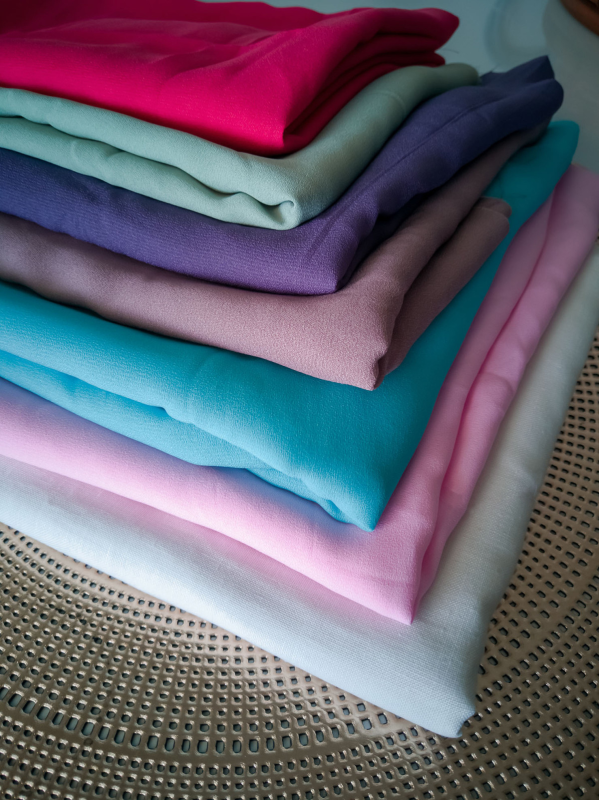
Consider suitable fabrics, labels, trims or other components as the location for an authentication marker. Selection should account for fibre composition, finishing, appearance and expected laundering or wear.

Coatings and Surface Materials
A suitable coating or manufactured surface can provide a location for a covert marker. Include decorative layers, protective finishes and expected exposure so verification reflects the complete construction.

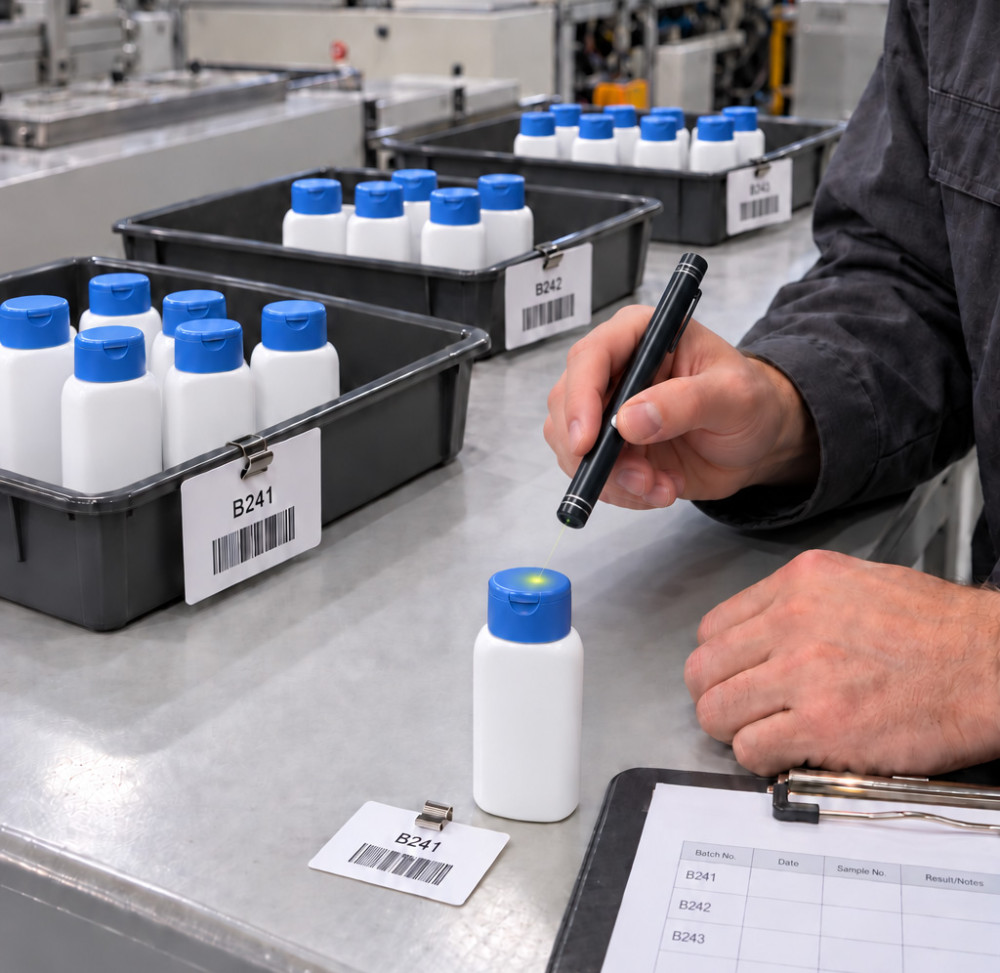
Verimaster_manufacturing_checks_traceability_0102223.jpg

Supporting Manufacturing Checks and Traceability

Verimaster can also support projects where the objective is to identify a specified marked material within a manufacturing process.

For example, a marker may form part of an agreed formulation used by a production partner. Checking representative finished components can then contribute to the quality-control procedure.

Where batch identification is required, discuss the necessary distinctions at the outset. The marker strategy, detection method and production records need to work together to support the intended traceability.

A marker check should answer a defined question. Its presence does not, by itself, establish every aspect of the product specification, its performance or its complete supply-chain history.

Addmaster_verimaster_anti_counterfeit_additive_2223132.jpg

From Initial Brief to Manufacturing Trials

Addmaster helps you work through the material and verification requirements involved in introducing an anti-counterfeit additive.

Define the Authentication Objective
Start with the product and the problem you want to address. Explain what needs to be verified, where checks will happen and what action should follow a result.

Select and Trial the System
Assess a suitable additive format, incorporation stage and detection approach. Trials should evaluate processing, distribution, appearance and relevant physical properties alongside detectability.

Validate Representative Products
Check samples made using the intended production process and complete material construction. Include relevant finishing steps and exposure to handling, cleaning, wear or ageing.

Establish the Checking Procedure
Agree the inspection location, equipment, reference samples and result-recording process. Define how unexpected or unclear results will be investigated before introducing routine checks.

Validating Detection in Your Finished Product

Verification should be demonstrated in representative finished products. A clear response from an additive sample does not automatically establish reliable detection after processing, colouring, coating or assembly.

Include marked samples and matching unmarked controls where practical. Check relevant production variations and confirm that the proposed reader can access the intended inspection area.

Where products will be checked after use, assess detection following appropriate cleaning, laundering, abrasion or environmental exposure. This helps establish whether the system remains suitable at the point when authentication is needed.

Agree what constitutes an expected response and how uncertain readings will be handled. A missing response should trigger the agreed investigation process rather than an unsupported conclusion about the whole product.

Addmaster_No_Licence_Fees_383744.png

Why Develop Your Authentication System with Addmaster?

Addmaster helps you bring material selection, manufacturing and verification together to develop a practical authentication system.

Technical and Manufacturing Support
Get advice on additive selection, incorporation and trials suited to your product and process.

Detection Guidance
Explore suitable detection methods and establish how and where your marked components will be checked.

Product Communication
Our technical, regulatory and marketing support helps you explain Verimaster’s role while keeping sensitive verification details confidential.

No Licence Fees
There are no licence fees for using Verimaster technology. Speak to us about additive supply, detection equipment and development requirements.

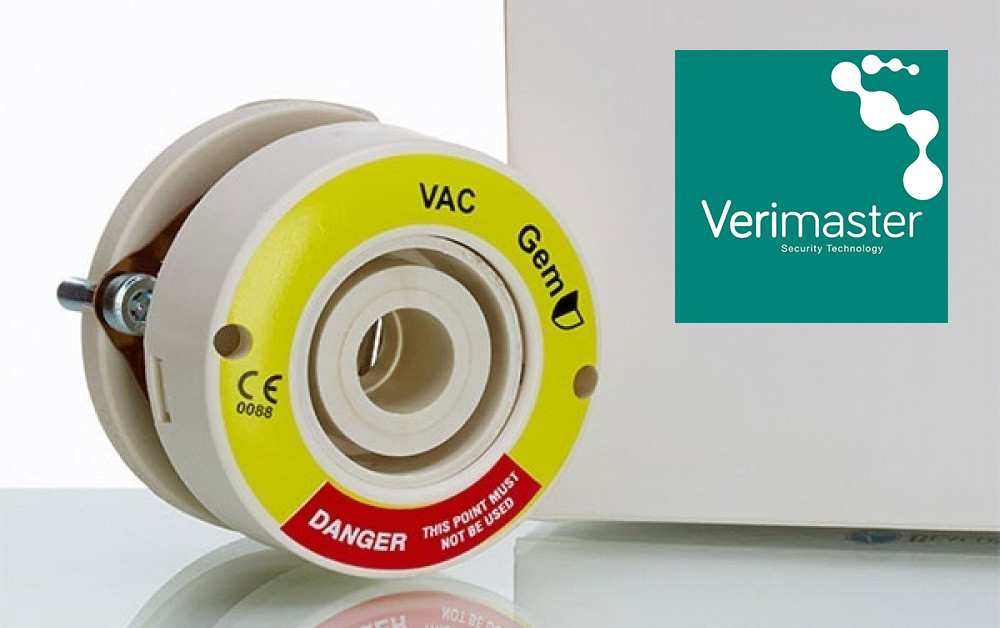
Verimaster_BeaconMedaes_Case_Study_445.jpg

Verimaster in Customer Products

BeaconMedaes incorporates a Verimaster taggant into its GEM Shield medical gas terminal unit to support identification.

The application illustrates how a concealed marker can become part of a manufactured component and contribute to an agreed verification procedure.

Biomaster_antimicrobial_plastics_FAQ_944422.png

Frequently Asked Questions

An anti-counterfeit additive introduces a detectable marker into a material. When used with an appropriate reader and checking procedure, it can support authentication of the marked product or component.

A security taggant is a marker used to help identify a material or product. Verimaster uses covert taggants that can be detected using a system selected for the application.

The marker is intended to be concealed during normal visual inspection. Detection uses the appropriate equipment or analytical method for the selected system.

Appearance should form part of the development brief. Trials need to assess colour, clarity, finish and other relevant properties alongside the detection response.

It can be considered for future production of an existing product. The material, manufacturing process and proposed inspection method should be reviewed before trials.

Verimaster can be considered as an additional authentication feature within a broader brand-protection approach. Define what each measure contributes and how the checks will work together.

Discuss the required level of identification with Addmaster. Detecting a marker is different from identifying an individual item or production batch; those objectives require an appropriately designed marking strategy and supporting records.

No. In an appropriately designed formulation, a marker may support checks that a specified marked additive system has been incorporated. Antimicrobial performance still requires its own assessment in representative finished materials.

Cost depends on the selected formulation, addition rate, production volume and detection requirements. Share your application so our team can discuss a suitable recommendation and quotation.

Find out how Verimaster can add value and performance to your products

Get In Touch Today

Solutions we offer

  • Flexible Films
  • Paints & Coatings
  • Paper & Board
  • Polymers and Plastics
  • Surfaces
  • Textiles & Fabrics

Addmaster case studies

View our case studies
  • Harfield Tableware
    • Biomaster
    Harfield Tableware
  • BeaconMedaes
    • Biomaster
    • Verimaster
    BeaconMedaes

Latest Addmaster news

Read more news
  • NIO Integrates Biomaster Technology into ES9 Premium Vehicle Seating
    biomaster news
  • Biomaster Protection for Decoded
    biomaster news
  • Addmaster joins the Bathroom Association as an Affiliate Member
    addmaster news

Find out how Verimaster anti counterfeit technology can add value to your products

Download