

Blog
Featured Articles
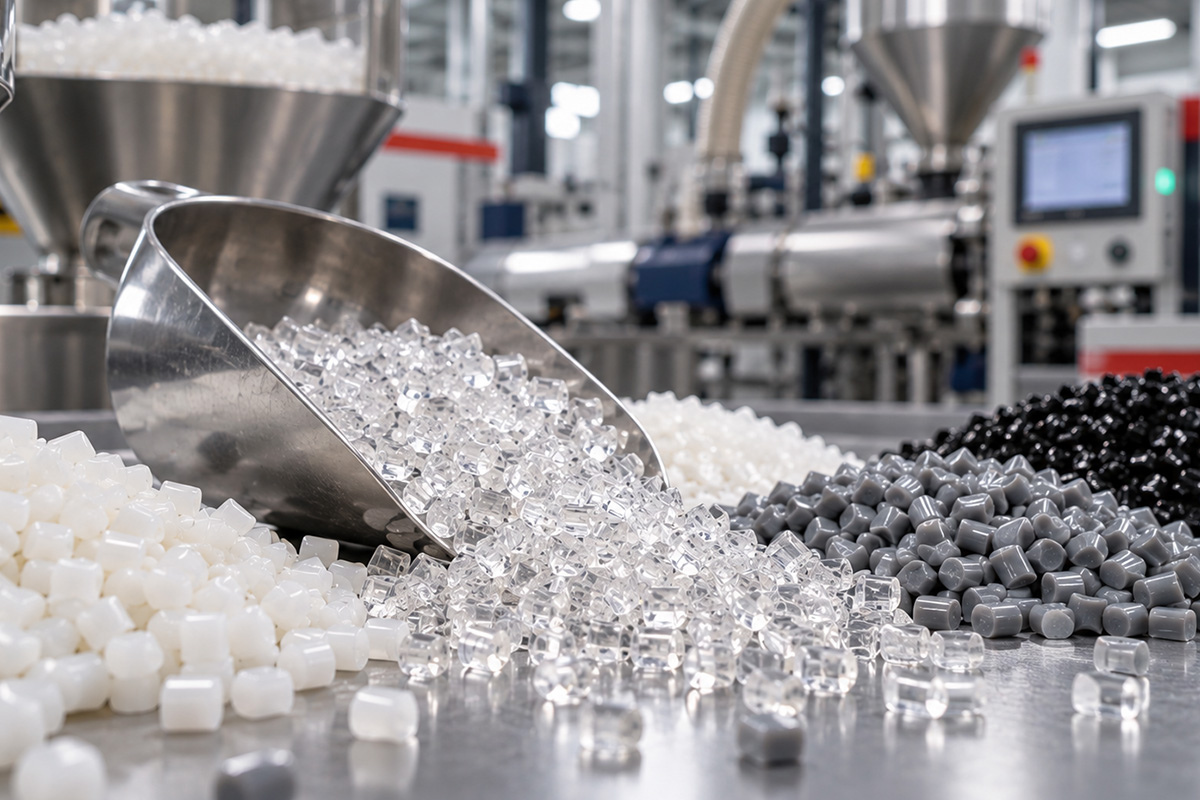
Antimicrobial Additives for Different Types of Plastic: A Manufacturer’s Guide
Plastics are not a single material. Polypropylene, polyethylene, ABS, PVC and engineering polymers all have different properties, processing requireme...

How Long Can Listeria Survive on Surfaces?
When discussing food safety risks, few microorganisms attract as much attention as Listeria monocytogenes. Unlike many bacteria that struggle to surv...

Hygiene by Design and the Evolution of Bathroom Product Innovation
Bathroom product design has traditionally been defined by aesthetics, durability, and performance. However, another dimension is becoming increasingly...
-
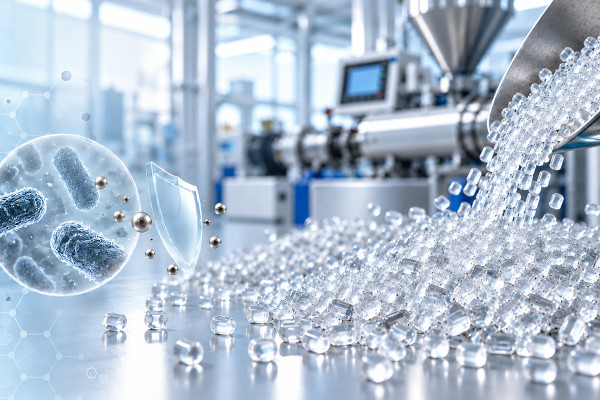
Choosing an Antimicrobial Masterbatch for your Polymer Process
A masterbatch can make additive incorporation part of a familiar polymer-processing route. Choosing one, however, involves more than finding a concent...
-
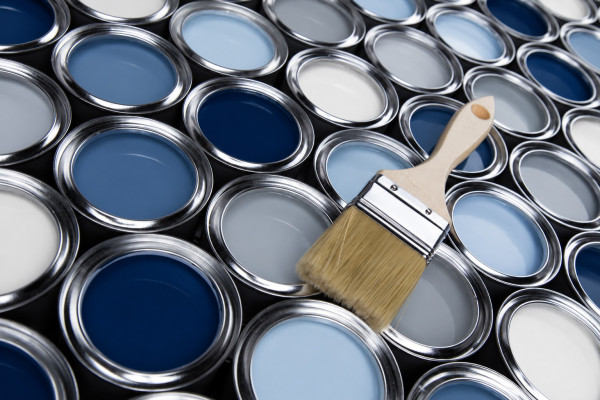
How to Evaluate Antimicrobial Paint Additives
Developing antimicrobial paints and coatings starts with the material, manufacturing process and intended application. An antimicrobial additive can b...
-
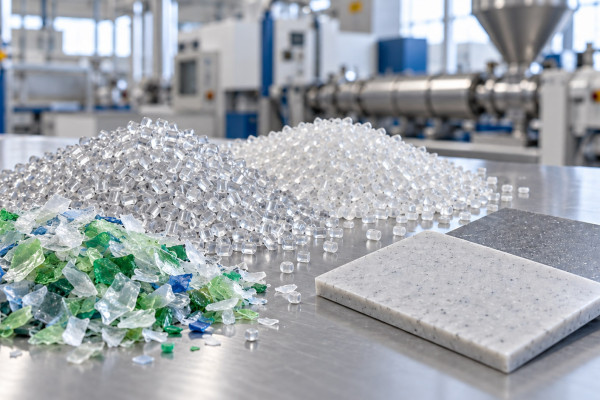
Can Antimicrobial Additives Be Used in Recycled Plastics?
Yes, antimicrobial additives can be considered for suitable recycled plastics and blends of virgin and recycled polymer. The formulation needs to be a...
-
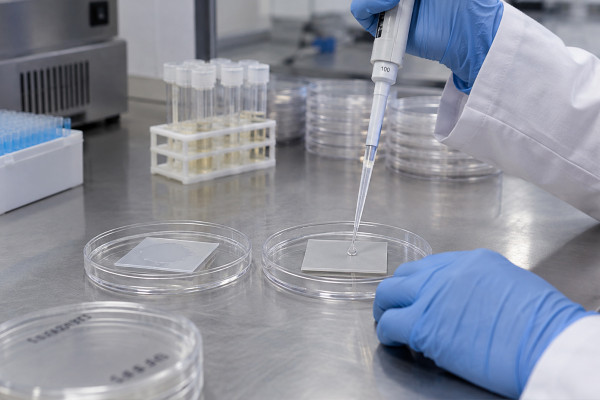
ISO 22196: Testing Antibacterial Activity on Plastics and Non-Porous Surfaces
When antimicrobial technology is incorporated into a plastic product, manufacturers need appropriate evidence to understand how the finished treated m...
-
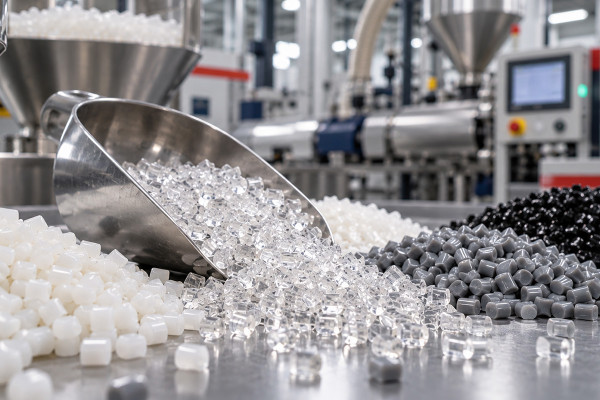
Antimicrobial Additives for Different Types of Plastic: A Manufacturer’s Guide
Plastics are not a single material. Polypropylene, polyethylene, ABS, PVC and engineering polymers all have different properties, processing requireme...
-

How Antimicrobial Technology Can Be Integrated into Gym Equipment
A practical guide for manufacturers considering built-in antimicrobial product protection for grips, upholstery, housings and other gym equipment comp...
-

Designing Antimicrobial Technology into Education Environments
Every September, schools across the UK come back to life. Classrooms fill, corridors become busy again and thousands of desks, chairs, lockers, keyboa...
-
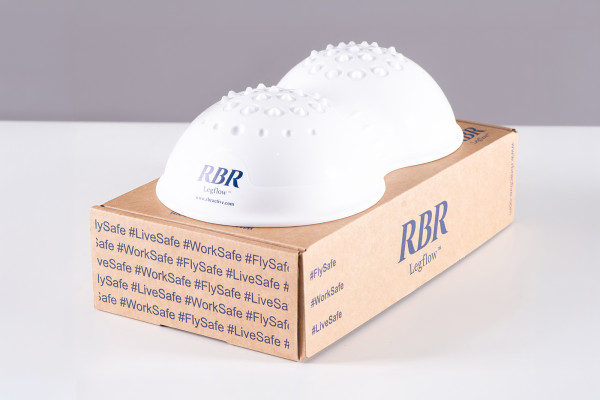
The RBR Active and Biomaster Partnership
Medical devices must perform in the real world A successful medical device has to do more than perform its primary function. It must also work for th...
-
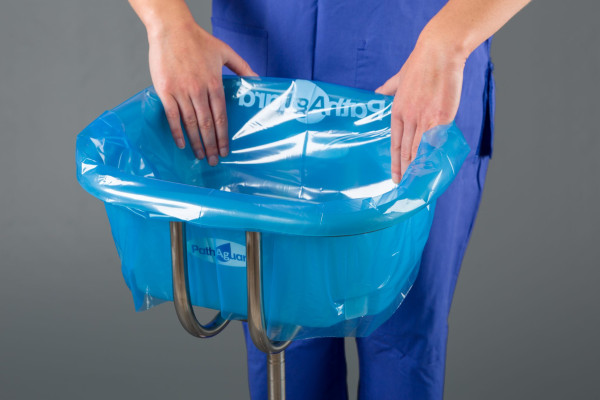
How CMC Hygea is Supporting Hygiene by Design with Biomaster Antimicrobial Technology
Healthcare-associated infections (HAIs) remain one of the most significant challenges facing healthcare systems worldwide. Despite advances in clinica...
-

The Use of Antimicrobial Additives in Plastics
Plastics are used in almost every part of modern life. From medical devices and food packaging to bathroom products, consumer electronics, transport i...
-

Why Marketing Support Matters When Choosing an Additive Partner
When manufacturers evaluate antimicrobial technologies, the conversation usually centres around technical performance. Questions about efficacy, durab...
-
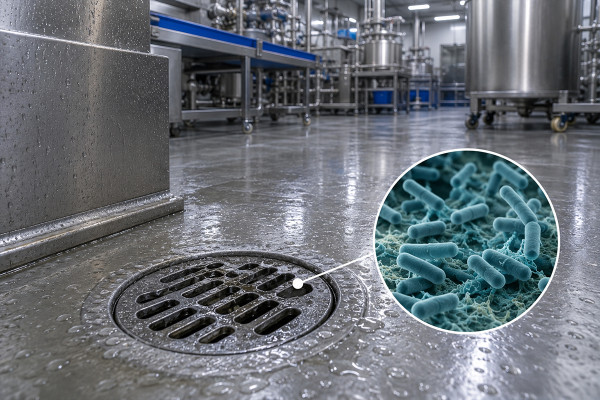
How Long Can Listeria Survive on Surfaces?
When discussing food safety risks, few microorganisms attract as much attention as Listeria monocytogenes. Unlike many bacteria that struggle to surv...