How Many Bacteria Are Lurking on Everyday Surfaces?

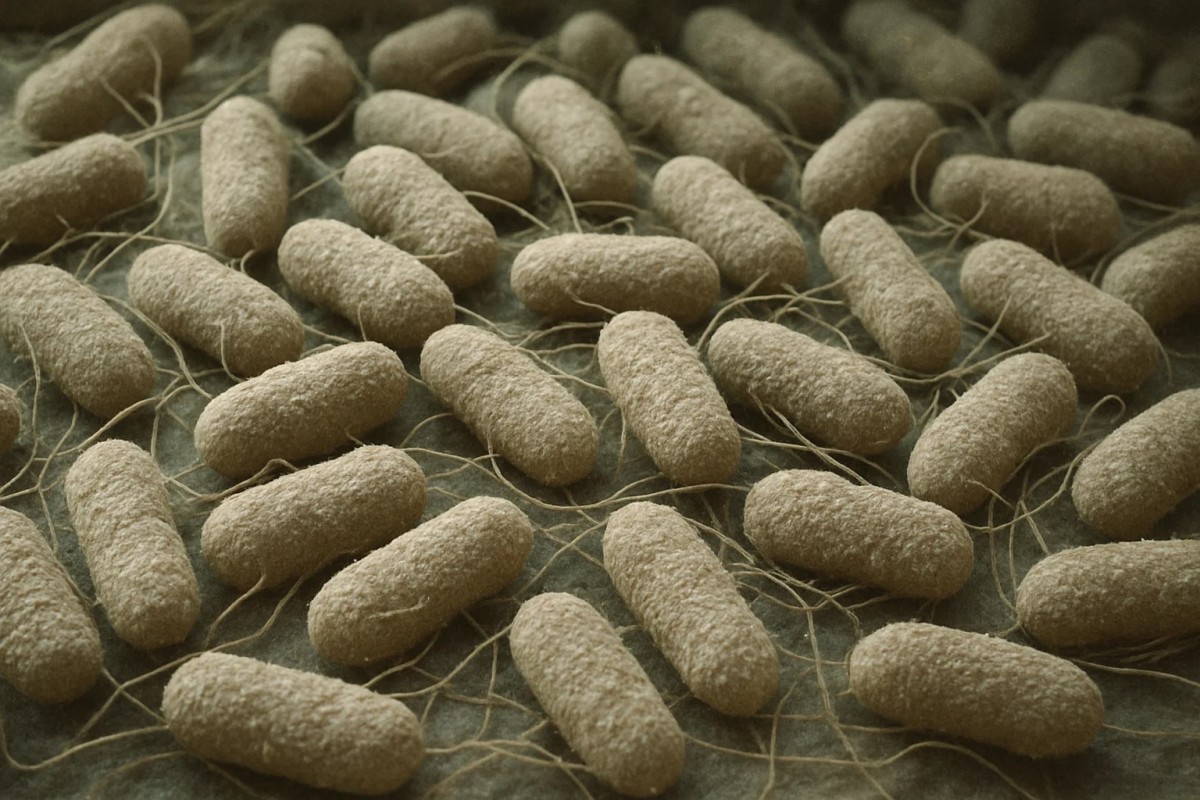
We often associate bacteria with obvious culprits like toilet seats and rubbish bins. But in reality, some of the most contaminated surfaces are the ones we use every day without a second thought. Here's a closer look at just how many bacteria live on common surfaces — and why antimicrobial product protection such as our Biomaster technology might be your new best friend.
- Kitchen Sponge
🧽 Up to 10 billion bacteria/in²
The dirtiest item in the average home — moist, warm, and packed with food particles. - Mobile Phone 📱 25,000 – 50,000 bacteria/in²
Touched hundreds of times a day and rarely cleaned. Dirtier than a toilet seat. - Computer Keyboard ⌨️ 3,000 – 5,000 bacteria/in²
Crumbs, skin cells, and infrequent cleaning make keyboards ideal for microbial growth. - Computer Mouse 🖱 1,500 – 4,000 bacteria/in²
Often neglected during cleaning despite constant hand contact. - TV or Game Controller 🎮 7,000 – 15,000 bacteria/in²
Passed between multiple hands, especially in households with children. - Door Handle 🚪 10,000 – 1,000,000 bacteria/in²
A hotspot in public spaces like offices and restaurants. - Cash & Coins 💷 2,500 – 10,000 bacteria/in²
Frequently handled and rarely sanitised. - TV Remote Control 🛋 20,000 – 50,000 bacteria/in²
Rarely cleaned but frequently used — especially at home and in hotels. - Reusable Water Bottle 🧴 Up to 300,000 bacteria/in²
Spouts and lids are perfect hiding spots for bacteria. - Bathroom Tap 🧼 500 – 5,000 bacteria/in²
Touched with dirty hands before washing. - Toilet Seat 🚽 50 – 300 bacteria/in²
Surprisingly clean due to regular cleaning and awareness. - Laundry Basket 🧺 10,000 – 40,000 bacteria/in²
Damp clothes and towels create the perfect moist environment. - Office Desk Surface 💼 15,000 – 25,000 bacteria/in²
A common workspace that’s often overlooked in cleaning routines. - Café or Restaurant Table ☕ 1,000 – 10,000 bacteria/in²
Wiped quickly between customers — often with the same cloth. - Backpack or Handbag 🎒 5,000 – 20,000 bacteria/in²
Picked up from floors and on public transport. - Bed Sheets (Unwashed for 1 week) 🛏 10,000 – 1,000,000 bacteria/in²
Sweat, skin flakes, and hair all contribute to microbial buildup. - Shoes (Soles) 🩴 Up to 500,000 bacteria/in²
Can include E. coli and other faecal bacteria tracked in from outside. - Light Switch 🔦 200 – 1,000 bacteria/in²
A high-touch surface that is generally not cleaned as often as it should be. - Shower Head 🚿 Up to 100,000 bacteria/in²
Especially if not regularly descaled or used infrequently. - Shopping Trolley Handle 🛍 100,000 – 1,000,000 bacteria/in²
Touched by many hands each day — often with food, saliva, or children involved.
The Role of Antimicrobial Product Protection
Regular cleaning helps — but it’s not always enough. That’s why many manufacturers are now turning to antimicrobial technology to build in hygiene at the surface level. From coatings on trolleys and remote controls to treated textiles and kitchen tools, antimicrobial technology inhibits the growth of bacteria between cleanings — providing ongoing peace of mind.
What You Can Do
- Clean high-touch items daily.
- Use microfibre cloths and avoid using the same one across surfaces.
- Choose products with built-in antimicrobial product protection when available.
References and Sources
- BBC Future. When should you throw away your kitchen sponge? Link
- StateFoodSafety. The Dirty Cell Phone: 25,127 Bacteria per Square Inch. Link
- MyDoorSign. Office Germs Dirtier Than a Toilet Seat. Link
- The Guardian. Why your keyboard might be dirtier than your toilet. Link
- SustainHealth. TV Remotes Dirtier Than Toilet Seats. Link
- Scientific American. Dirty Money. Link
- Forbes. 5 Gadgets with More Germs than Your Toilet Seat. Link
- Blue Cross Blue Shield of Michigan. Can Bacteria in Your Reusable Water Bottle Make You Sick? Link
- Banner Health. How Dirty Is Your Toilet Seat? Link
- Wessex Cleaning. Desk Hygiene 101. Link
- Food Safety Tech. Germiest Surface Areas in Restaurants. Link
- Fox News. Dangers You Can’t See Lurking in Unwashed Bedding. Link
- Unger Global. Why Floor Cleaning is Critical to Combating Infectious Disease Spread. Link
- Realtor. How Gross Are Your Light Switches? Link
What Next?
🔗 Follow us on Social Media, here is our LINK TREE
✉️ See how our additive technology can benefit your business by CONTACTING US
🦠 Find out more about Biomaster Antimicrobial Technology HERE
🎥 Watch our video on how Biomaster works WATCH NOW
📰 Subscribe to our Newsletter - SUBSCRIBE
Cite This Post
APA Style
P. Willocks (2025). How Many Bacteria Are Lurking on Everyday Surfaces?. Retrieved May 27, 2025,
from https://www.addmaster.co.uk/blog/how-many-bacteria-are-lurking-on-everyday-surfaces
MLA Style
Willocks, Paul. How Many Bacteria Are Lurking on Everyday Surfaces?; Web. May 27, 2025.
https://www.addmaster.co.uk/blog/how-many-bacteria-are-lurking-on-everyday-surfaces.
Chicago Style
P. Willocks. How Many Bacteria Are Lurking on Everyday Surfaces? Last modified May 27, 2025.
https://www.addmaster.co.uk/blog/how-many-bacteria-are-lurking-on-everyday-surfaces.
← Back to blog