What’s Your Bag for Life Carrying Home for Christmas?

Reusable bags have become an essential part of everyday life. They often sit in kitchen cupboards, car boots and hallways, waiting to be grabbed on the way out of the door. We rely on them constantly, often using the same few bags hundreds of times across the course of a year. Yet despite this heavy use, very few people stop to think about what these bags have been through, what they have carried, or what might be lingering inside them.
Over a decade of behavioural studies has shown that shoppers rarely wash or clean their bags for life. Once purchased, they become semi-permanent household items that accumulate dirt, moisture, food residues and everyday debris. Raw meat packaging, loose vegetables, soil from flowerpots, pet bedding, gym kit, car tools and children’s toys all pass through them. In previous consumer research commissioned by Addmaster, respondents admitted that the things they had carried included muddy sports equipment, leaking takeaway containers, and, in a few unusual cases, wildlife such as a dead fox. Although these stories often raise a smile, they highlight a deeper reality: bags for life live a surprisingly hard life, and most people have no idea what might be growing inside them.
This poses a risk that becomes particularly relevant in the run-up to Christmas. December is the peak season for food shopping, especially for raw meat and poultry. Shoppers often handle large turkeys, vacuum-packed ham joints and multiple packs of fresh ingredients, sometimes placing them into whichever bag is closest to hand. If that bag previously held items contaminated with soil, pet matter, mud or everyday household grime, the potential for cross-contamination grows significantly. Food safety experts have long warned about the dangers of mixing raw and ready-to-eat food without proper hygiene precautions. Bags for life inadvertently blur that boundary.
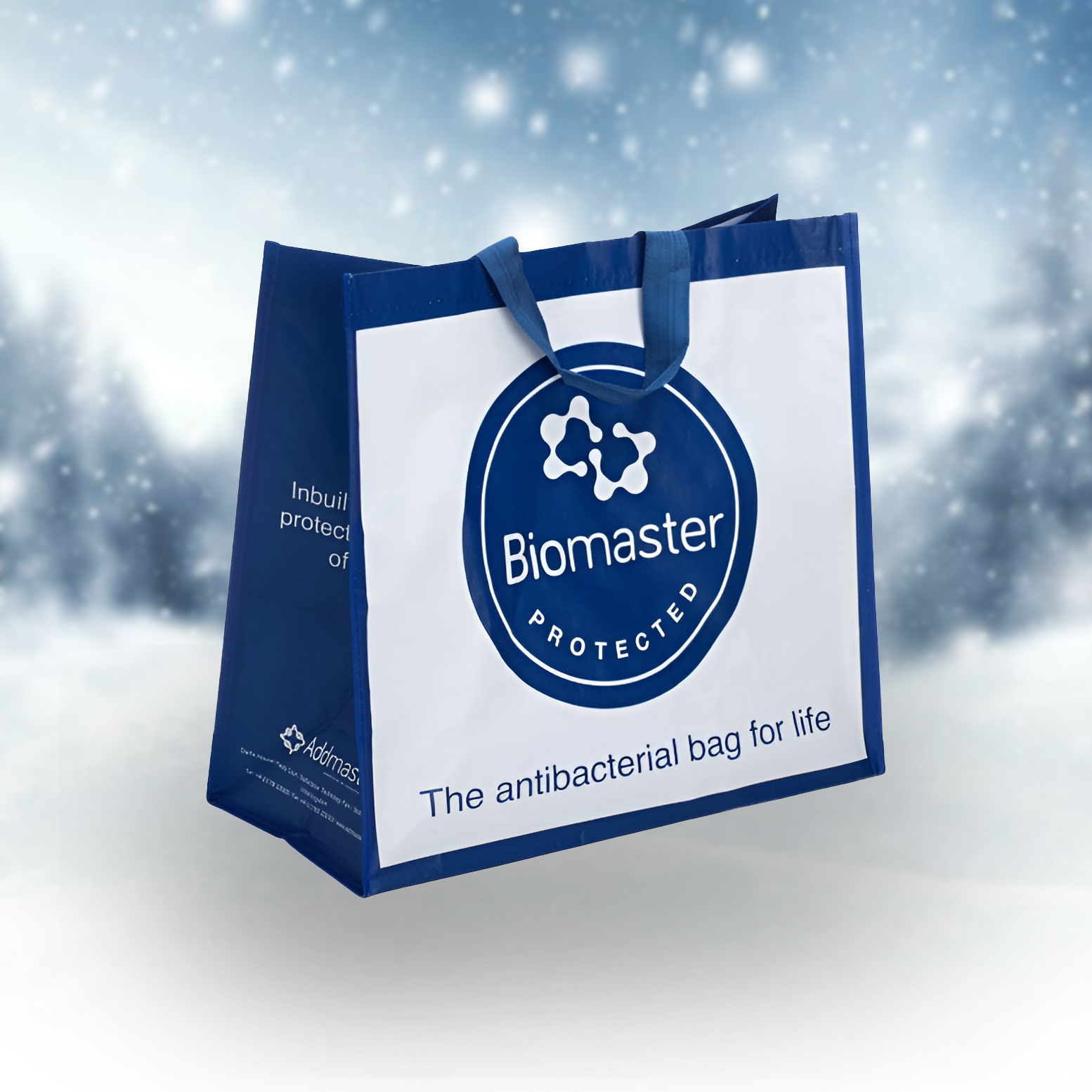
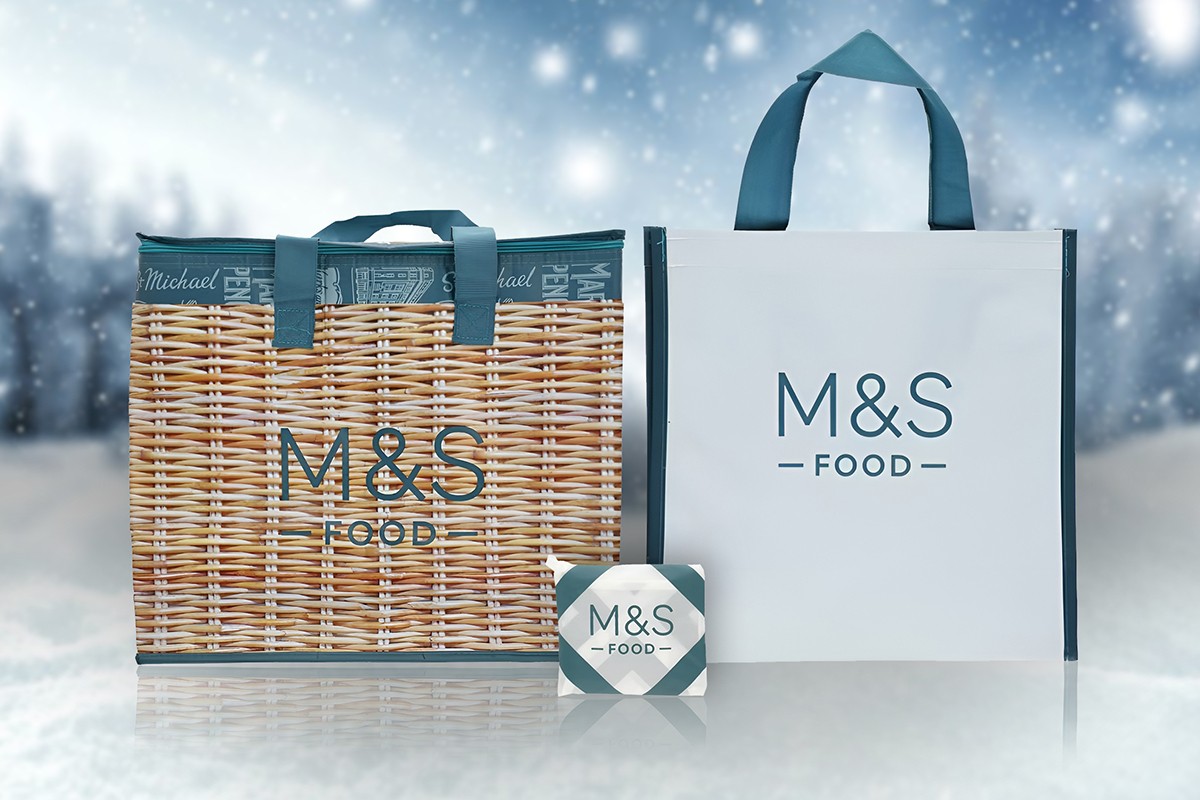
This is why several major UK retailers now incorporate antimicrobial technology into their reusable bags. Today, millions of bags in circulation incorporate Biomaster antimicrobial technology, including those used by Marks & Spencer and those seen in Morrisons, Asda and Tesco. By integrating Biomaster during manufacture, the material gains built-in product protection that works continuously to keep the inside of the bag cleaner and fresher for longer than untreated alternatives. It does not wash off or wear away and remains effective for the usable lifetime of the bag. While it is not a replacement for good hygiene practices, it adds an extra layer of reassurance for consumers who use their bags in unpredictable ways.
“Christmas is the one time of year when we buy the largest meat products and handle them under pressure and in crowded stores,” said Paul Willocks, Global Marketing Director at Addmaster. “It’s the perfect moment to remind shoppers to dedicate one bag to raw meat and consider using bags with added antimicrobial protection for peace of mind.”
Shoppers are often unaware that these bags include this added protection, partly because the bags look and feel like any other. Yet behind the scenes, the adoption of antimicrobial technology has grown steadily across the retail sector. For supermarkets, it helps support their broader commitment to their customers. For consumers, it provides peace of mind at a time when reusable bags are exposed to more diverse contamination sources than ever before.
What makes this moment particularly timely is the shift in shopping habits. Many households now use fewer single-use carriers, and some rely heavily on delivery crates or baskets, meaning their personal bags for life are not rotated as frequently. Fewer rotations mean a single bag is used more often and acquires more dirt and residue between trips. Combine that with seasonal pressures including crowded aisles, heavy grocery loads, reduced attention to detail, and the hygiene risk becomes more pronounced.
At Christmas, households also tend to buy larger meat products that can leak or drip more easily. Even packaging labelled as leak-resistant can still leave moisture on the surface, especially after transport or temperature changes. If placed into a bag that previously held gardening tools, children’s shoes, or damp pet supplies, it creates an environment where bacteria can thrive. This is where the built-in antimicrobial product protection offered by Biomaster becomes relevant. It provides an added measure of cleanliness to the bag’s surface, helping to reduce the risk of it becoming a reservoir for unwanted bacterial contamination.
Alongside the hygiene message, the behavioural data collected in Addmaster’s original consumer research still resonates today. It revealed a gap between how people think they use their bags and how they actually use them. Many respondents believed they kept their bags “reasonably clean”, yet also admitted to carrying muddy football boots, soiled reusable nappies, garden compost, pet food, gym clothing and occasionally even injured animals during emergencies. These mismatches between perception and reality demonstrate why education remains important, especially during the festive season when food hygiene is under greater scrutiny.
It is not about alarming shoppers, but about helping them make small, sensible choices during the busiest food shopping period of the year. A reminder to dedicate one bag specifically for raw meat. A gentle nudge to avoid using the same bag for groceries and pets. A prompt to choose a bag with added product protection for everyday use. These simple behaviours can help reduce the risk of cross-contamination without adding inconvenience or cost.
For many years, the story around reusable bags focused on sustainability, rightly emphasising waste reduction and environmental impact. Today, we can enrich that narrative with an additional dimension: hygiene. A bag for life may be environmentally responsible, but what it carries and how it is used still matters. Integrating antimicrobial product protection is one part of that picture. Consumer awareness is another.
As Christmas approaches, and shoppers across the UK prepare for the biggest food shop of the year, now is the ideal time to revisit this message. Millions of Biomaster-protected bags are already in circulation, quietly helping people keep their everyday essentials cleaner.
If this article prompts even a few households to think twice about how they use their bags for life this festive season, it will have done its job.
You can purchase antimicrobial 'Bags For Life' in-store or from the following links:
M&S - https://www.marksandspencer.com/food/l/household/food-preparation-and-storage/bags-and-storage
Morrisons - https://groceries.morrisons.com/categories/household/bags-for-life/180141
Tesco - https://www.tesco.com/groceries/en-GB/products/307267485
What Next?
🔗 Follow us on Social Media, here is our LINK TREE
✉️ See how our additive technology can benefit your business by CONTACTING US
🦠 Find out more about Biomaster Antimicrobial Technology HERE
🎥 Watch our video on how Biomaster works WATCH NOW
📰 Subscribe to our Newsletter - SUBSCRIBE
← Back to blog