Clear_Resin_Pellets_in_Three_Mounds_56747.jpg

What is an Antimicrobial Masterbatch?

An antimicrobial masterbatch is a concentrated additive formulation designed to introduce antimicrobial functionality into a polymer during manufacture.

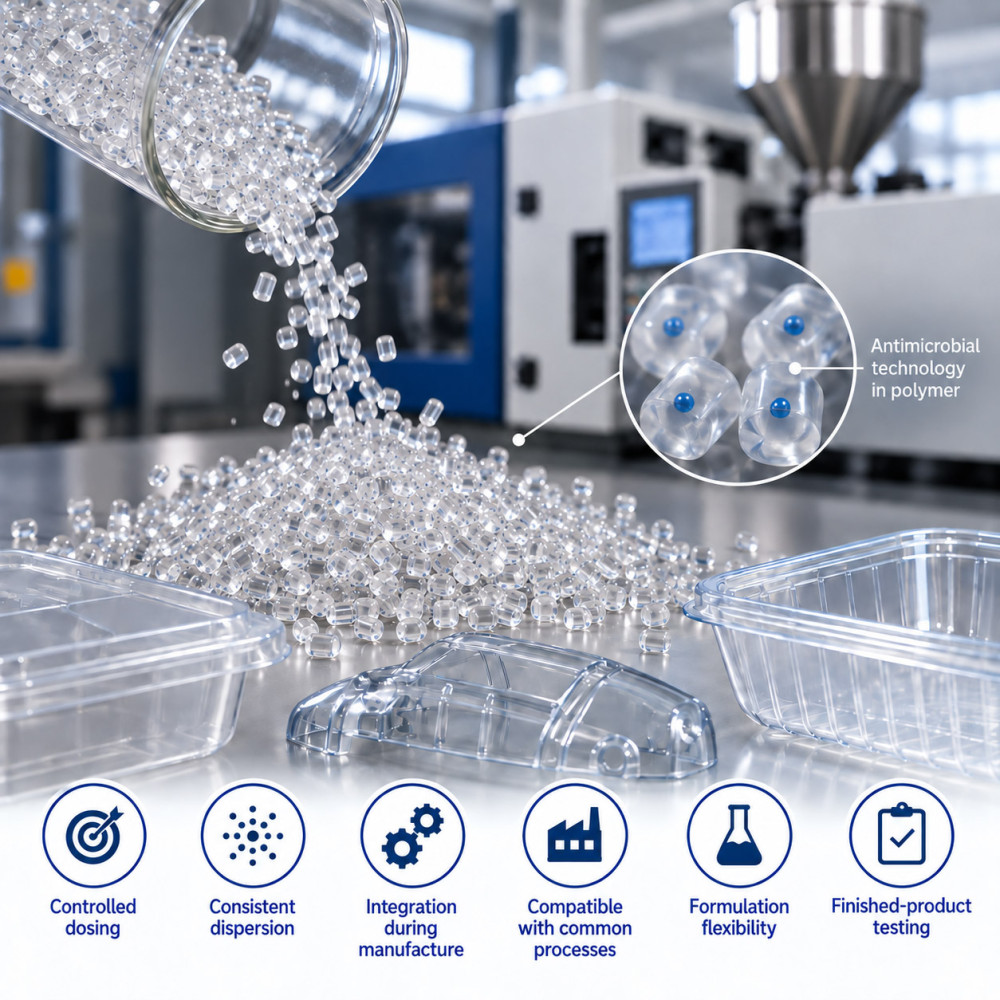
The antimicrobial technology is dispersed within a compatible carrier material and supplied in pellet form so that it can be dosed into the base polymer during processes such as injection moulding, extrusion or blow moulding.

The correct masterbatch depends on the polymer, processing conditions, manufacturing method and intended application. Addmaster develops Biomaster antimicrobial formulations around the finished product and production process rather than treating antimicrobial technology as a one-size-fits-all additive.
Understanding Masterbatch and Its Role

A masterbatch is a concentrated formulation in which an additive is dispersed within a carrier material, allowing it to be incorporated accurately and consistently into a base polymer during manufacture.

When the functional additive is antimicrobial, the result is an antimicrobial masterbatch. For Biomaster applications, the formulation is selected around the polymer, processing temperature, manufacturing method and required performance of the finished treated product.

The carrier system is important. A masterbatch suitable for one polymer family should not automatically be assumed to be suitable for another, so compatibility needs to be assessed as part of the development process.

Antimicrobial_Nanoparticles_Attacking_Bacteria_45633.jpg

The Science: How It Works

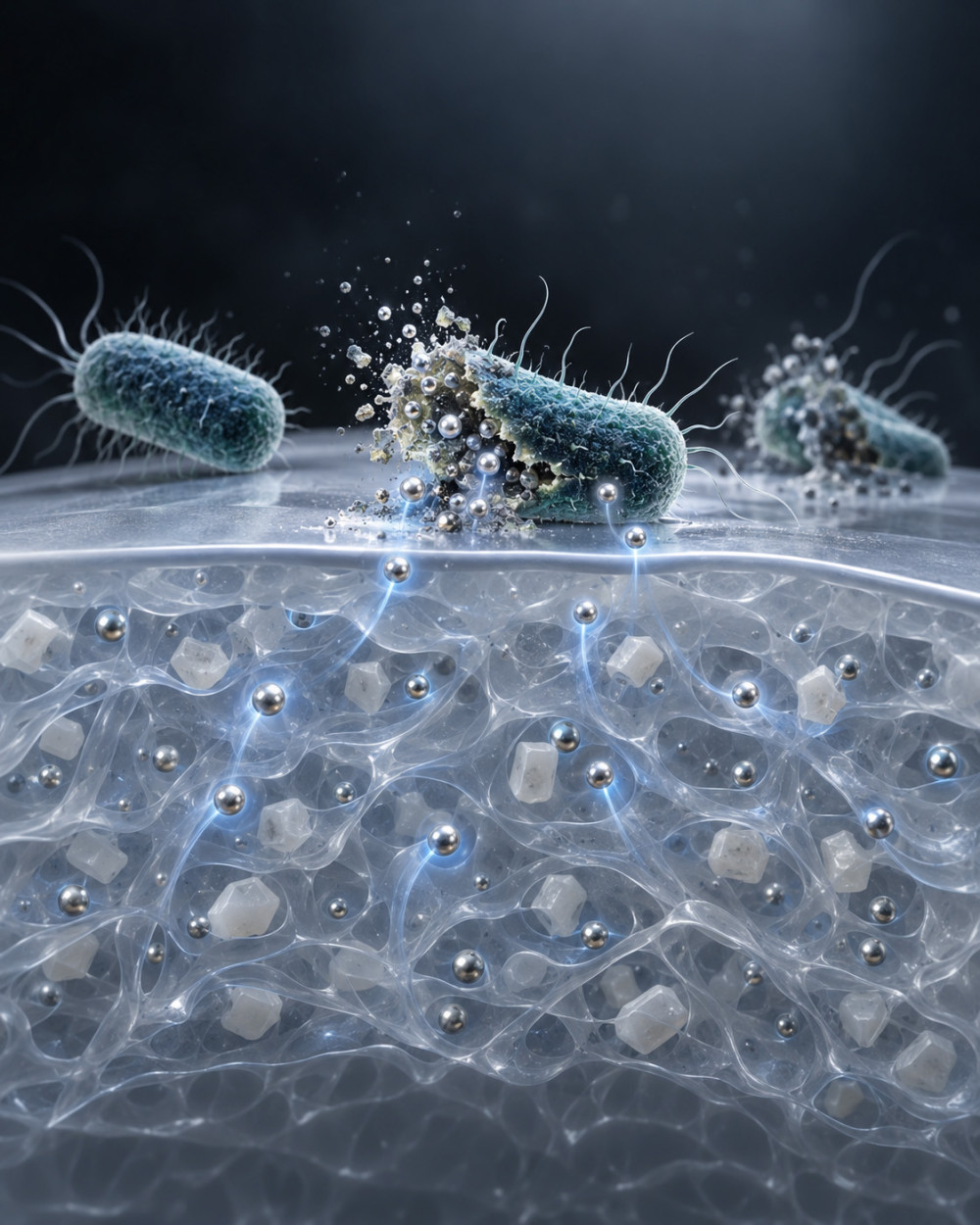
Biomaster antimicrobial masterbatch incorporates silver-ion antimicrobial technology into the polymer during manufacture.

Once incorporated into the treated material, silver ions act against susceptible microorganisms by interfering with several essential cellular processes. They can disrupt the cell wall, interfere with energy production and inhibit replication.

Because the antimicrobial technology is incorporated into the material rather than applied as a temporary surface treatment, it forms part of the finished product.

Performance should be demonstrated on representative samples of the finished treated material using an appropriate test method.

Typical mechanisms include:

  • Disruption of the microbial cell wall
  • Interference with cell activity and energy production
  • Inhibition of replication

When microbes land on treated surfaces, these embedded agents target their cellular structure, blocking energy generation, inhibiting replication, and causing cell disruption, resulting in persistent microbial defense. The additive remains locked in, resistant to wear, and maintains aesthetics, transparency, and recyclability.

Antimicrobial_Polymer_Pellet_Manufacturing_675853.jpg

Why Use an Antimicrobial Masterbatch?

For suitable thermoplastic applications, masterbatch can provide a practical and controlled method of incorporating antimicrobial technology during manufacture.

  • Controlled dosing into the base polymer
  • Consistent dispersion of the antimicrobial technology
  • Integration during manufacture rather than as a separate post-treatment
  • Compatibility with common polymer-processing methods such as injection moulding and extrusion
  • Formulation flexibility around the polymer, process and finished application
  • Finished-product testing to demonstrate performance on the treated material

Masterbatch is not automatically the correct format for every application. Depending on the material and production process, Addmaster can also develop powder or liquid formulations.

Transparent_Polymer_Pellets_in_Modern_Laboratory_546778358.jpg

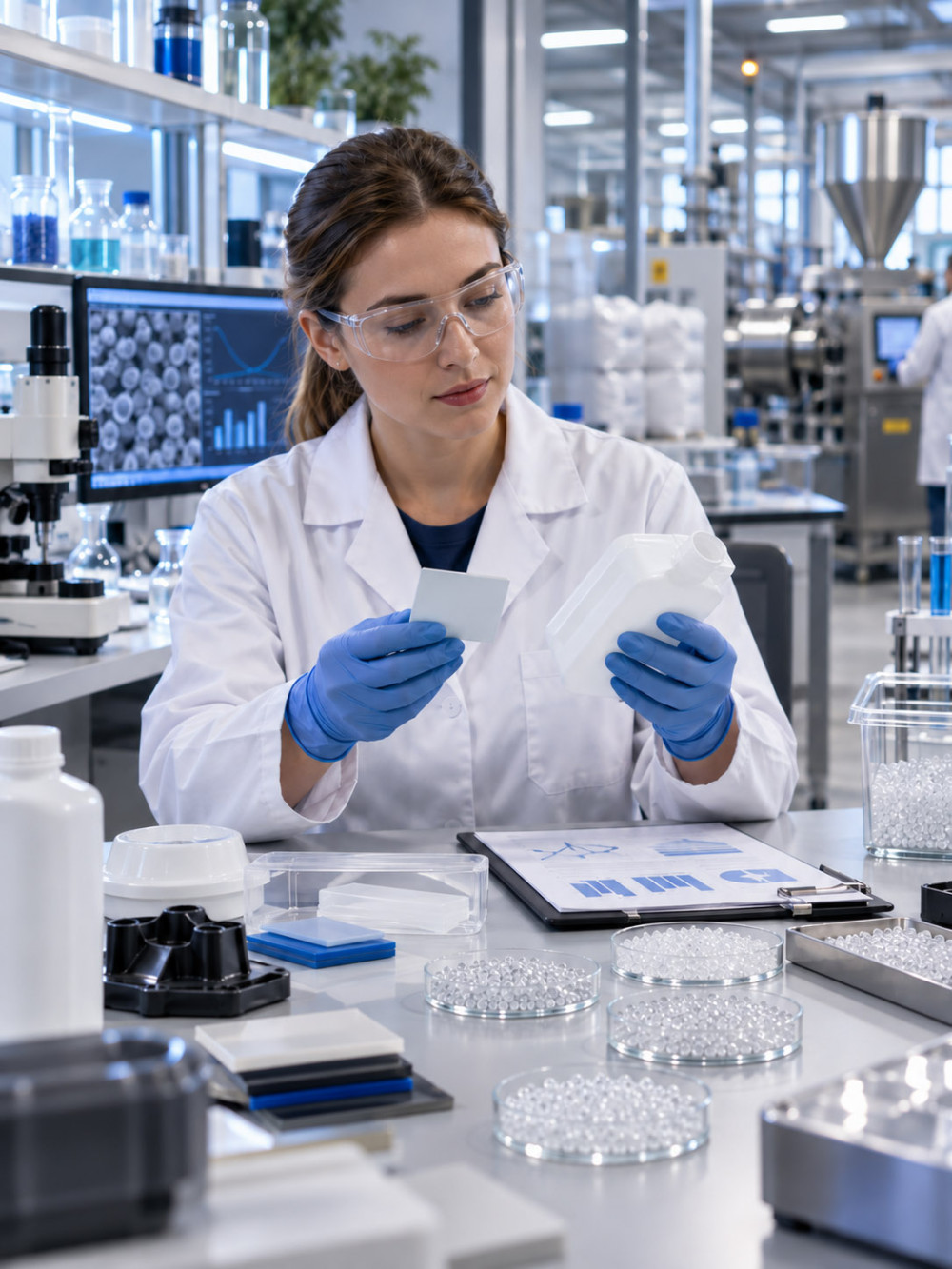
Why Develop Your Antimicrobial Masterbatch with Addmaster?

Choosing an antimicrobial masterbatch supplier also means choosing the technical support behind the formulation.

Addmaster works with manufacturers to assess the polymer, manufacturing process and finished application before recommending the most appropriate Biomaster formulation.

Application assessment
Review of polymer type, manufacturing process, processing conditions and end use.

Formulation selection
Selection or development of an appropriate carrier and antimicrobial formulation.

Manufacturing support
Guidance during laboratory and production-scale trials.

Finished-product testing
Support with appropriate testing of the actual treated material.

Regulatory review
Consideration of intended market, application and finished-product claims.

Commercial support
Technical, regulatory and marketing support through development and launch.

Polymer_Materials_Lab_Still_Life_46545.jpg

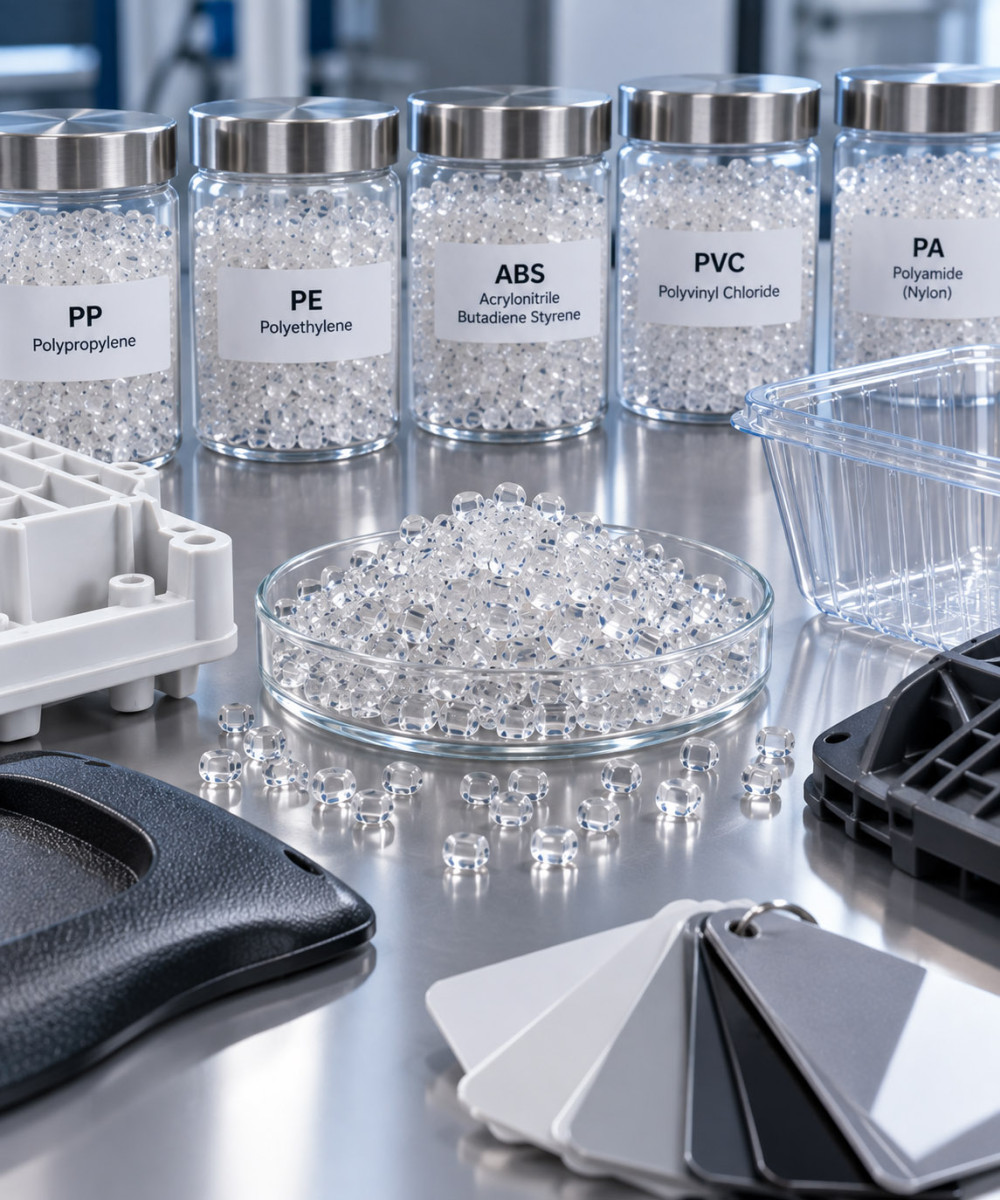
Which Polymers Can Use Antimicrobial Masterbatch?

Antimicrobial masterbatch can be developed for a range of suitable thermoplastics, but the formulation needs to be compatible with the specific polymer and manufacturing process.

Factors Addmaster considers include:

  • Polymer family and grade
  • Carrier compatibility
  • Processing temperature
  • Pigments and colour requirements
  • Fillers and other additives
  • Mechanical and visual requirements
  • Intended market and application
  • Required antimicrobial performance

Suitable applications may include polypropylene, polyethylene, ABS, PVC and selected engineering polymers, subject to assessment of the specific grade and processing conditions.

Plastic_Pellet_Dosing_Line_452634.jpg

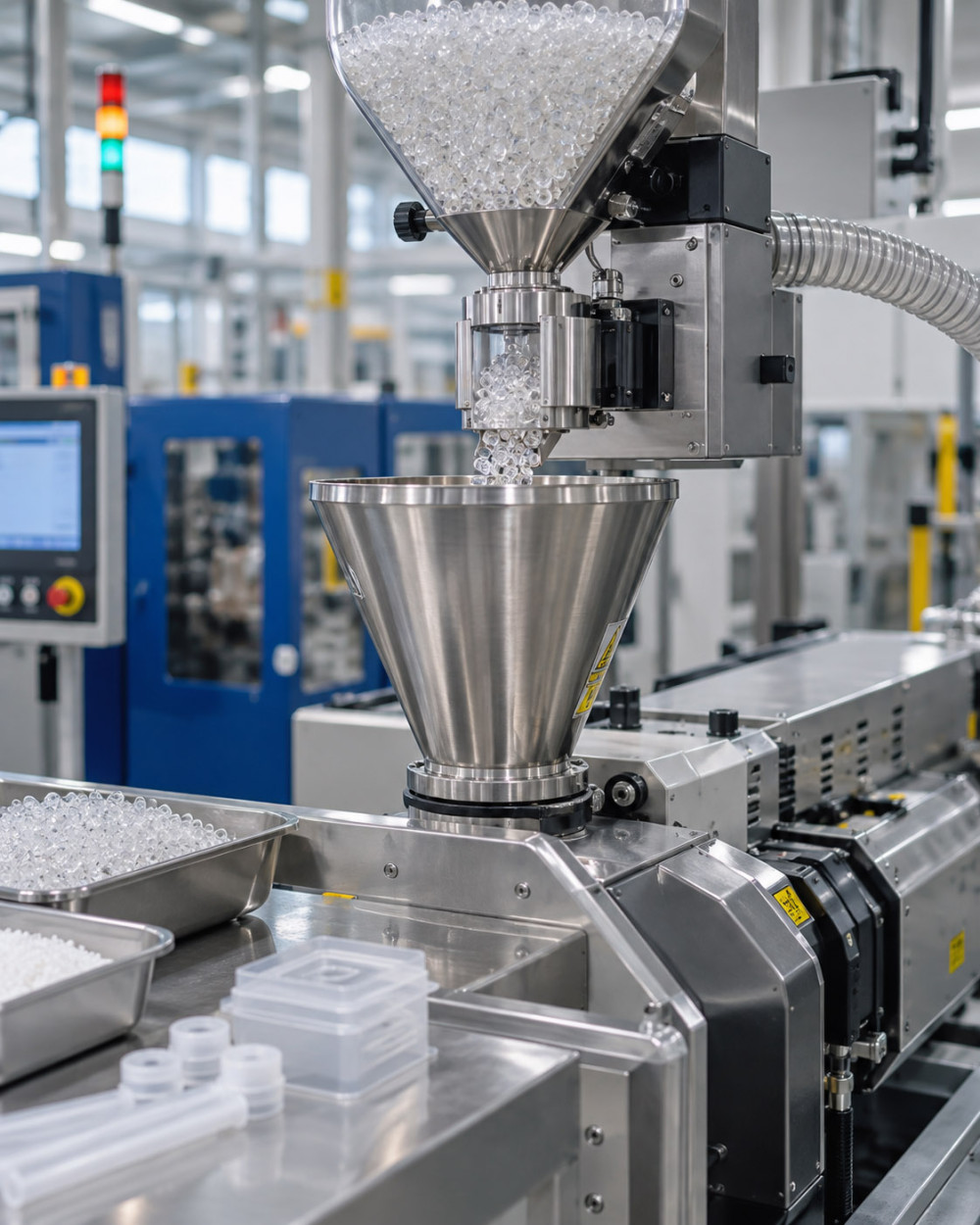
How Is Antimicrobial Masterbatch Used in Manufacturing?

For suitable applications, antimicrobial masterbatch is dosed into the base polymer during manufacture so the antimicrobial technology becomes incorporated into the finished material.

Depending on the process, this may include:

  • Injection moulding
  • Extrusion
  • Blow moulding
  • Compounding
  • Other thermoplastic processing methods

The addition rate, carrier system and method of incorporation should be established for the specific polymer, processing conditions and finished application rather than assumed from another material or product.

Factors such as processing temperature, residence time, existing additives, pigments and the required properties of the finished component may all influence formulation selection.

Production trials are an important part of development because they allow the formulation to be evaluated under representative manufacturing conditions before full-scale production. This helps confirm compatibility with the process and provides suitable finished samples for subsequent performance testing.

Biomaster_antimicrobial_plastics_FAQ_944422.png

Antimicrobial Masterbatch FAQs

Yes. Suitable formulations can be incorporated during injection moulding, subject to polymer compatibility, processing temperature and the finished-product requirements.

Yes. Antimicrobial masterbatch can be developed for suitable extrusion applications where the polymer, processing conditions and finished construction are compatible.

Addition rates vary by formulation, polymer and required performance. The correct dosing level should be established for the specific application.

The complete treated formulation should be assessed during development. Colour, appearance, mechanical properties and other product requirements should be checked during trials.

The appropriate method depends on the finished material and application. For antibacterial performance on plastics and other non-porous surfaces, ISO 22196 is commonly used.

Yes. Addmaster can develop formulations around the polymer, manufacturing process, processing conditions and finished-product requirements.

From Polymer to Finished Product

Developing an antimicrobial plastic product involves more than selecting an additive.

Addmaster works with manufacturers from initial application assessment through formulation, production trials, finished-product testing and regulatory review.

By considering the polymer, manufacturing process and finished application together, the aim is to develop an antimicrobial solution that fits the way the product is actually made and used.

Contact our experienced team to find out more

Discuss Your Polymer Application