Addmaster_antimicrobial_packaging_header_88933.jpg

Antimicrobial Additives for Packaging

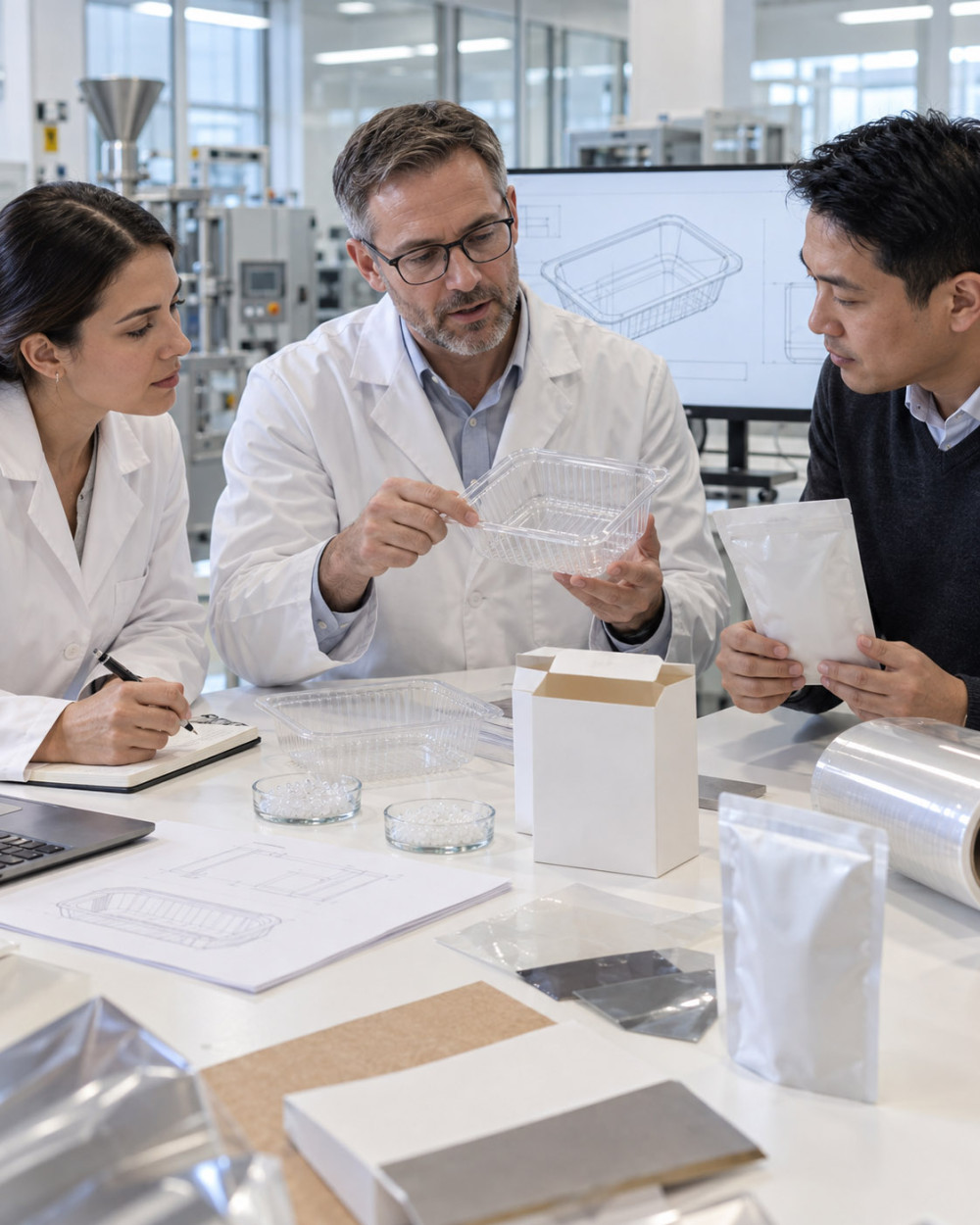
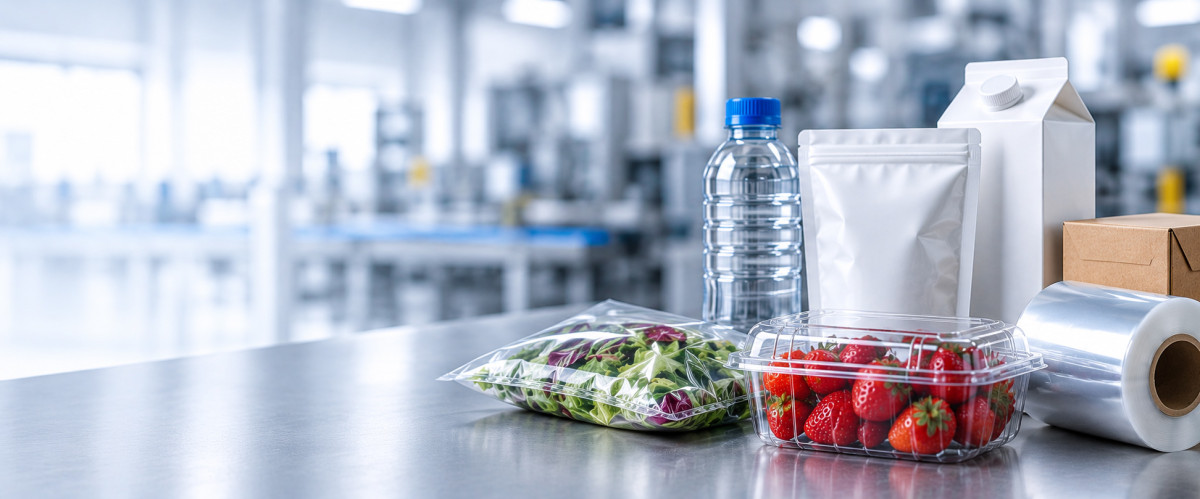
Develop antimicrobial packaging with Biomaster from Addmaster. We work with packaging manufacturers, converters and brands to help incorporate antimicrobial additives into suitable plastics, flexible films, paper, board, coatings and other packaging materials.

Whether you are developing a rigid container, flexible pouch, closure, dispenser, carton or reusable packaging component, the right solution starts with understanding the material, manufacturing process and intended use.

Addmaster can support you from initial application assessment and additive selection through manufacturing trials, finished-product testing and regulatory review, helping you develop packaging with antimicrobial product protection built into the treated material.
Addmaster_antimicrobial_packaging_48348735.jpg

What is Antimicrobial Packaging?

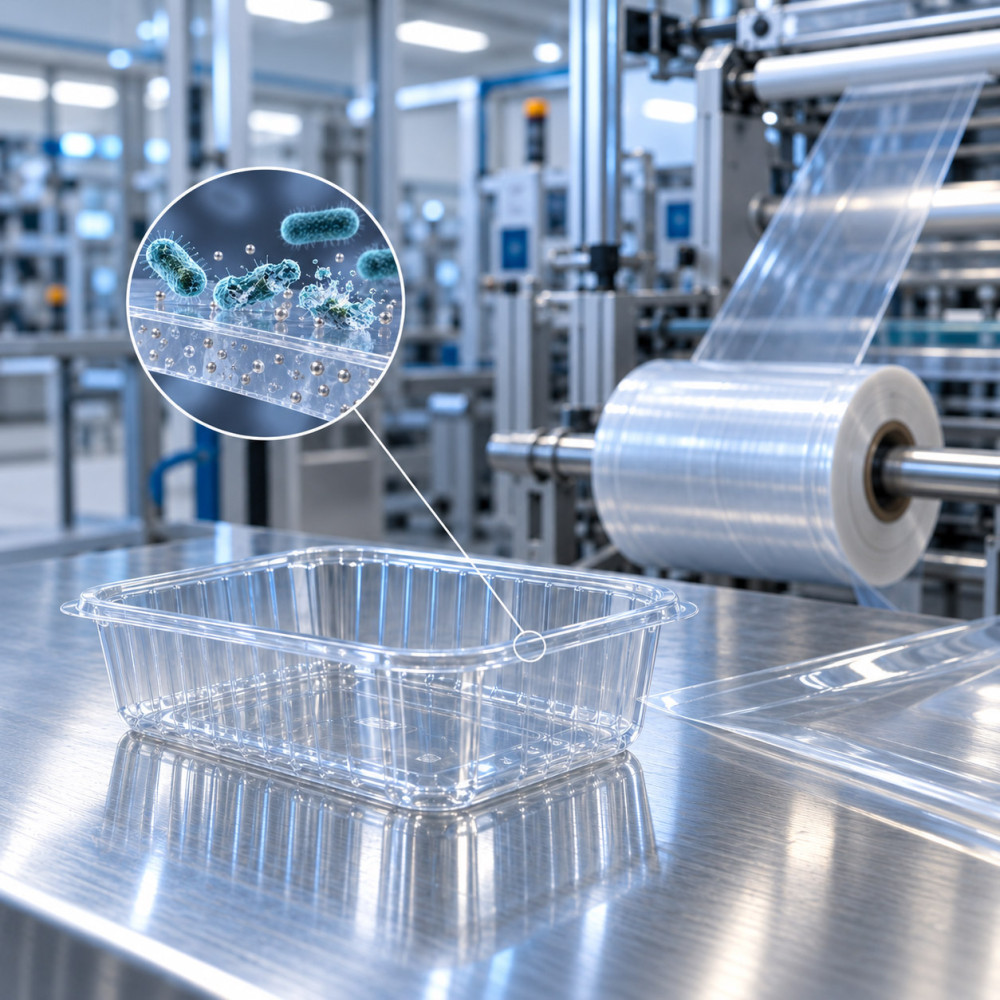
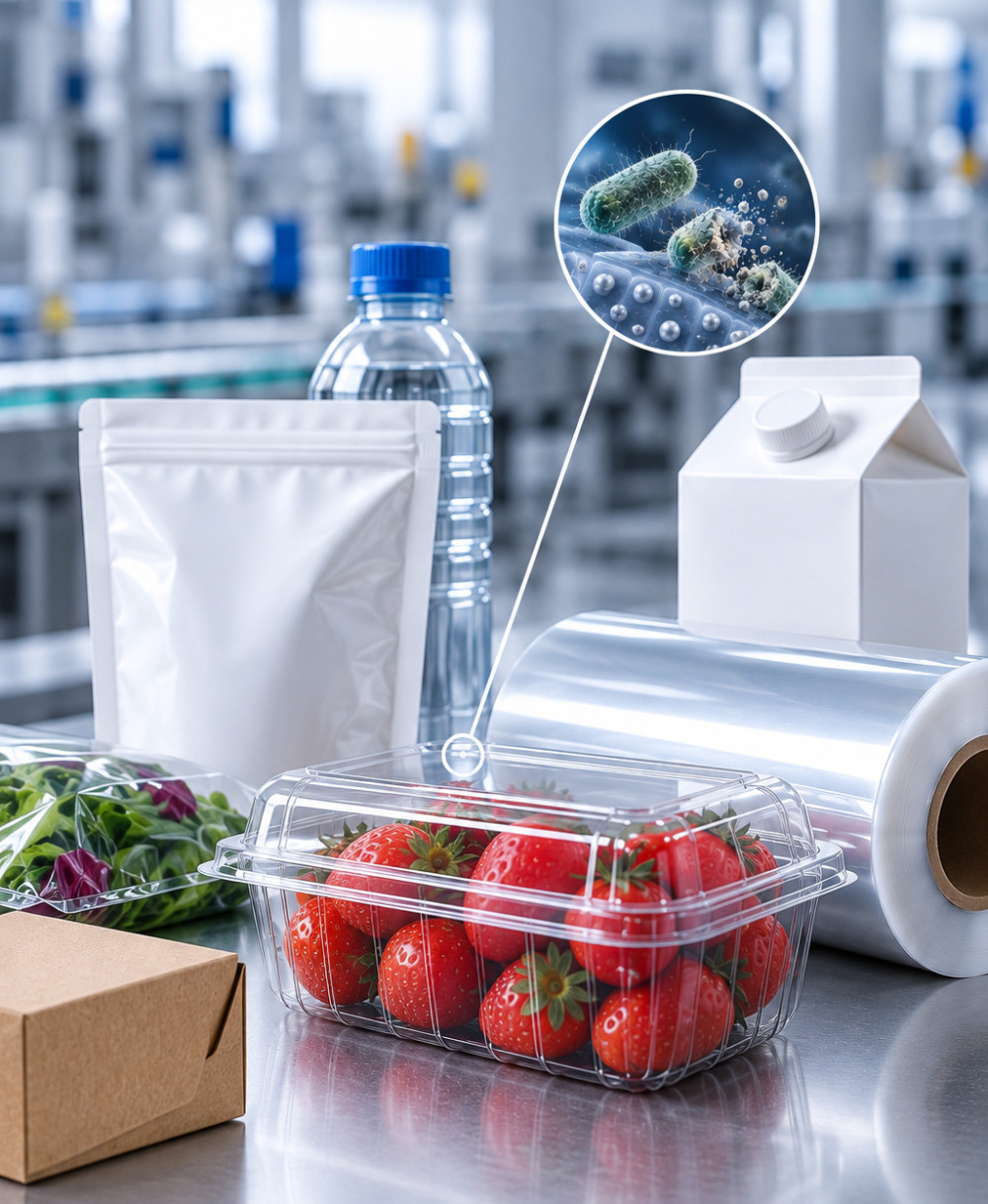
Antimicrobial packaging is packaging in which an antimicrobial technology has been incorporated into, or applied to, a suitable packaging material to inhibit the growth of susceptible microorganisms on the treated surface.

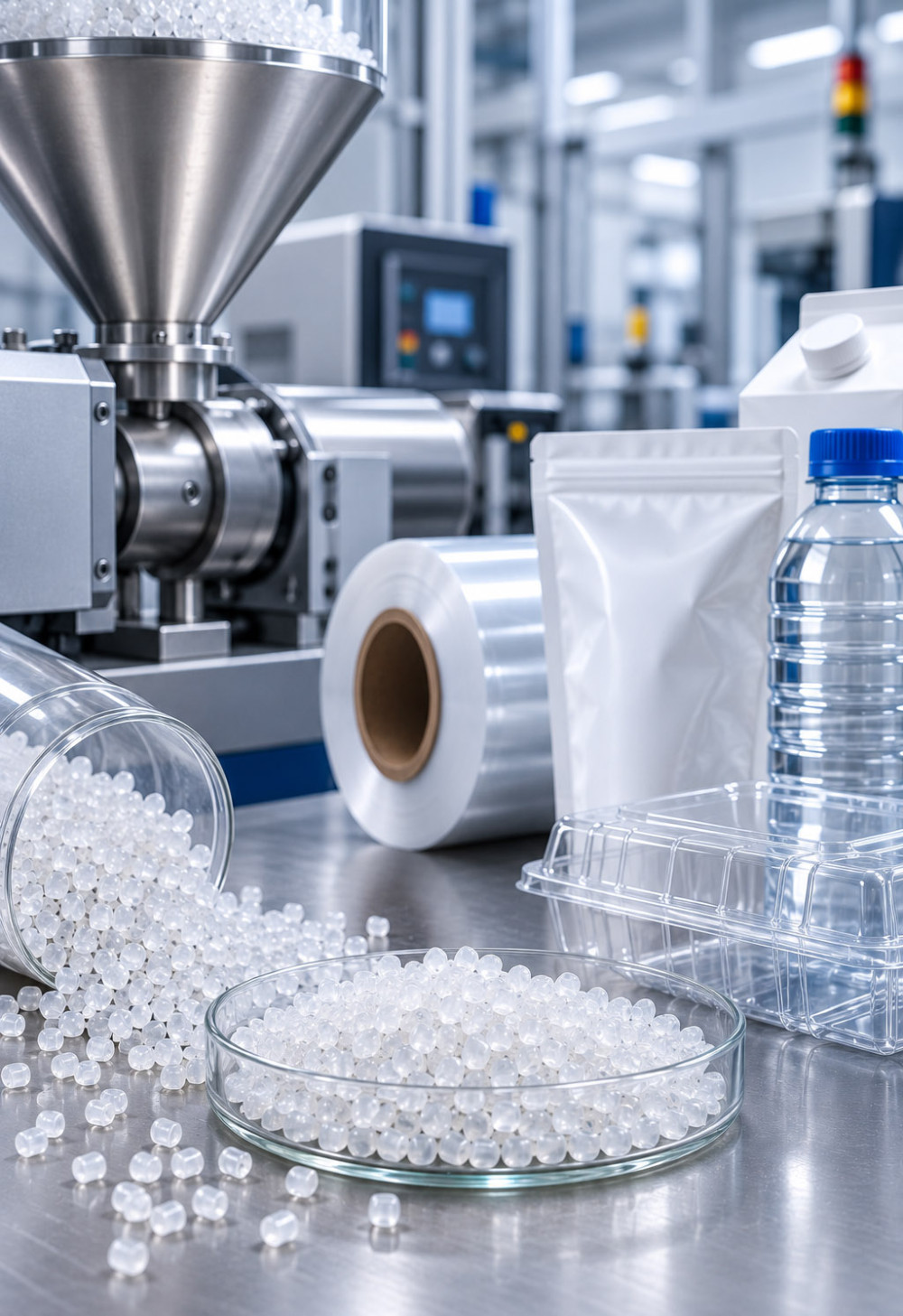
Depending on the packaging format, the antimicrobial additive may be incorporated directly into a polymer during manufacture, introduced into a paper or board material, or included within a suitable coating.

Antibacterial packaging specifically refers to packaging designed to inhibit bacterial growth. Antimicrobial is a broader term that may include activity against bacteria and certain fungi, depending on the formulation selected and the supporting test evidence.

For manufacturers, the important question is not simply whether a package can contain an antimicrobial additive. It is which component should be treated, why microbial growth matters on that surface and how the technology can be incorporated without compromising the existing packaging specification.

Biomaster provides product protection for the treated material. It does not make packaging sterile and does not replace appropriate cleaning, handling, storage or hygiene procedures.

Antimicrobial_packaging_examples_masterbatch_3983434.jpg

Antimicrobial Packaging Additives

Biomaster is Addmaster's antimicrobial additive technology for manufacturers looking to incorporate antimicrobial functionality into suitable materials during production.

Rather than applying a temporary treatment after manufacture, Biomaster can be engineered into the packaging material itself where the application and production process allow.

The appropriate antimicrobial packaging additive depends on factors including:

  • Packaging material
  • Manufacturing process
  • Packaging construction
  • Component being treated
  • Processing temperature
  • Required physical properties
  • Intended market
  • Regulatory requirements
  • Target microorganisms
  • Anticipated service life
  • Testing requirements
  • Claims required for the finished product

Addmaster works with manufacturers to establish these requirements before recommending a formulation and development route.

antimicrobial_packaging_how_biomaster_works_83342.jpg

How Biomaster Works in Packaging

Biomaster uses silver-ion technology to interfere with essential functions in susceptible microbial cells.

Silver ions can disrupt cell membranes, affect enzymes and energy production and interfere with replication. Together, these actions inhibit microbial growth on the treated packaging material.

Because the technology is incorporated into the material or an appropriate coating, the antimicrobial function can become an integral feature of the treated packaging component.

The formulation, incorporation method and addition rate must be selected around the particular packaging material and manufacturing process.

Finished-product testing is then used to establish the performance of the actual treated component rather than relying solely on the properties of the additive itself.

Antimicrobial_packaging_materials_admmaster_84333.jpg

Packaging Materials

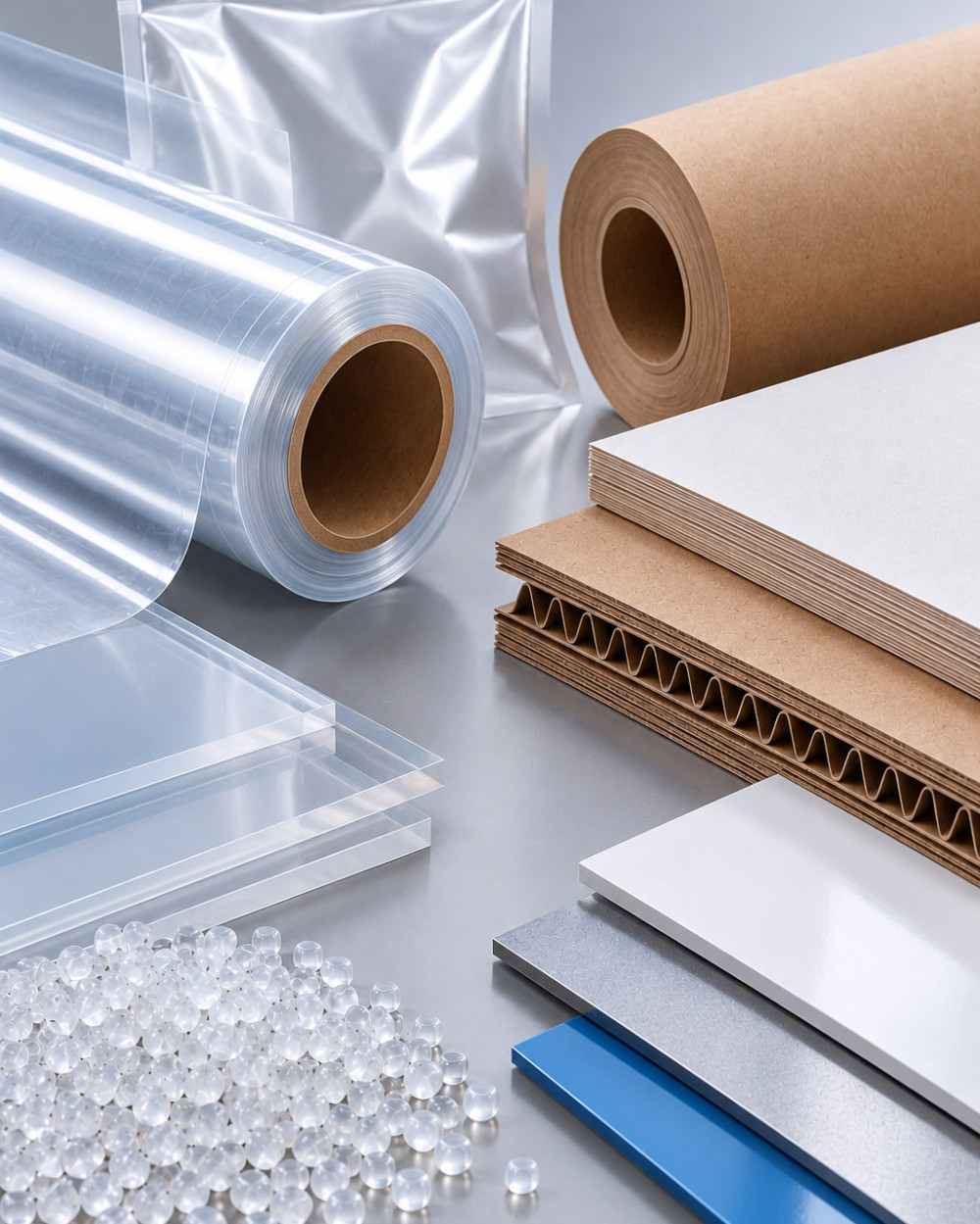
Packaging can involve several different material families, each requiring a different approach to antimicrobial incorporation.

Plastic Packaging
Biomaster can be incorporated into suitable polymers used for rigid containers, trays, bottles, closures, dispensers and reusable packaging.

Explore antimicrobial additives for plastics

Flexible Film Packaging
Biomaster can be incorporated into suitable flexible films used for bags, pouches, liners, wraps and lidding applications.

Explore antimicrobial additives for flexible films

Paper and Board Packaging
Suitable paper, carton and board applications can incorporate antimicrobial technology during manufacture or through an appropriate coating.

Explore antimicrobial additives for paper and board

Coated Packaging Materials
For applications where antimicrobial functionality is required at the surface, incorporation into a suitable coating may provide an alternative route.

Explore antimicrobial additives for paints and coatings

antimicrobial_packaging_elements_addmaster_materials_8433.jpg

Where Can Antimicrobial Technology Be Used in a Packaging System?

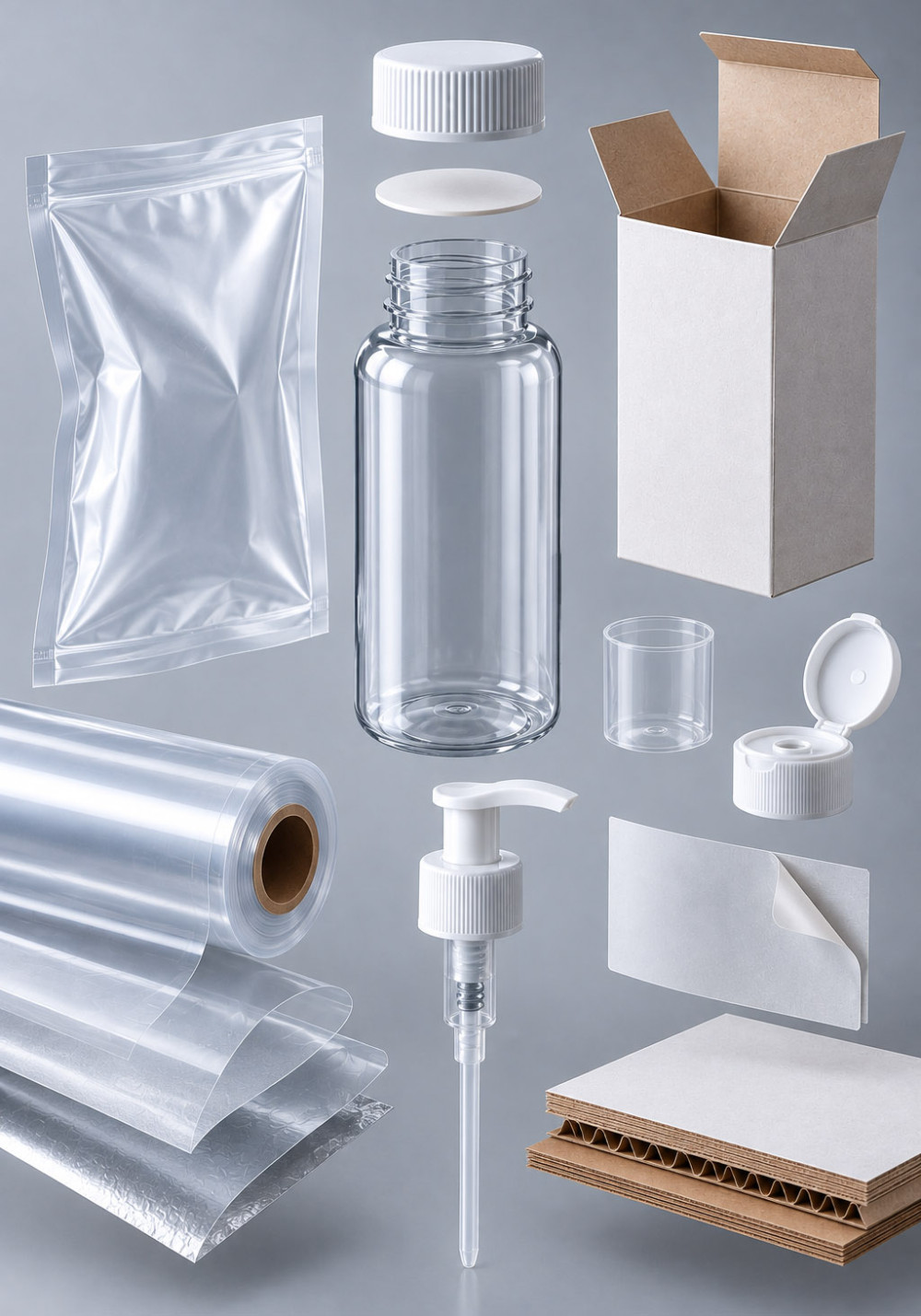
Packaging is rarely a single material. A finished package may include a rigid container, flexible film, closure, seal, liner, dispenser, printed label, sleeve or secondary packaging component.

Each component can have a different material composition, manufacturing process and regulatory requirement. That means an effective antimicrobial packaging solution should begin by identifying exactly where antimicrobial functionality is required.

For example, a packaging development project might involve:

Rigid container - A moulded polymer component manufactured by injection moulding or blow moulding.

Closure or lid - A separate polymer grade and production process from the main container.

Flexible film - A single-layer or multilayer film requiring careful consideration of the layer and surface being treated.

Dispenser or applicator - A component manufactured from a different polymer or using a different production process.

Carton or sleeve - A paper or board component that may require a different antimicrobial incorporation method entirely.

Addmaster can assess each part of the packaging system independently rather than assuming that one formulation or incorporation method is appropriate for every component.

Addmaster_Packaging_Materials_Lab_Workspace.jpg

Antimicrobial Additives for Packaging Manufacturers

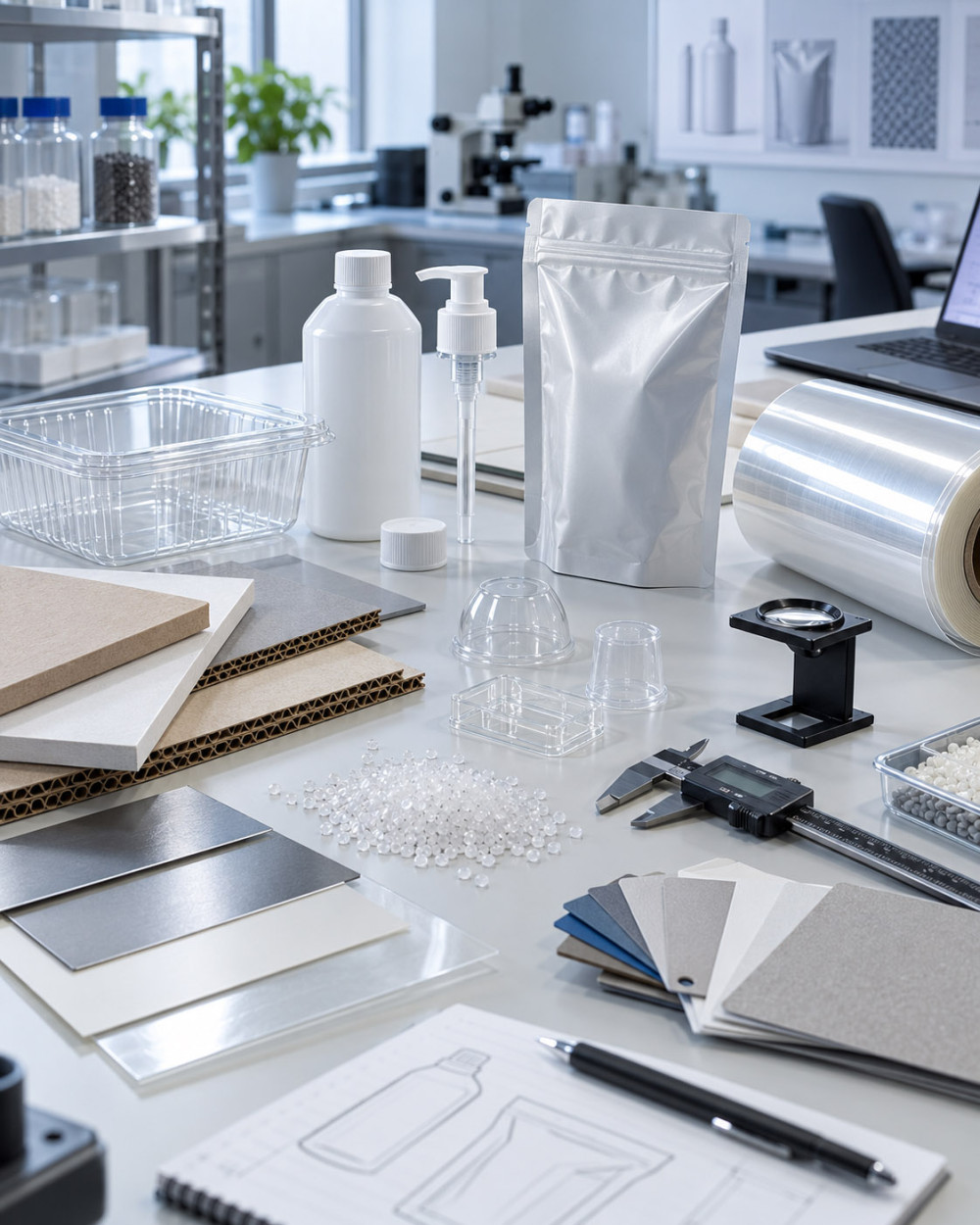
Selecting an antimicrobial additive supplier involves more than choosing an active technology. The additive must work with the material, manufacturing conditions and performance requirements of the finished package. At the start of a project, we typically look at:

The Packaging Component - Which exact surface or component requires antimicrobial product protection?

The Material - Is the component manufactured from PE, PP, PET, another polymer, paper, board, coating or a more complex material construction?

The Manufacturing Process - How is the component produced and at what processing conditions?

The Intended Benefit - Why is microbial growth relevant to the treated surface and what measurable product benefit is required?

The Market - Where will the finished packaging be sold and what regulatory requirements apply?

The Evidence Required - Which finished-product tests will be needed to substantiate the intended performance and communications?

Considering these questions together helps establish a practical development specification before formulation work begins.

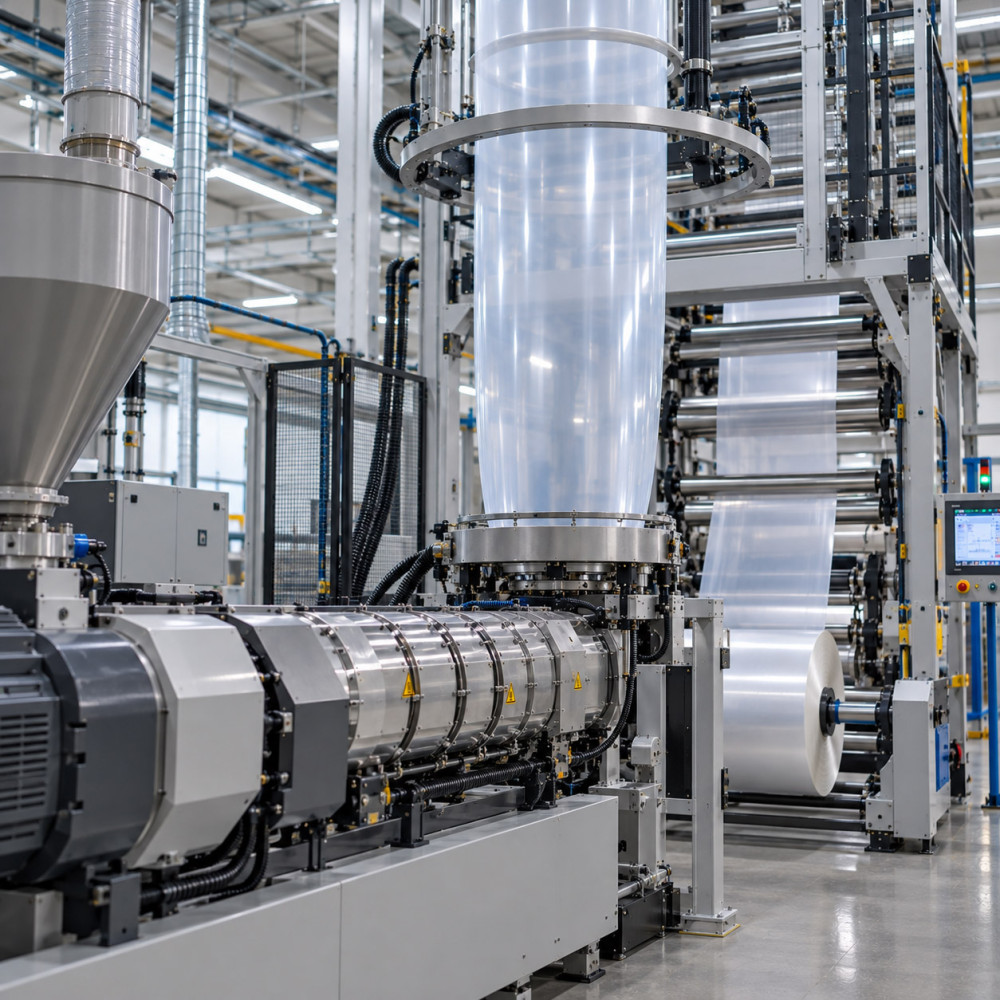
Addmaster_antimicrobial_packaging_blow_moulding_machine_432434.jpg

Manufacturing Processes

Biomaster formulations can be developed for a range of suitable packaging manufacturing processes. Depending on the material and application, these may include:

  • Injection moulding
  • Blow moulding
  • Extrusion
  • Blown film extrusion
  • Cast film extrusion
  • Thermoforming
  • Paper and board manufacture
  • Coating processes
  • Converting processes

Processing temperature, residence time, material composition, layer structure and downstream finishing operations can all influence additive selection.

Our technical team can work with your manufacturing team to identify the most appropriate route for your process.

Addmaster_antimicrobial_food_packaging_3938323.jpg

Antimicrobial Food Packaging

Food packaging requires particularly careful consideration because protection of the packaging material and protection or preservation of the packaged food are different objectives.

Biomaster can be considered for suitable packaging components where the objective is to inhibit microbial growth on the treated packaging surface.

This should not automatically be interpreted as extending food shelf life, preserving the packaged contents or changing established food handling requirements.

Where food contact is involved, the intended application, packaging material, market and regulatory requirements must be assessed before commercialisation.

Addmaster's regulatory team can support manufacturers in identifying the considerations relevant to the proposed packaging application and market.

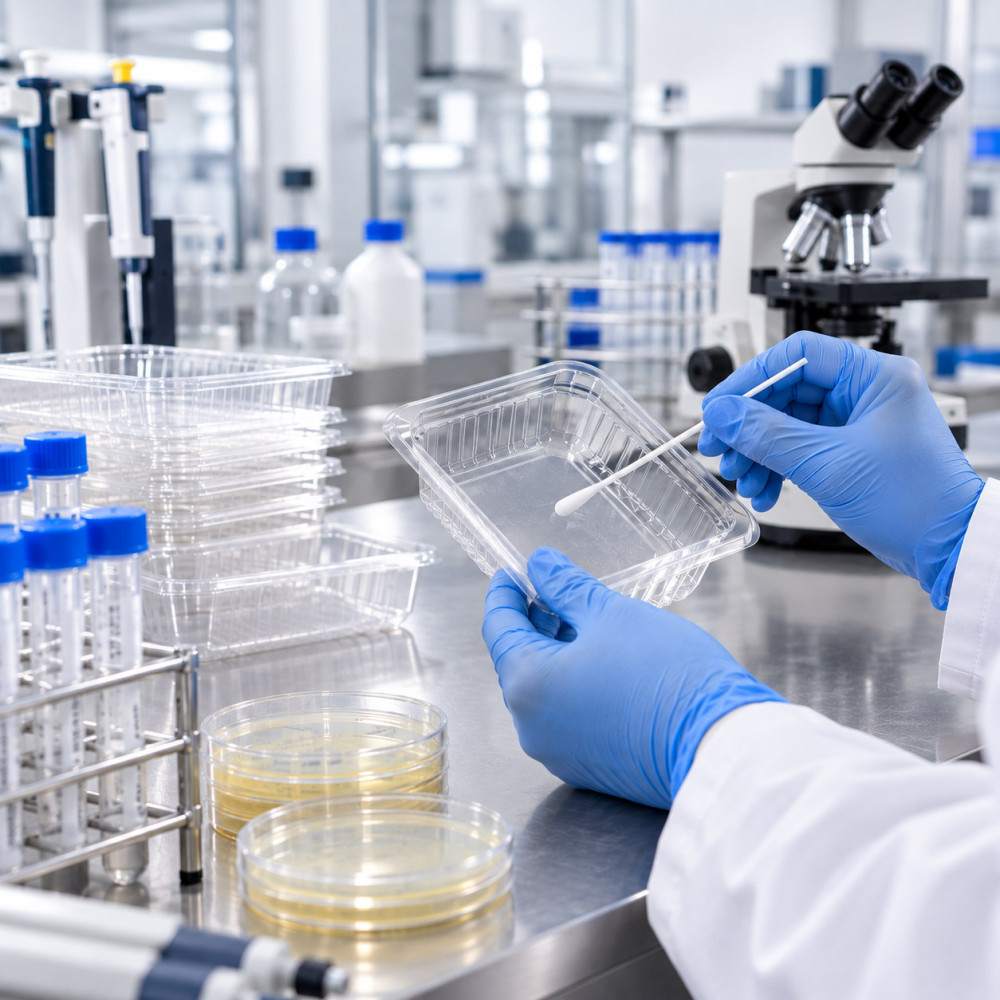
Microbiological_Testing_of_Plastic_Packaging.jpg

Antimicrobial Packaging Testing

Testing should reflect the actual finished material or packaging component wherever possible.

The appropriate method depends on factors including the material, surface, intended function and organisms being assessed.

For suitable non-porous treated materials, methods such as ISO 22196 may be relevant for assessing antibacterial activity.

Other packaging materials, surfaces or intended functions may require a different testing approach.

The development programme should therefore be based on the finished packaging construction rather than applying a single test method automatically to every application.

Addmaster can help establish an appropriate testing programme with independent laboratory support where required.

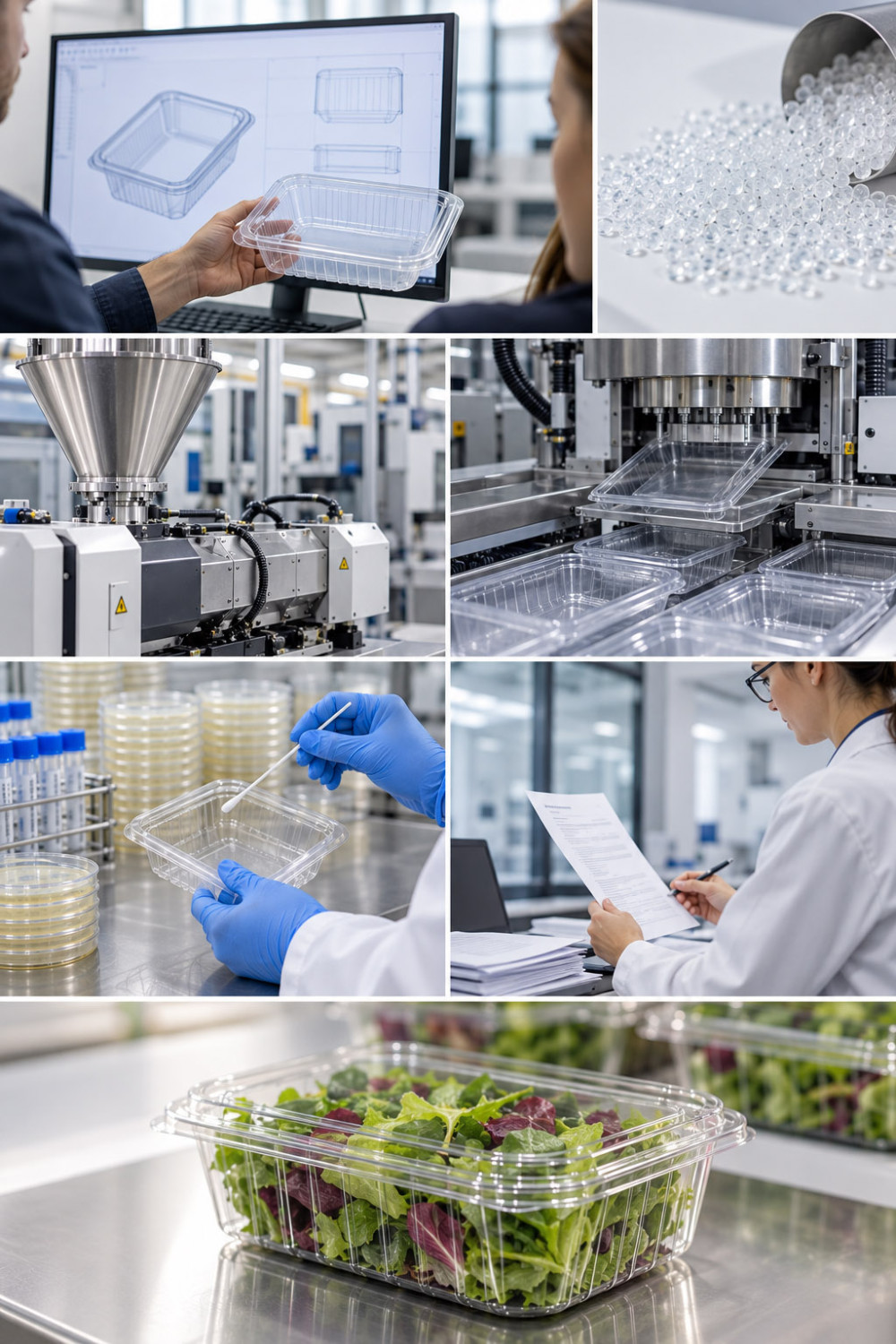
From_Concept_to_Packaged_Freshness.jpg

From Packaging Concept to Finished Product

Addmaster can support packaging manufacturers throughout the development process.

Application Assessment
We review the packaging format, component, material, manufacturing process, intended use and market to establish what the antimicrobial technology needs to achieve.

Formulation Development
An appropriate Biomaster formulation can then be selected or developed around the material, production conditions and required finished-product performance.

Manufacturing Trials
The technology can be evaluated under representative production conditions to confirm compatibility with the manufacturing process.

Finished-Product Testing
Testing is used to assess antimicrobial performance on the actual treated packaging material or component.

Regulatory Review
Our team can help identify regulatory considerations associated with the intended application and markets in which the finished product will be sold.

Product Communication
We can support responsible communication of the antimicrobial feature so that finished-product claims accurately reflect the role of the technology and the available supporting evidence.

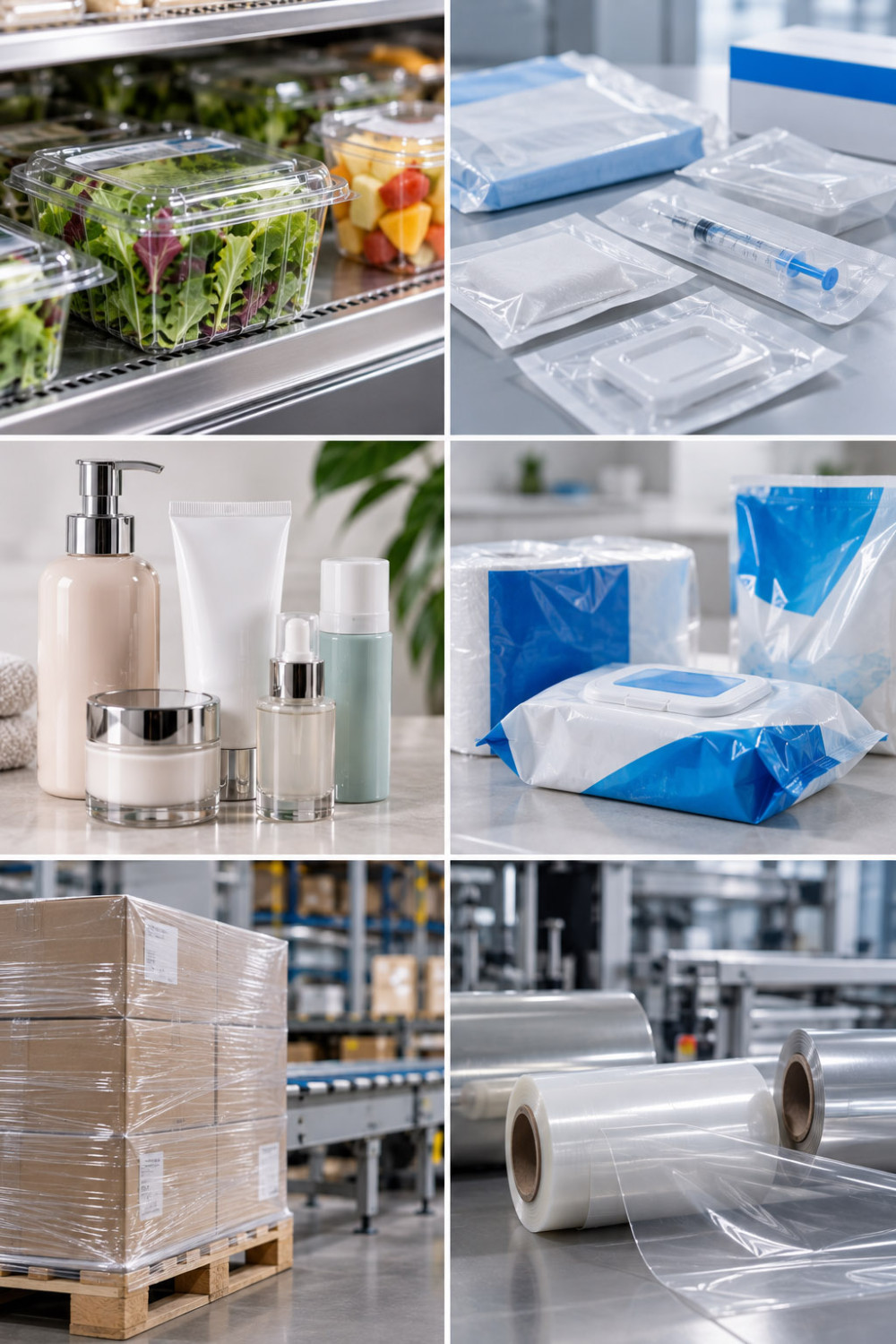
Addmaster_packaging_products_examples_3332225.jpg

Packaging Applications

Biomaster can be considered across a wide range of packaging formats and markets where antimicrobial product protection provides a relevant material benefit. Potential applications include:

Food and Beverage Packaging
Suitable rigid, flexible, paper and board packaging components can be assessed where antimicrobial performance is required on the treated packaging material.

Healthcare and Medical Product Packaging
Packaging components used around healthcare and medical products can involve plastics, films, coated materials and paper-based structures with different technical and regulatory requirements.

Personal Care and Cosmetics Packaging
Bottles, closures, dispensers, applicators and other packaging components can be evaluated according to their material and manufacturing process.

Consumer Product Packaging
Reusable containers, dispensers, cases and other handled packaging formats can incorporate additional material functionality where appropriate.

Industrial Packaging
Durable containers, protective packaging, liners and other industrial components can be assessed where microbial growth affects the treated material or its required performance.

Reusable Packaging
Reusable packaging systems present different requirements from single-use packaging because the expected service life, handling, cleaning regime and material durability all become part of the development brief.

Addmaster_antimicrobial_packaging_development_434432.jpg

Why Develop Antimicrobial Packaging with Addmaster?

Addmaster specialises in functional additives and works directly with manufacturers to incorporate additional performance into materials during production. Our approach starts with the product rather than a standard off-the-shelf recommendation.

We consider the packaging material, manufacturing process, end use, regulatory environment and intended performance together before defining the development route. Working with Addmaster gives packaging manufacturers access to:

Technical expertise - Support with material compatibility, additive selection, formulation and manufacturing trials.

Application-specific formulations - Biomaster grades can be selected according to the requirements of the material and production process.

Finished-product testing support - We can help establish an appropriate testing programme for the treated packaging component.

Regulatory support - Our team can help assess regulatory considerations associated with the proposed application and intended market.

Marketing and communications support - We can help customers communicate the antimicrobial feature accurately and in line with the supporting evidence.

No licence fees - Addmaster does not charge customers an additional licence fee for using Biomaster technology.

Our Packaging technologies

  • Incorporate antimicrobial functionality into suitable packaging materials during manufacture.

    Biomaster inhibits the growth of susceptible microorganisms on the treated material, with formulation and testing support tailored to the packaging material, manufacturing process and intended application.

    Performance claims should reflect evidence generated for the finished material. Biomaster complements normal cleaning, handling and hygiene practices.

  • Build a covert authentication feature into suitable packaging materials.

    Verimaster uses specialist markers that can be detected using dedicated equipment, providing manufacturers and brands with an additional means of verifying genuine products and packaging.

    Our team can help assess the appropriate marker, incorporation method and detection approach for the packaging application.

  • Incorporate fragrance into suitable plastic packaging components during manufacture.

    Scentmaster fragrance masterbatches can be developed around the polymer, manufacturing conditions and required fragrance profile.

  • Develop a custom additive solution around a particular packaging requirement.

    Masterpiece combines Addmaster's formulation and application expertise to investigate functions that may not be addressed by a standard additive product.

Addmaster case studies

View our case studies
  • Cedo Food Preparation
    • Biomaster
    • Verimaster
    • Scentmaster
    Cedo Food Preparation
  • EBi
    • Biomaster
    • Verimaster
    EBi
  • James Cropper
    • Biomaster
    James Cropper

Find out how Addmaster can add value and performance to your products

Discuss Your Application