

Antimicrobial Additives for HVAC Components
Build antimicrobial product protection into suitable HVAC plastics and coatings with Biomaster from Addmaster.
We support equipment manufacturers, component suppliers and coating formulators with additive selection, manufacturing trials and testing for their intended application.
Built-In Protection for Treated HVAC Surfaces
Antimicrobial additives are incorporated into materials to inhibit the growth of microorganisms on the treated surface. In HVAC manufacturing, this means considering protection at the component level: the plastic part, coating or other material in which the additive is incorporated.
Biomaster antimicrobial technology inhibits microbial growth on treated materials. The formulation, incorporation method and supporting tests are selected around the application.
This gives manufacturers a route to developing antimicrobial functionality within a product specification. Its role is to protect the treated material; it does not replace drainage, moisture management, filtration, cleaning or scheduled maintenance.
Which HVAC Components Could Be Considered?
An HVAC assembly contains different materials operating under different conditions. A useful assessment identifies the individual surface requiring protection and why microbial growth is relevant to it.
Potential development areas include the following, subject to material, technical and intended-market assessment.
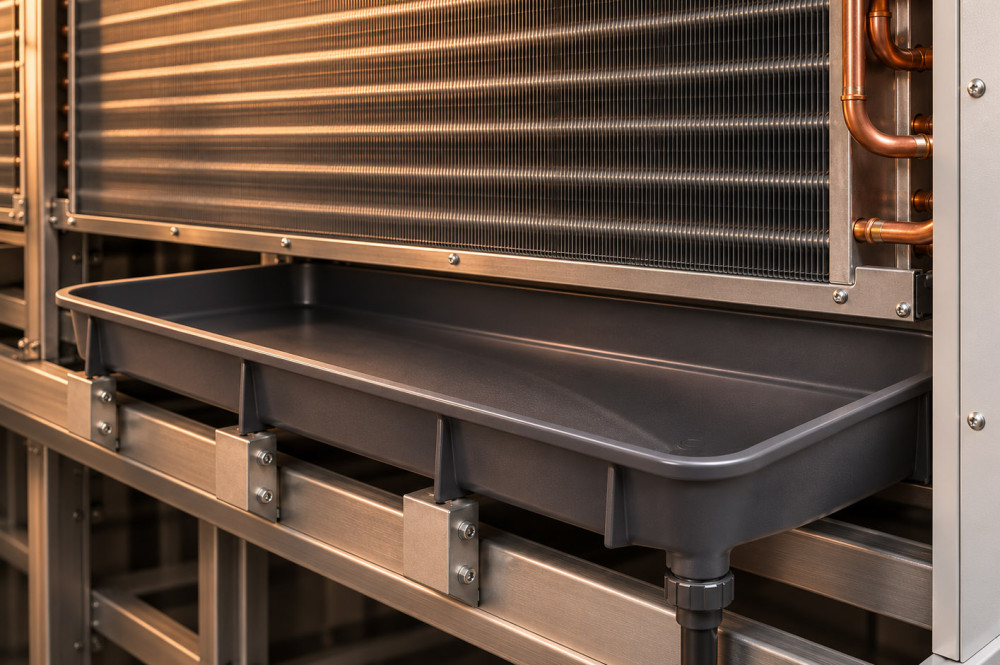
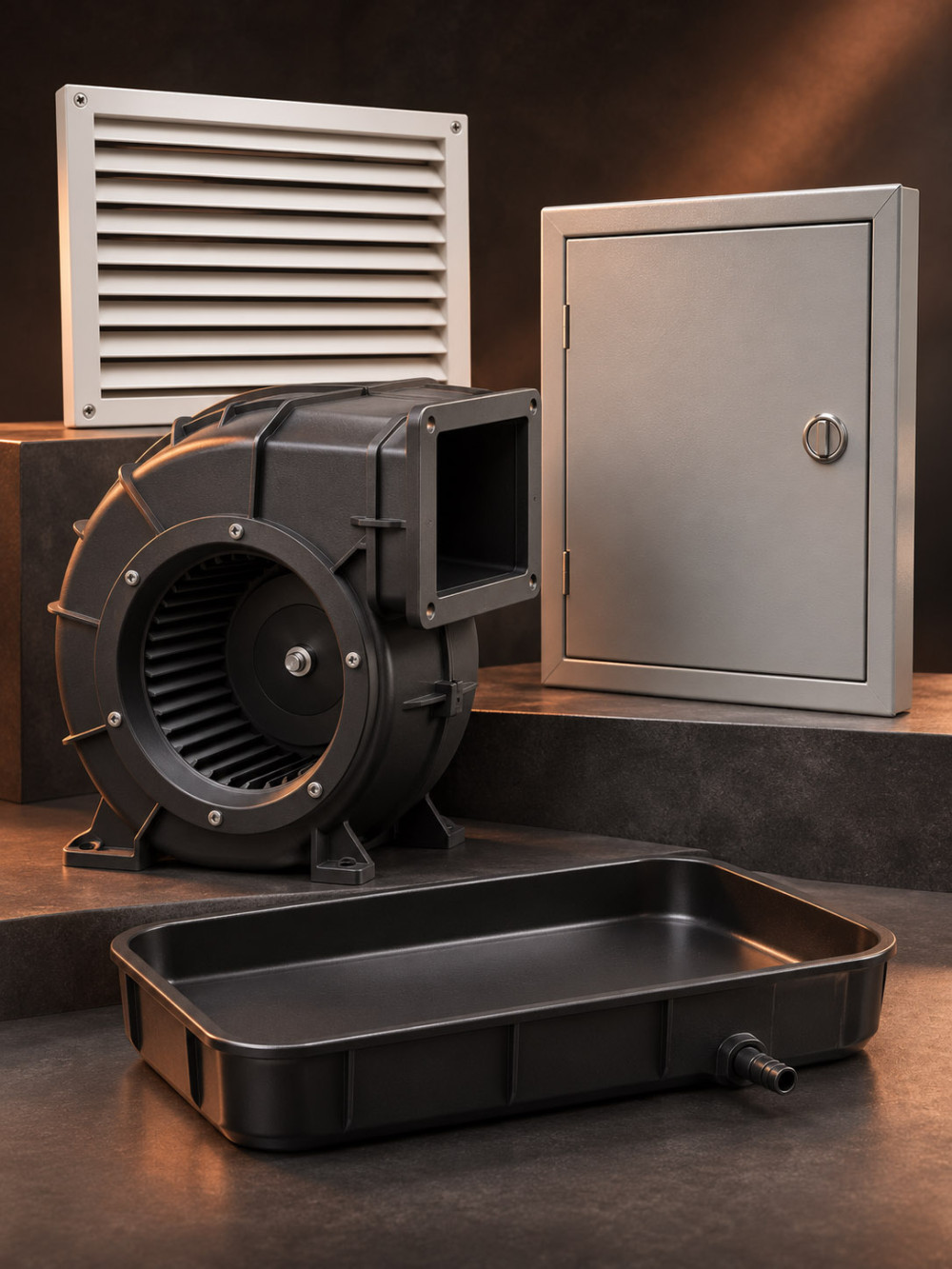
- Condensate Trays, Drain Pans and Reservoirs: For manufacturers considering antimicrobial condensate trays or drain pans, the starting point is the component’s construction and exposure conditions. A development brief should identify the polymer or coating, periods of wetting and drying, cleaning products and expected service temperatures. It should also define the organisms and surface benefit the manufacturer wants to evaluate.
- Moulded Housings and Internal Plastic Components: Selected housings, covers and internal polymer parts may offer opportunities to incorporate an additive during manufacture. The assessment should consider the polymer grade, processing conditions, colour and other additives, together with the mechanical and functional requirements of the finished part. A component must continue to meet its specification after treatment.
- Coated Panels and Component Surfaces: Suitable factory-applied coatings provide another development route for manufacturers considering antimicrobial functionality on HVAC component surfaces. The coating system, substrate preparation, application method and curing conditions all belong in the assessment. Antimicrobial performance should be evaluated alongside the coating properties required for its intended use.
- Grilles, Diffusers and Access Components: Accessible components can also be considered where there is a defined customer requirement for antimicrobial surface protection.
Explain how the component is handled, cleaned and used. These details help establish whether antimicrobial functionality has a relevant purpose and how it should be tested.
Antimicrobial Plastics for HVAC Manufacturers
Developing antimicrobial HVAC plastics begins with the material and manufacturing process.
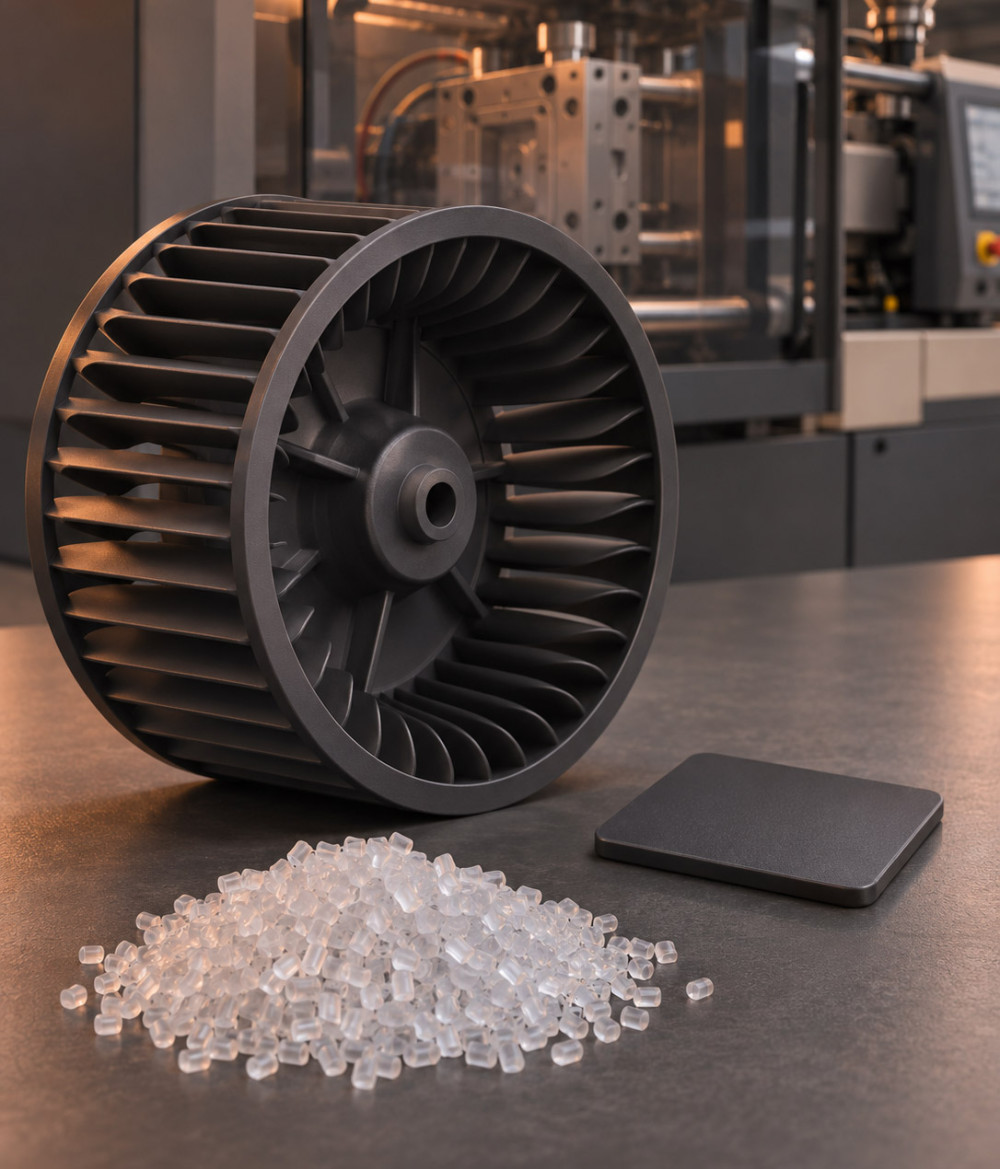
Addmaster supplies masterbatch and powder formulations for suitable plastic applications. The appropriate route depends on the polymer, component design and processing requirements.
For an injection-moulded or extruded component, useful starting information includes:
- Polymer type and grade, including any recycled content.
- Processing temperatures and manufacturing method.
- Colourants, fillers and other functional additives.
- Required appearance, dimensions and mechanical properties.
- Cleaning methods and expected environmental exposure.
The objective is to establish a formulation that can be evaluated within your existing product requirements. Trials should check both antimicrobial activity and the characteristics that make the component fit for use.
Antimicrobial Coatings for HVAC Components
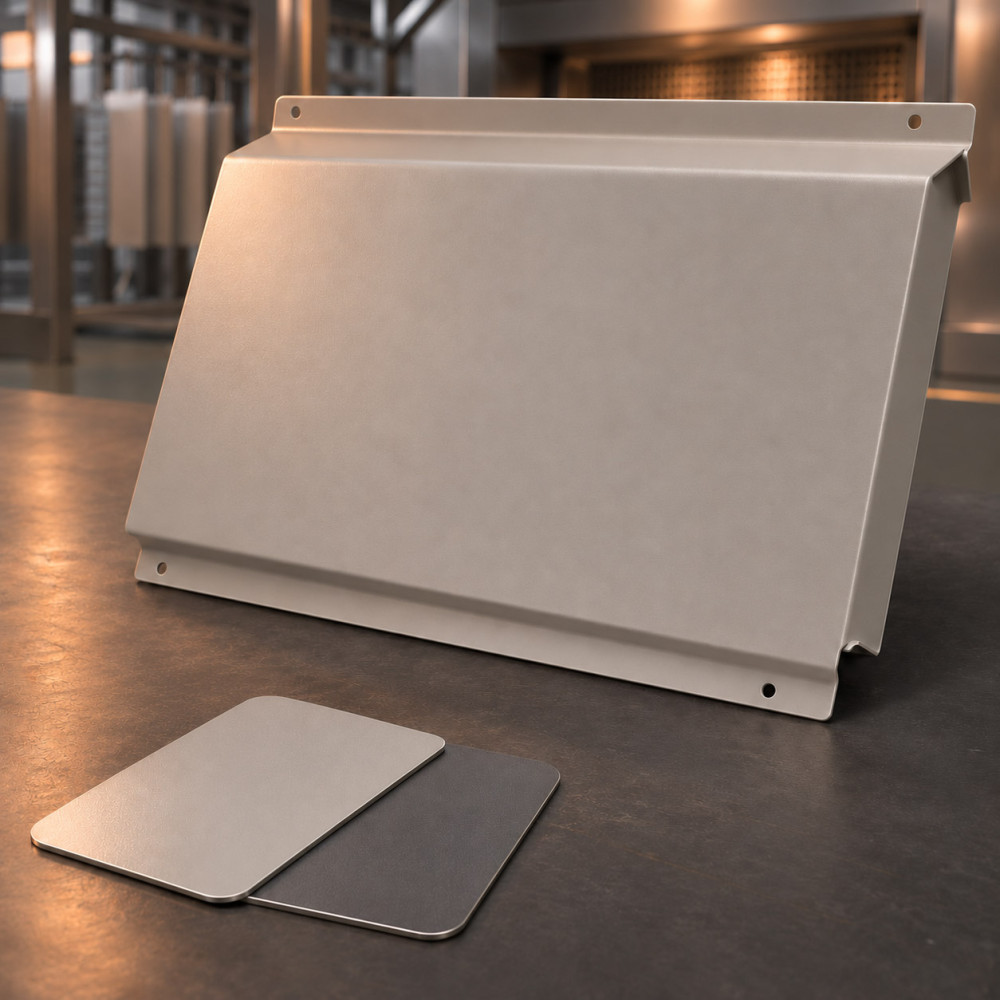
Antimicrobial additives can be incorporated into suitable coating formulations to provide activity on the dried or cured coating surface.
For HVAC applications, the development brief should identify the coating chemistry, substrate, film thickness, cure schedule and service environment. A coating on an external panel may face different conditions from one on a component exposed to condensation.
Formulation trials should consider dispersion, appearance, adhesion and the other performance requirements relevant to the coating. Where cleaning or ageing could affect the intended benefit, these conditions should inform the validation plan.
Addmaster supports coating manufacturers and formulators with additive selection, development trials and finished-coating testing.
What Should an HVAC Antimicrobial Specification Include?
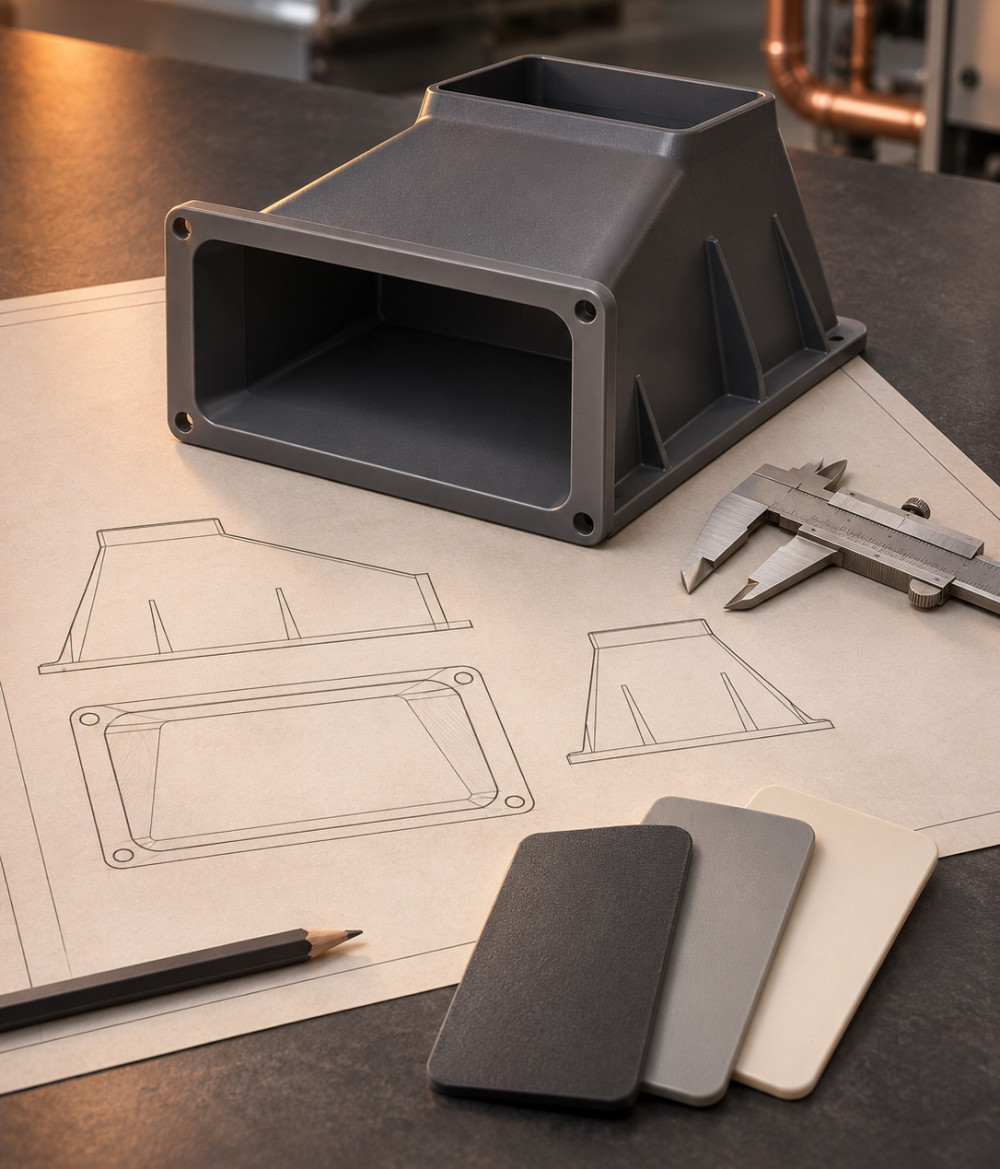
A clear specification helps connect the proposed treatment with a practical manufacturing decision.
Before selecting an additive, define:
- The component and surface: Identify exactly which part requires treatment, its material construction and whether it contacts air, condensate or other surfaces.
- The intended function: Explain which organisms or material effects are relevant. Antibacterial activity, mould resistance and odour-related performance are different objectives requiring appropriate evidence.
- The operating environment: Record expected temperatures, moisture exposure, cleaning chemicals and maintenance practices.
- The product requirements: Identify properties that must be retained, such as mechanical strength, coating adhesion, colour or applicable fire-performance requirements.
- The intended markets: Confirm where the finished product will be sold and which claims you want to communicate.
You do not need every answer before contacting us. An initial component description helps identify the information needed for a useful assessment.
Testing Antimicrobial HVAC Components
Testing should represent the material and manufacturing route used in the finished component.
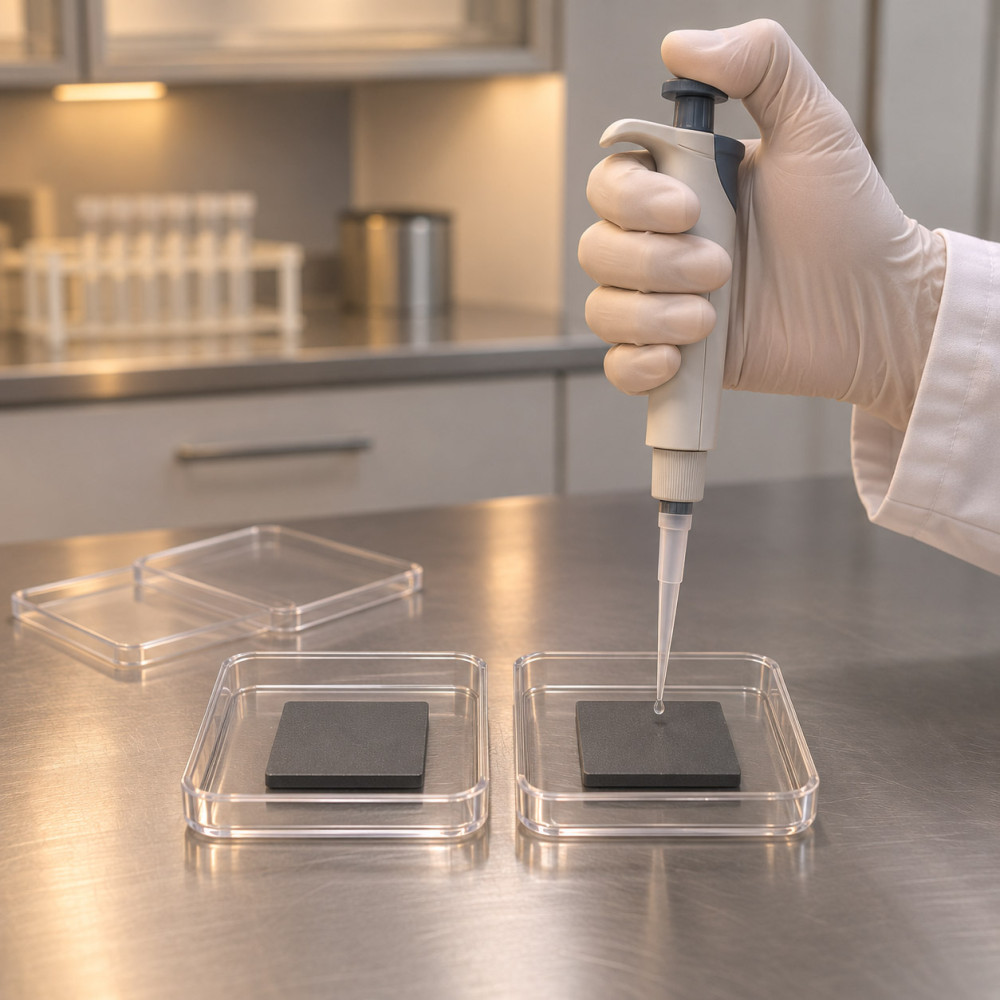
For suitable plastics and other non-porous surfaces, ISO 22196 provides a method for measuring antibacterial activity under defined laboratory conditions. Results should be understood in terms of the organisms tested, exposure time and comparison with untreated specimens.
An initial result is one part of the assessment. Depending on the application, further work may be needed to evaluate performance following cleaning, ageing or relevant environmental exposure.
A laboratory surface result does not, by itself, establish improved indoor air quality, reduced maintenance requirements or longer equipment life. Those are separate outcomes requiring their own evidence.
From Application Brief to Manufacturing Trial
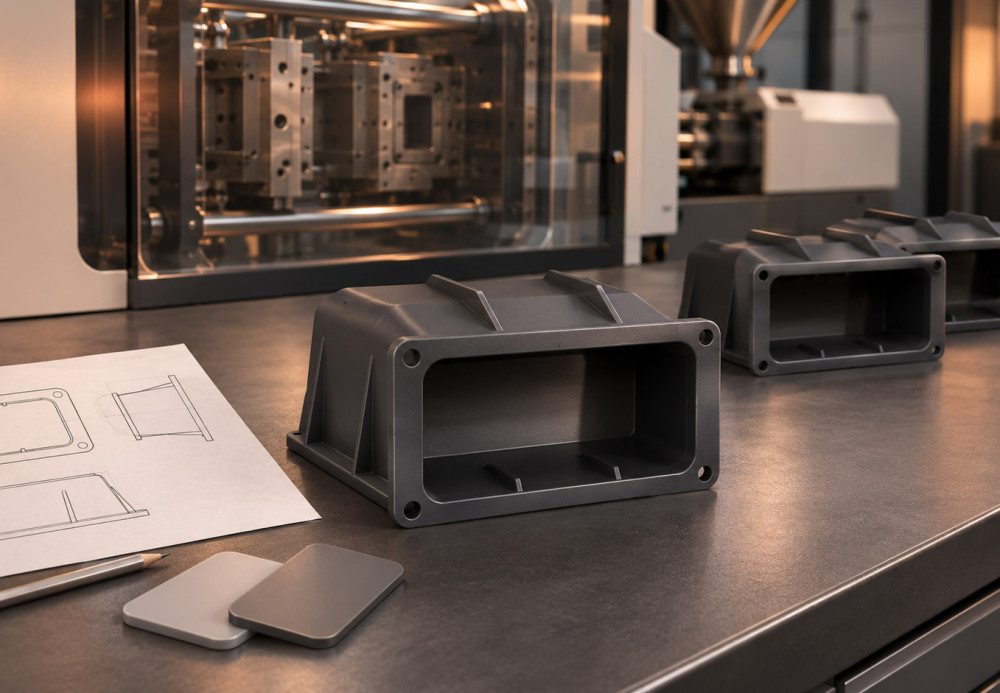
- Define Your Component: Share the product, material, manufacturing process and intended purpose of the antimicrobial feature. Drawings, photographs or existing specifications can help explain the application.
- Assess the Development Route: Our team can review additive options, incorporation requirements and the information needed before samples or production trials are planned.
- Evaluate Representative Samples: Agree the material properties and antimicrobial performance to assess. Use representative samples and define the test conditions and success criteria.
- Prepare for Commercial Production: Use the trial findings to inform the finished specification, further validation and product communication. Confirm that the proposed claims reflect the evidence and intended sales markets.

Why Work With Addmaster?
Addmaster brings more than 25 years of additive-development experience to manufacturers assessing new product functionality.
Our support connects technical development with the commercial requirements of launching a finished product:
- Formulation advice based on the material and manufacturing route.
- Production-trial support to help evaluate practical incorporation.
- Testing guidance focused on representative finished materials.
- Regulatory support for reviewing intended applications and markets.
- Marketing guidance for communicating supported product benefits.
Our technical, regulatory and marketing support is available without additional technology licence fees. Project-specific development and testing requirements can be discussed during assessment.

Frequently Asked Questions
An existing range can be assessed. Share the material specification, manufacturing process and intended benefit so the development requirements can be reviewed.
The appropriate addition rate depends on the formulation, material, processing conditions and target performance. It should be established through application assessment and testing.
A result applies to the tested material and conditions. Changes in polymer, coating, processing or exposure may require further evaluation before the same claim can be used.
No. Treated components still require appropriate cleaning and maintenance. Antimicrobial surface protection does not remove dirt or replace system-design and moisture-control measures.
-


Biomaster is easily incorporated into any plastic, textile, paper, paint or coating.
Biomaster guarantees fast, effective antimicrobial protection for the effective lifetime of the product, helps to keep surfaces clean and hygienic and reduces the risk of cross-contamination.
-


Verimaster Technology offers a fail-safe solution to your brand protection and product verification requirements.
Invisible to the naked eye and lasting the lifetime of your product, Verimaster additives are detectable only by our sensory or optical detectors.
-


Scentmaster Masterbatches present a wide range of fragrances for introduction into a variety of product materials.
Due to its high fragrance concentration, Scentmaster introduction rates are typically 1% or lower - making it a cost-effective, as well as appealing addition to your product
-


Masterpiece Technology is available to any customer whose product specification demands the creation of a bespoke additive solution.
Masterpiece will research, develop and implement your additive – even offering ongoing technical support throughout product manufacture.


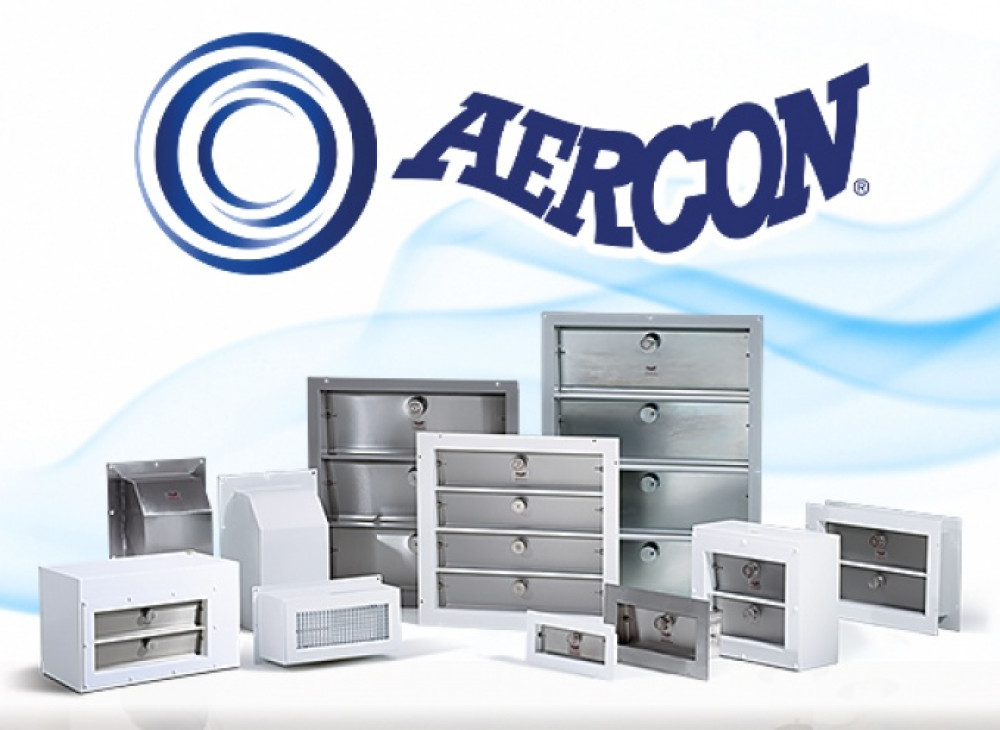
Biomaster in Practice with Aercon
Aercon manufactures air pressure stabilisers and control valves for hospitals, laboratories and other controlled environments.
Working with Addmaster since 2005, Aercon incorporates Biomaster antimicrobial technology into powder coatings on its products, providing built-in protection against bacterial growth on treated surfaces.
The partnership demonstrates how antimicrobial technology can become part of a specialist ventilation component’s surface finish.