Antimicrobial HVAC Components: A Guide for Manufacturers

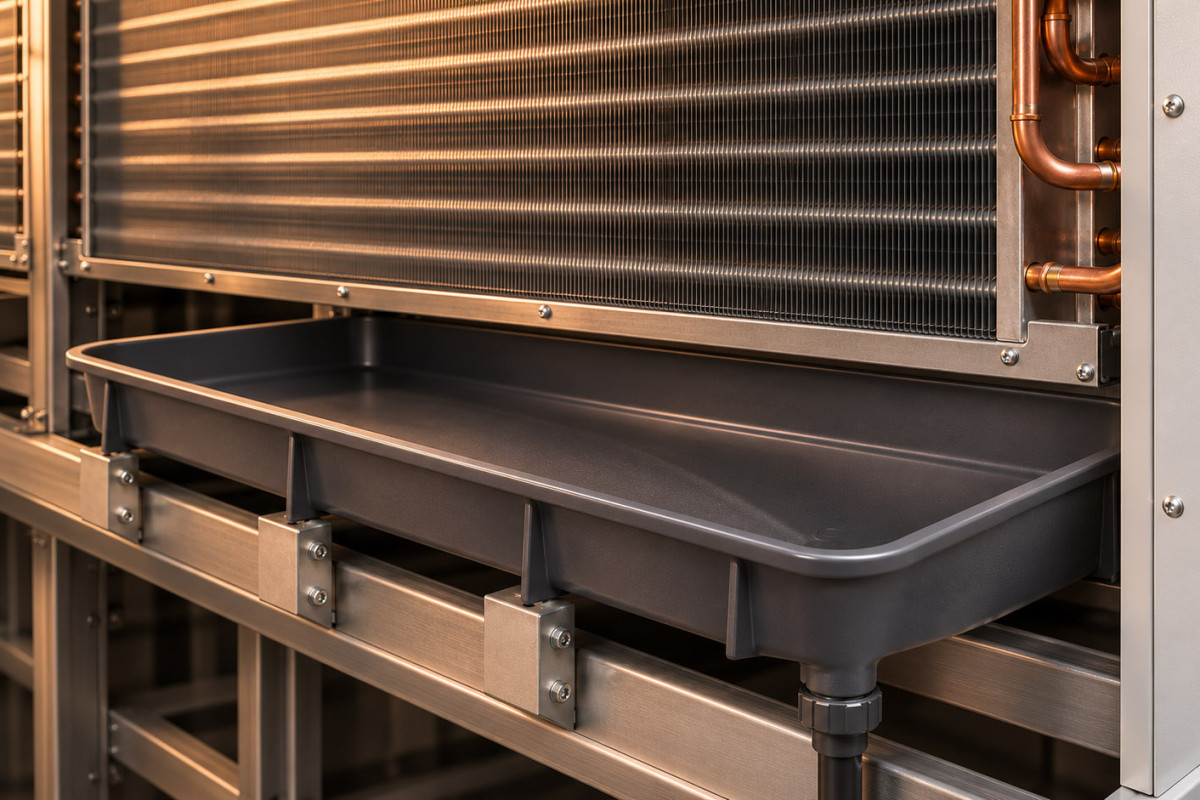
Modern HVAC systems bring together a wide range of materials, components and operating conditions. From condensate collection trays and drainage assemblies to air handling unit housings and coated ventilation components, each part must meet specific performance requirements.
For HVAC equipment manufacturers, microbial growth on certain component surfaces can present an additional material protection consideration, particularly where moisture is present.
Incorporating antimicrobial technology into suitable plastics and coatings offers a way to inhibit microbial growth on the treated material. However, selecting an appropriate additive requires more than identifying a component that could benefit from antimicrobial protection.
Manufacturers need to consider the material, manufacturing process, operating environment and evidence required to support the finished product.
This guide explores where antimicrobial additives for HVAC components may be considered and how manufacturers can approach their development.
Why Consider Antimicrobial Protection for HVAC Components?
HVAC equipment can operate in environments where temperature changes, humidity and condensation create conditions in which microorganisms may accumulate on susceptible surfaces.
Condensate trays, drain pans and certain internal components are particularly relevant because they may experience regular or prolonged moisture exposure.
Research published in Indoor Air in 2018 examined microbial accumulation on cooling coils across 40 commercial air-conditioning units. The study reported substantial bacterial and fungal loading, highlighting the importance of understanding microbial conditions within HVAC equipment.
For manufacturers, these findings provide useful context when assessing whether an antimicrobial material specification could add value to a particular component.
However, it is important to distinguish between controlling microbial growth on a treated material and controlling microorganisms elsewhere in an HVAC system.
Antimicrobial Condensate Trays and Drain Pans
Condensate trays and drain pans are among the most relevant components for manufacturers investigating antimicrobial product protection.
These components collect moisture produced during cooling and dehumidification. Depending on the equipment design, they may be manufactured from moulded plastics, coated metals or other suitable materials.
When assessing antimicrobial condensate trays, manufacturers should first understand how the component will be exposed to moisture during normal operation.
Important considerations include:
- The polymer or coating used to manufacture the component.
- Expected operating temperatures and periods of wetting and drying.
- Compatibility with cleaning products and maintenance procedures.
- Required mechanical strength and dimensional stability.
- The microorganisms and material protection benefits the manufacturer intends to evaluate.
For a polymer condensate tray, an antimicrobial additive may be incorporated during manufacture. For a suitable coated metal tray, the treatment may instead form part of the coating formulation.
Neither approach should be selected without considering the complete component specification.
An effective development programme must demonstrate that the proposed antimicrobial functionality can be achieved without compromising the properties required for the product to perform its primary function.
What About Condensate Drainage Components?
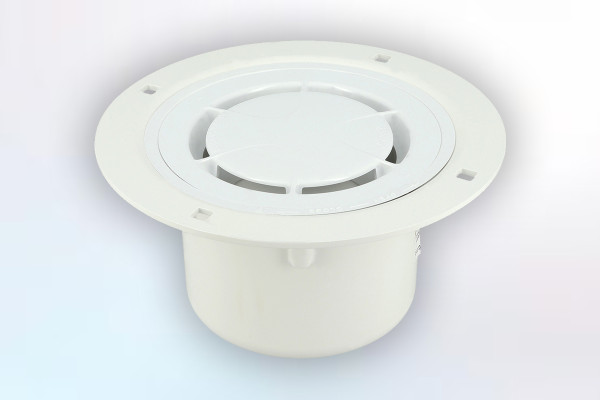
Drain outlets, traps and associated polymer fittings may also be considered where there is a defined requirement for antimicrobial protection of the material.
These components may have different material specifications, manufacturing methods and exposure conditions from the collection tray itself.
Consequently, manufacturers should not assume that a formulation or test result developed for one component automatically applies to another.
The intended function and appropriate test conditions should be established separately.
Antimicrobial Plastics for HVAC Manufacturing
Many HVAC products contain injection-moulded or extruded polymer components, including housings, covers, grilles, diffusers, filter frames and control enclosures.
For suitable applications, Biomaster antimicrobial technology can be incorporated into the plastic during manufacture to inhibit the growth of susceptible microorganisms on the treated material.
Biomaster is a silver-ion antimicrobial additive technology available in formulations suited to different materials and manufacturing processes.
For plastic HVAC components, manufacturers should consider the base polymer, processing conditions, colour requirements and other performance characteristics before selecting an incorporation method.
For example, an injection-moulded polypropylene component may require a different formulation approach from an extruded PVC profile or an engineering-plastic housing.
The objective is not simply to add antimicrobial functionality. It is to incorporate that functionality while maintaining the material properties and manufacturing performance required by the finished component.
Manufacturers can explore the available options through Addmaster's antimicrobial additives for plastics guidance.
Antimicrobial Coatings for HVAC Equipment
Not every HVAC component is manufactured from plastic. Metal housings, ventilation fittings, access panels and specialist control components may instead be protected or finished using factory-applied coatings.
For suitable systems, antimicrobial additives can be incorporated into the coating formulation, providing antimicrobial activity on the finished treated surface.
An existing example is Addmaster's partnership with specialist ventilation manufacturer Aercon.
Since 2005, Aercon has incorporated Biomaster into powder coatings used on its air pressure stabilisers and control valves. The technology inhibits bacterial growth on the treated surfaces and provides built-in antimicrobial product protection.
This application demonstrates how antimicrobial functionality can be integrated into a specialist HVAC component through its surface finish.
Read the Aercon and Biomaster case study.
For manufacturers developing similar products, the coating chemistry, curing process, film thickness, adhesion and other performance requirements must all be considered.
Addmaster works with coating manufacturers and formulators to assess these requirements and identify suitable development routes.
Discover more about antimicrobial additives for paints and coatings.
Choosing an Antimicrobial Additive for Your HVAC Component
The appropriate antimicrobial additive depends on the finished product rather than the HVAC application category alone.
Before beginning a development programme, manufacturers should establish five essential requirements.
- Identify the Component and Material - Define exactly which component will be treated and where antimicrobial activity is required. Provide the polymer grade or coating formulation, manufacturing process and any relevant technical specifications.
- Establish the Intended Antimicrobial Function - Identify why microbial growth is relevant to the material and which microorganisms the manufacturer wants to evaluate. Antibacterial activity, antifungal performance and protection against particular material effects are distinct objectives that may require different evidence.
- Consider Operating Conditions - Assess the effects of moisture, temperature, cleaning chemicals and other relevant environmental conditions. These factors help determine whether additional testing is needed beyond an initial laboratory assessment.
- Protect Existing Product Performance - Antimicrobial functionality should be evaluated alongside the properties already required by the product specification. These may include mechanical strength, dimensional stability, surface appearance, coating adhesion and applicable fire-performance requirements.
- Define the Intended Markets - The countries in which the finished product will be sold can influence regulatory requirements and permissible antimicrobial claims.
Addressing these requirements early can help avoid unnecessary reformulation or changes to product communication.
Developing an antimicrobial HVAC component?
Whether you're working with condensate trays, polymer housings or coated ventilation components, Addmaster can help assess your material, manufacturing process and antimicrobial requirements.
Our technical team can advise on suitable formulations, manufacturing trials and performance testing, with no technology licence fees.
Discuss Your HVAC Application With Addmaster
Testing Antimicrobial HVAC Plastics and Coatings
Testing is an essential part of developing a credible antimicrobial product specification.
For suitable plastics and other non-porous surfaces, ISO 22196 is one recognised method for measuring antibacterial activity under defined laboratory conditions.
However, the appropriate method depends on the material, microorganism and performance objective.
Manufacturers should evaluate representative samples of the intended finished material rather than relying solely on information about the additive.
Where relevant, additional evaluation may be needed following cleaning, ageing or exposure to environmental conditions associated with the component's intended use.
Results should be interpreted within the limitations of the test method.
A laboratory result demonstrating antibacterial activity on a treated HVAC component does not establish reduced airborne contamination, prevention of infection or improved HVAC system efficiency.
These would require separate evidence.
From Initial Enquiry to Commercial Production
Incorporating antimicrobial protection into an existing HVAC product or developing a new treated component should follow a structured process.
- Application assessment: Identify the product, material, operating conditions and intended purpose of the antimicrobial treatment.
- Formulation selection: Review compatible Biomaster formulations and establish a proposed incorporation method.
- Manufacturing trials: Produce representative treated samples and assess their suitability against the existing component specification.
- Performance evaluation: Conduct appropriate antimicrobial testing and review the results alongside other product requirements.
- Commercialisation: Confirm the final material specification, relevant regulatory requirements and supported product claims before progressing to commercial production.
Working through these stages helps manufacturers develop a product feature that is both technically appropriate and commercially meaningful.
Why Work With Addmaster?
Choosing an antimicrobial additive supplier involves more than identifying a technology with suitable laboratory performance.
Manufacturers also need practical support for formulation, manufacturing, testing and product communication.
With more than 25 years of additive development experience, Addmaster works with manufacturers to integrate antimicrobial functionality into suitable plastics, coatings and finished components.
Our support includes technical expertise, manufacturing trial guidance, regulatory advice and marketing assistance.
There are no technology licence fees, allowing manufacturers to develop suitable products without an additional ongoing licensing charge for using Biomaster technology.
As part of Polygiene Group, Addmaster combines specialist additive expertise with experience supporting manufacturers across multiple industries.
Explore Biomaster for HVAC Equipment
Discover potential applications for Biomaster across condensate trays, ductwork components, ventilation fittings and other suitable HVAC materials.
Download our Biomaster for HVAC brochure to explore the technology, applications and the support available from Addmaster.
Ready to Discuss Your Next HVAC Product?
Whether you manufacture condensate trays, drainage components, air handling units, ventilation fittings or coated HVAC equipment, selecting an antimicrobial additive begins with understanding your product.
If you are considering introducing antimicrobial protection into a new design or an existing component range, our team can help assess the application and identify suitable next steps.
Share your material, manufacturing process, intended market and the component you want to develop.
Contact Addmaster to Discuss Your HVAC Application
Alternatively, explore our dedicated HVAC antimicrobial additives and component protection page for further information.
What Next?
🔗 Follow us on Social Media, here is our LINK TREE
✉️ See how our additive technology can benefit your business by CONTACTING US
🦠 Find out more about Biomaster Antimicrobial Technology HERE
🎥 Watch our video on how Biomaster works WATCH NOW
📰 Subscribe to our Newsletter - SUBSCRIBE
← Back to blog