Antimicrobial_textiles_header_999880099.jpg

Antimicrobial Additives for Textiles & Fabrics

Develop antimicrobial textiles with additive technology selected for your material, manufacturing process and intended application.

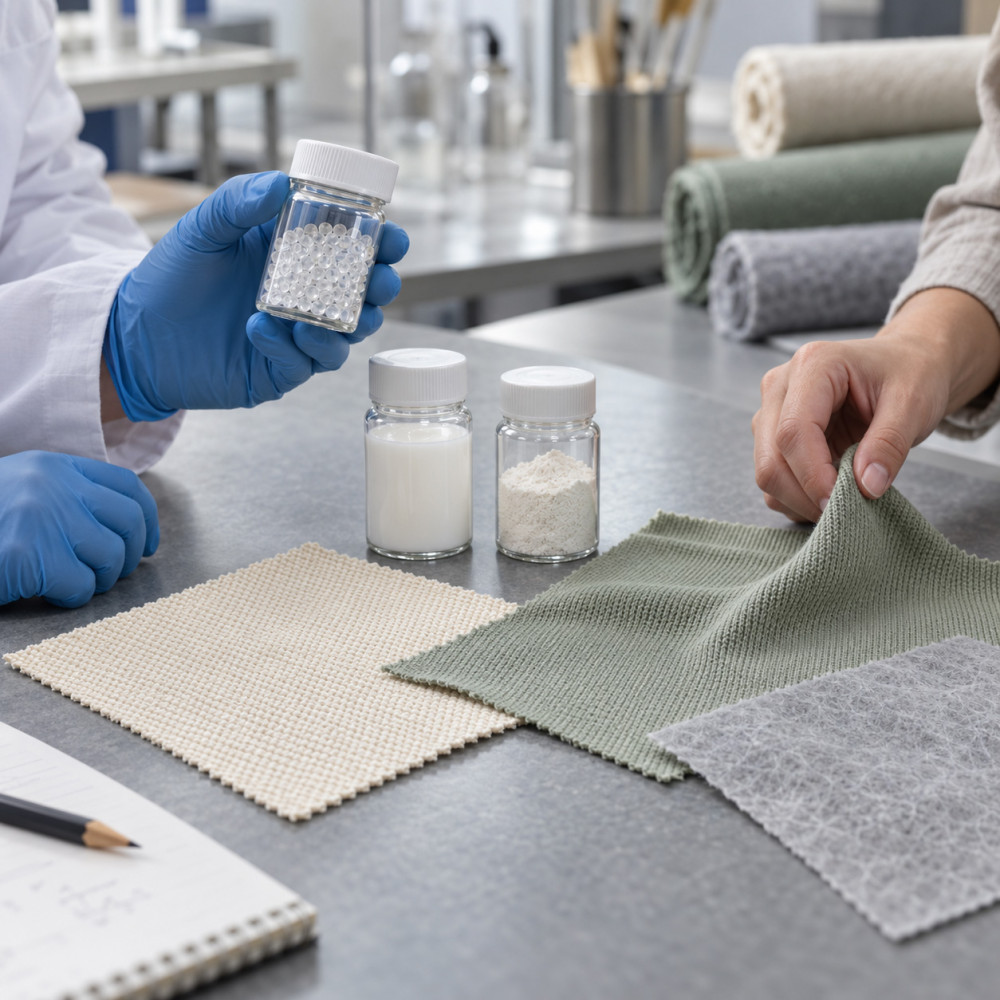
Biomaster can be incorporated into suitable textile materials to inhibit microbial growth on the treated fabric. Addmaster supports manufacturers through additive selection, development trials and testing, helping you build a product proposition supported by evidence.

Addmaster_Biomaster_antimicrobial_textiles_81113009.jpg

What are Antimicrobial Textiles and Fabrics?

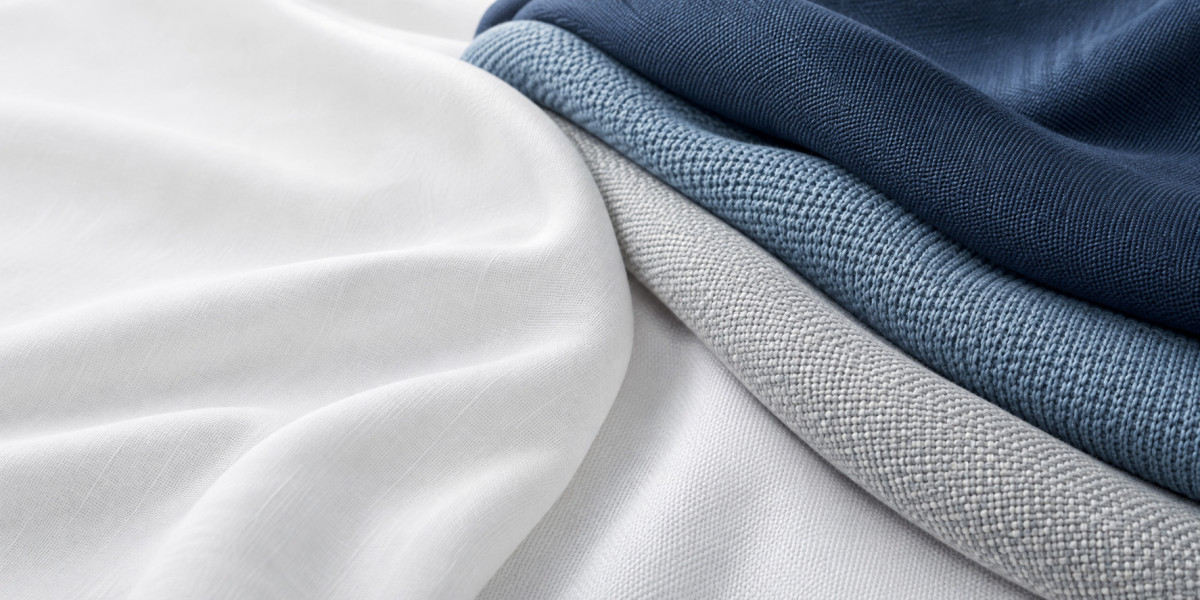
Antimicrobial textiles are fibre-based materials treated to inhibit the growth of microorganisms on the treated material. Depending on the textile and manufacturing process, the antimicrobial function may be introduced within a synthetic fibre or through a suitable fabric treatment or coating.

Antibacterial fabric specifically targets bacteria. Antimicrobial is a broader term that can include activity against fungi, including mould; the organisms controlled depend on the treatment and supporting test evidence.

For manufacturers, antimicrobial treatment offers an opportunity to add a measurable function to a familiar material. Where microbial growth contributes to unwanted odours, staining or deterioration, an appropriately selected and tested treatment can help address those particular problems.

Start by identifying the fabric or component requiring protection and the benefit you want to demonstrate. A garment, upholstered product or multilayer textile may contain several different materials, each requiring its own consideration.

biomaster_technology_in_action_839933.png

How Biomaster Works in Textiles

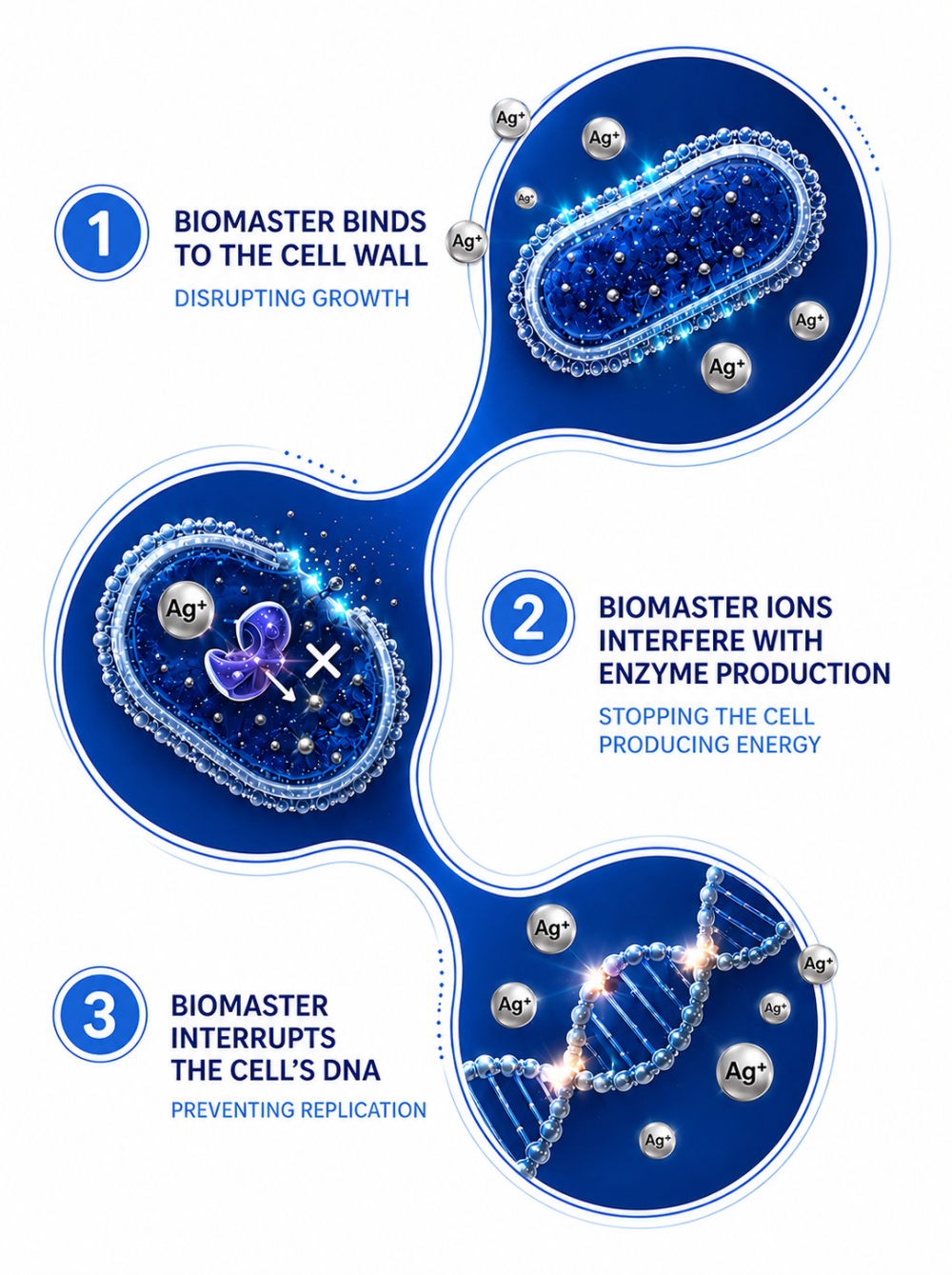
Biomaster uses silver-ion technology to interfere with essential functions in susceptible microbial cells. Silver ions can disrupt cell membranes, affect enzymes and energy production, and interfere with replication. These actions inhibit microbial growth on the treated material.

The way the treatment is incorporated matters. An additive within a synthetic fibre and a treatment applied during fabric finishing involve different development considerations. The formulation, distribution of the treatment and finished textile construction should all be considered when assessing performance.

Where bacteria contribute to odour formation, inhibiting their growth may support an odour-control function. However, an antibacterial result alone does not demonstrate how a textile will smell during use. Any odour claim needs evidence appropriate to that benefit.

Biomaster provides product protection. It does not make a textile sterile or replace normal washing, cleaning and hygiene practices.

Addmaster_Biomaster_textile_finishing_manufacturing_8734623823.jpg

Incorporating Antimicrobial Additives into Textile Production

Biomaster is available in masterbatch, liquid and powder formats for suitable applications. Addmaster can advise on the format, addition rate and incorporation route for your textile development project.

During Synthetic Fibre Production
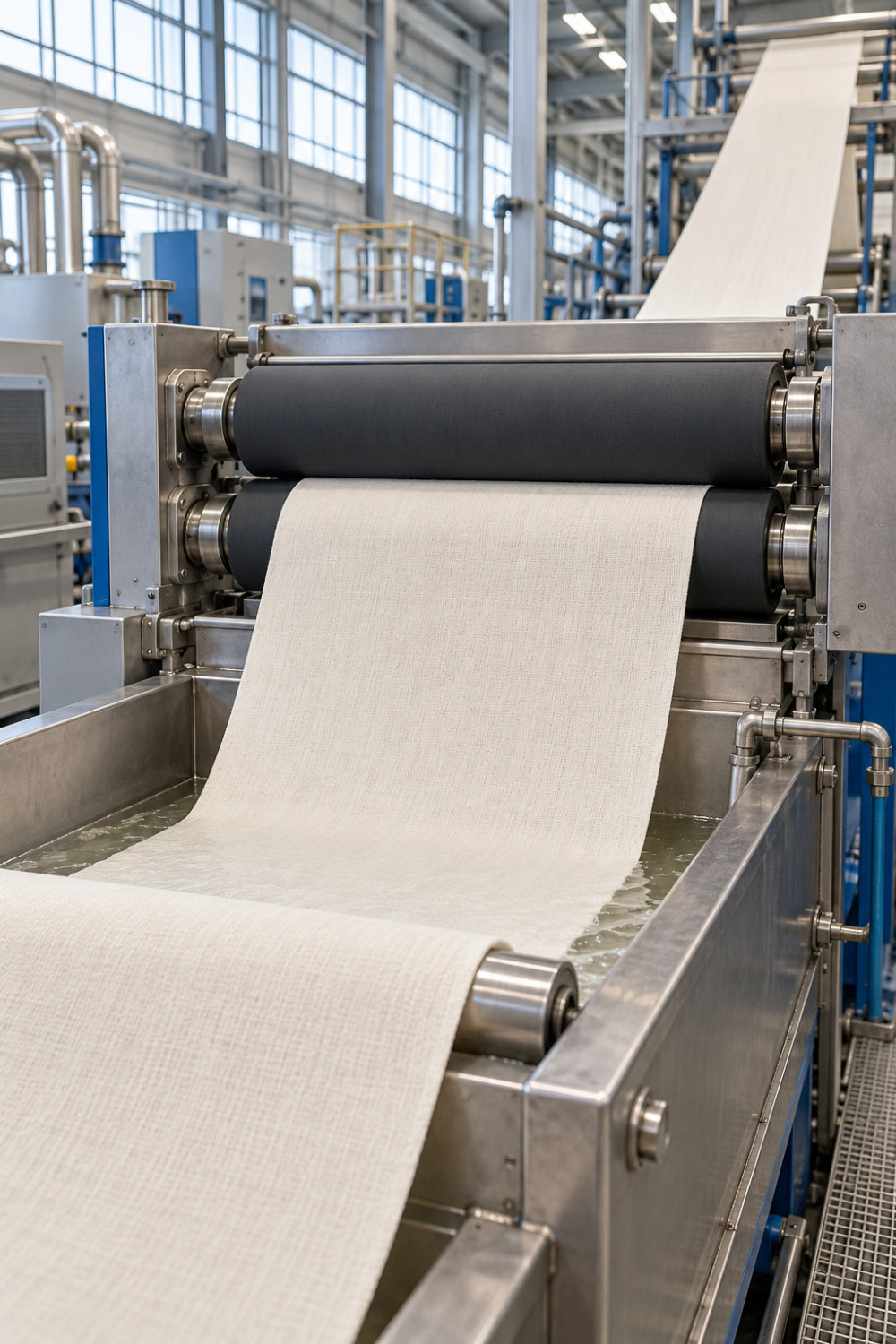
For suitable synthetic fibres, an antimicrobial additive can be incorporated into the polymer before the fibre is formed. Share the polymer grade, processing temperatures, fibre dimensions and subsequent manufacturing steps so the proposed formulation can be assessed.

Development trials should consider dispersion, processing behaviour and fibre properties, followed by testing of the finished textile. Performance should not be inferred from the masterbatch alone.

Through Fabric Finishing or Coating
For an existing fabric construction, discuss whether a suitable finishing or coating route can introduce antimicrobial functionality where it is needed.

Provide details of the fibre blend, dyes, binders and other finishes, together with the application equipment and drying or curing conditions. Assess the treatment as part of the complete formulation, including any later coatings or laminates.

Through Manufacturing Trials
Use representative production conditions when preparing trial material. Include relevant dyeing, heat-setting, printing, coating and assembly stages before evaluating the finished construction.

Agree the required care and durability assessments early, so trials reflect how the product will be washed, cleaned and used.

Addmaster_choosing_an_additive_textiles_77774493.jpg

Choosing an Additive for Your Textile

An antimicrobial fabric must still deliver the appearance, comfort and performance required for its application. Defining these requirements early helps focus additive selection and trials.

Fibre and Fabric Construction
Share the fibre composition, blend ratio, fabric weight and whether the material is woven, knitted or nonwoven. Identify any coatings, backing layers or laminates.

Appearance and Performance
Assess colour, handle, softness and relevant properties such as strength, stretch, breathability or absorbency alongside antimicrobial activity.

Care and Durability
Specify the intended washing, drying or professional cleaning conditions. Agree the durability target and assess representative samples after the relevant care cycles.

Antimicrobial_textiles_healthcare_881321231.jpg

Applications for Antimicrobial Textiles and Fabrics

Start with a defined textile component and a clear reason to inhibit microbial growth on that material. Addmaster can help assess whether antimicrobial product protection would add value to the proposed application.

Clothing, Sportswear and Workwear
Projects may involve garments, linings, footwear textiles or other fabric components. Identify the part requiring treatment, the fibre blend and the intended function.

Where the objective is odour control, plan testing that assesses that benefit. Consider comfort, moisture management, colourfastness and repeated laundering as part of the finished product specification.

Healthcare, Hospitality and Interior Textiles
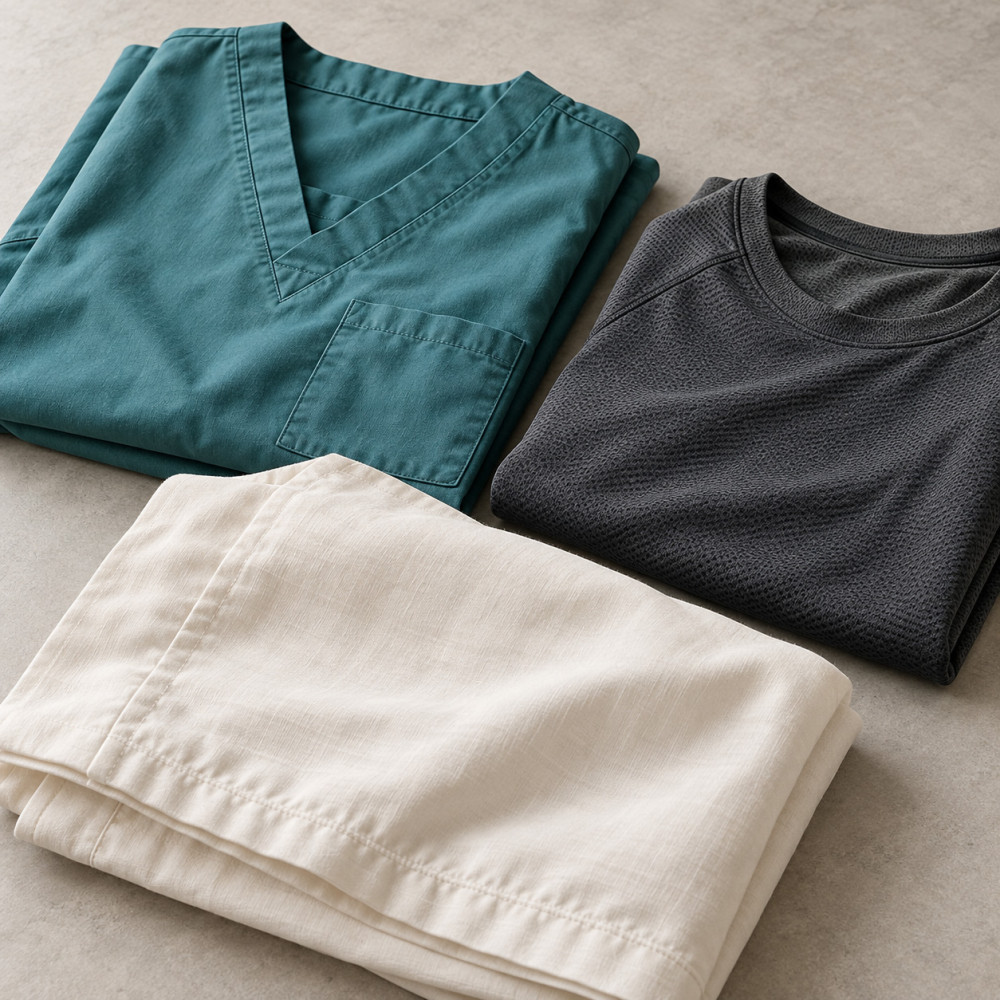
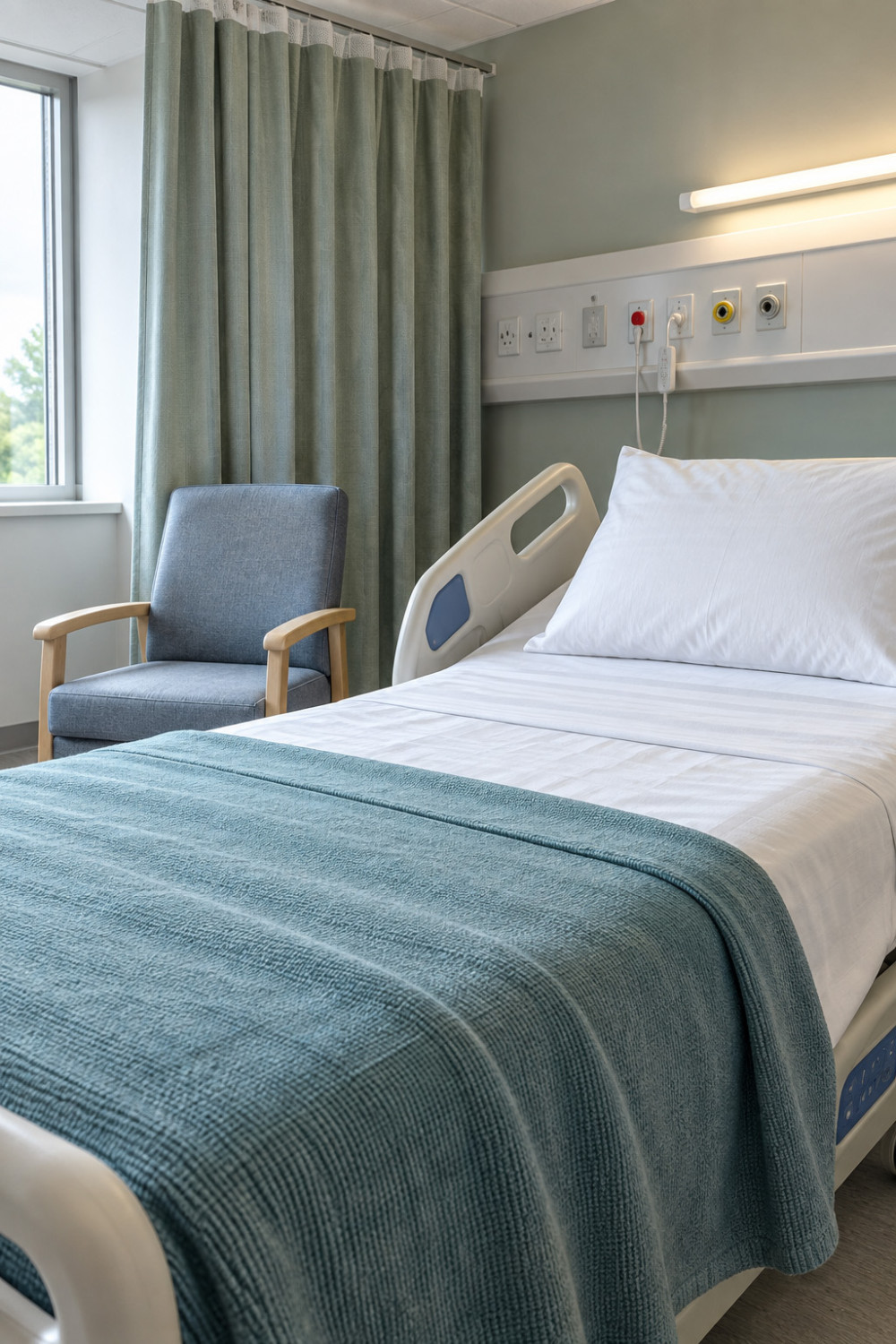
Uniforms, bedding, curtains, upholstery and other interior fabrics are application areas to discuss. Include the expected cleaning regime, frequency of use and any relevant requirements for strength, appearance or fire performance.

Antimicrobial treatment protects the treated textile. Its presence does not establish infection prevention or replace laundering and infection-control procedures.

Technical Textiles and Nonwovens
For liners, covers, reusable bags, nonwoven components and other specialist formats, explain the complete construction and operating environment.

Identify which fibres, layers or exposed faces need treatment. Where a textile forms part of an assembly, assess the relevant finished component rather than assuming that treating one element protects the whole product.


Addmaster_antimicrobial_textiles_testing_999809.jpg

Testing Antimicrobial Performance in Textiles

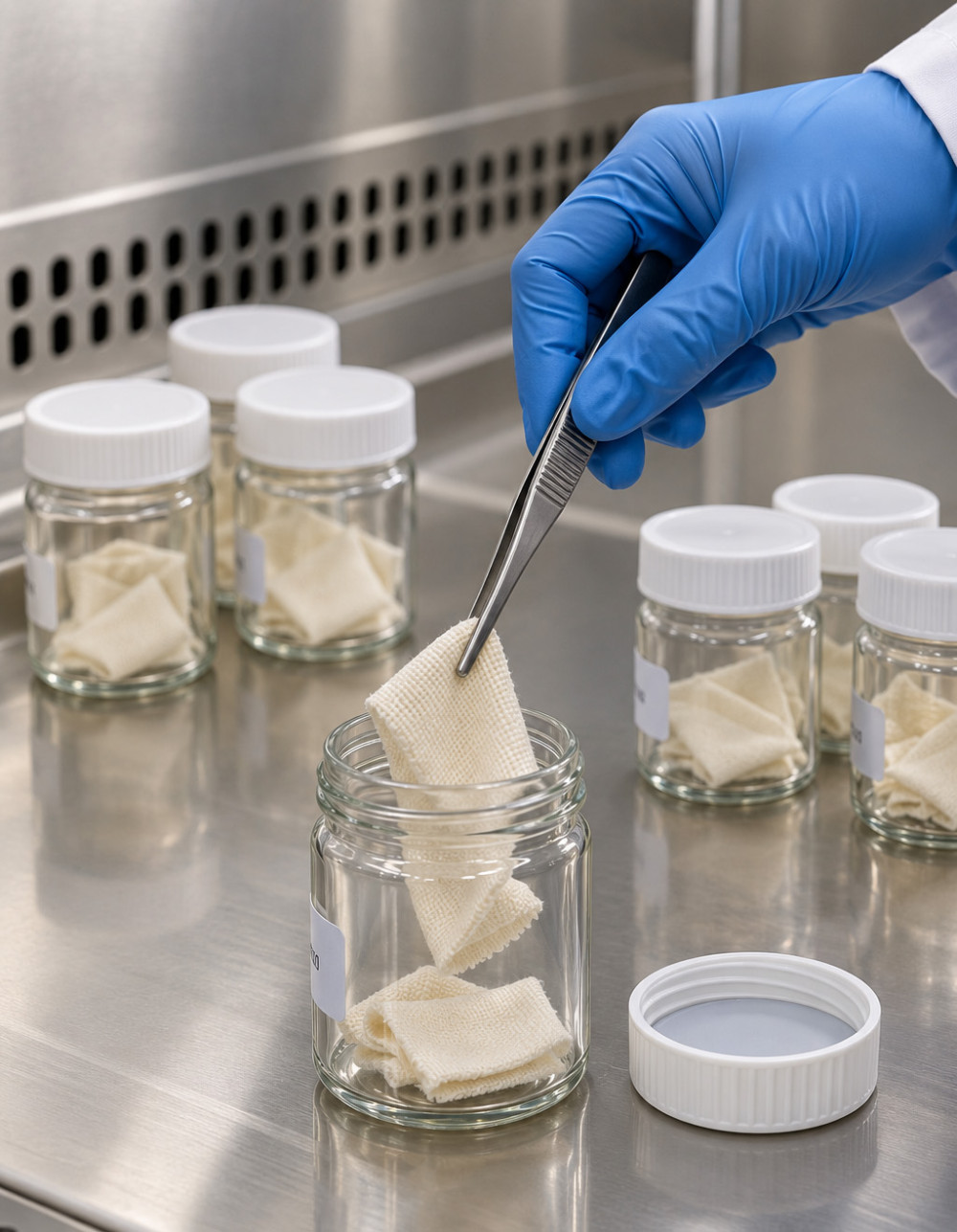
Testing should reflect the finished textile, including its fibre composition, construction, dyes, finishes and any coatings or laminates. Where practical, include a matching untreated material to help assess the contribution of the antimicrobial treatment.

ISO 20743 provides quantitative methods for determining antibacterial activity in textile products, including nonwovens. It offers different approaches to applying the test bacteria, with method selection informed by the textile’s surface properties and intended use. Agree the approach and specimen preparation with the testing laboratory.

ISO 22196 should not be used as the default textile test. Its scope excludes antibacterial-treated textile products, including coated and laminated textiles, and directs these products to ISO 20743.

For washable products, assess antibacterial performance after an agreed laundering programme representative of the intended care instructions. Include other relevant exposure, such as abrasion or professional cleaning, where it forms part of the development brief.

Match each claim to the evidence available. Antibacterial activity does not, by itself, demonstrate odour control, fungal resistance, longer service life or prevention of infection. Laboratory results should be communicated with their test conditions and limitations.

Working_with_addmaster_88899932.jpg

Why Develop Your Antimicrobial Textile with Addmaster?

Addmaster supports manufacturers from the initial application discussion through additive selection, manufacturing trials and testing. We bring technical, manufacturing, regulatory and marketing expertise together to help develop a product proposition supported by evidence.

Our starting point is your textile and what it needs to achieve. We can help you consider incorporation during fibre production or through a suitable fabric treatment, identify the next trial steps and plan how the finished material should be assessed.

As development progresses, we can also support appropriate product messaging and co-branding. This helps your commercial team explain the function of the treated textile and communicate benefits that reflect the evidence and intended market.

We provide straightforward advice on suitability. If antimicrobial treatment is unlikely to add value to your application, we will tell you.

Biomaster_antimicrobial_plastics_FAQ_944422.png

Frequently Asked Questions About Antimicrobial Textiles

Antibacterial fabric targets bacteria. Antimicrobial is a broader description that can include activity against fungi, including mould. Claims should identify the organisms and performance supported by testing of the treated textile.

Potential treatment routes depend on the fibre and fabric construction. Suitable synthetic fibres may allow incorporation during fibre production, while other textiles may require a finishing or coating approach. Share the full fibre composition with Addmaster so suitability can be assessed.

The finished fabric should be checked for changes in handle, softness, colour and other required properties. The additive, application level and finishing formulation all need consideration. Trials should confirm that the treated textile meets your specification.

Durability depends on the treatment, how it is incorporated and the conditions the textile encounters. Claims about wash resistance or service life should be based on finished-material testing after relevant laundering, cleaning or wear.

Some odours arise from microbial activity, so an appropriate treatment may help address their formation. However, antibacterial testing alone does not prove odour-control performance. The intended odour benefit needs a suitable assessment.

Yes. Antimicrobial treatment does not remove dirt, oils or other soiling. Follow the finished product’s care instructions and any cleaning requirements associated with its use.

ISO 20743 provides methods for measuring antibacterial activity in textile products. The laboratory should select an appropriate approach for the fabric, its surface characteristics and the intended claim. Durability testing can also assess activity after relevant care cycles.

Share the fibre blend, fabric construction, manufacturing and finishing processes, intended application and target markets. Include the benefit you want to demonstrate, care instructions and any performance requirements or existing test results.

Our Textiles & Fabrics additive technologies

  • Incorporate antimicrobial functionality into your plastic product during manufacture. Biomaster inhibits the growth of susceptible microorganisms on the treated material, with formulation advice and testing support tailored to your polymer, process and intended application.

    Performance claims should reflect evidence for the finished material. Biomaster complements normal cleaning and hygiene practices.

  • Build a discreet means of identifying genuine products into your plastic material. Verimaster uses covert markers that can be detected with specialist equipment to support product authentication and brand protection.

    Our team can help you assess the marker and detection approach for your product and verification requirements.

  • Develop an additive solution around a specific product requirement. Masterpiece brings together Addmaster’s formulation and manufacturing expertise to explore functions that standard additives may not provide.

    Share your material, production process and performance objectives so we can assess feasibility and define the next development steps.

Antimicrobial Textiles & fabrics case studies

View our case studies
  • Solent Group
    • Biomaster
    • Verimaster
    Solent Group

Find out how Addmaster can add value and performance to your products

Get in Touch