Antimicrobial_paints_coatings_header_image_3399.jpg

Antimicrobial Additives for paints & coatings

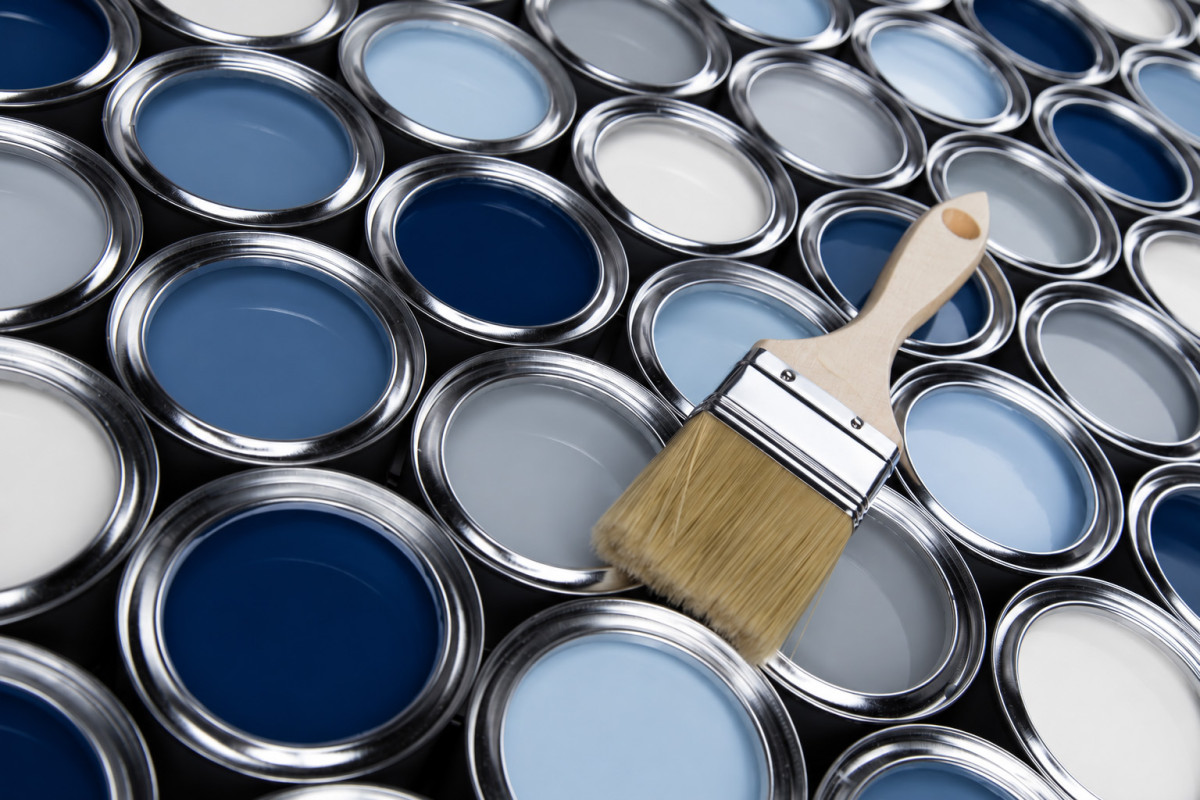
Develop paints and coatings with built-in antimicrobial product protection using Biomaster® from Addmaster. We work with coating manufacturers, formulators and brands to incorporate antimicrobial additives into suitable systems, helping inhibit microbial growth on the finished surface.

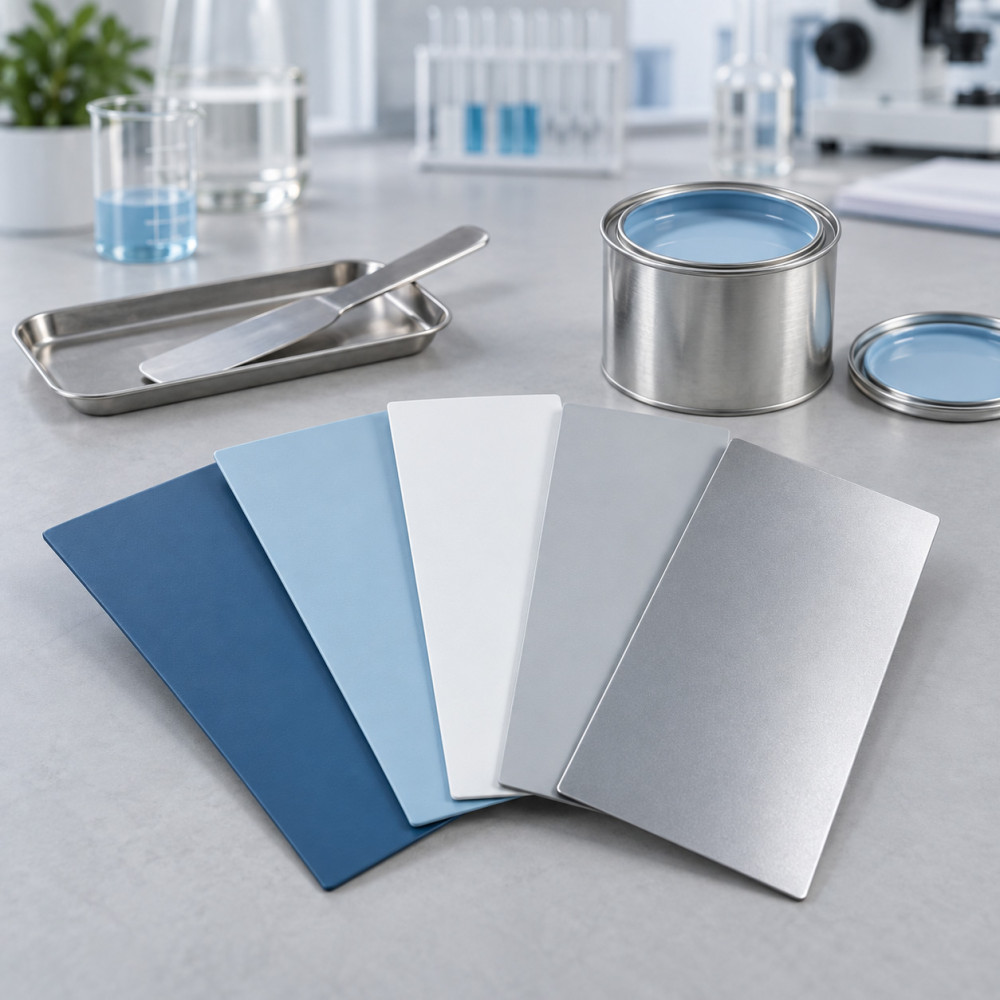
From decorative finishes to coatings for manufactured components, a successful formulation needs to deliver both antimicrobial activity and the performance your customers expect. Our team can support additive selection, incorporation, production trials and testing, alongside guidance on communicating the benefits of your finished product.

Antimicrobial_paints_coatings_biomaster_33322321.jpg

What are Antimicrobial Paints and Coatings

Antimicrobial paints and coatings contain a treatment designed to inhibit the growth of microorganisms on the dried or cured surface. Incorporating an antimicrobial additive during formulation makes this function part of the coating film that forms after application.

Antibacterial coatings specifically target bacteria. Antimicrobial is a broader term that can include activity against fungi, including mould; the organisms controlled depend on the formulation and supporting test evidence. The intended function should therefore be defined before development begins.

For manufacturers, this creates an opportunity to add a measurable feature to a familiar finish. The coating must still meet its specification for appearance, adhesion and durability, while antimicrobial performance is assessed on representative finished samples.

Protection of the finished coating surface and preservation of wet paint during storage are separate objectives. Each needs its own formulation assessment and evidence.

biomaster_technology_in_action_839933.png

How Biomaster Works in Paints and Coatings

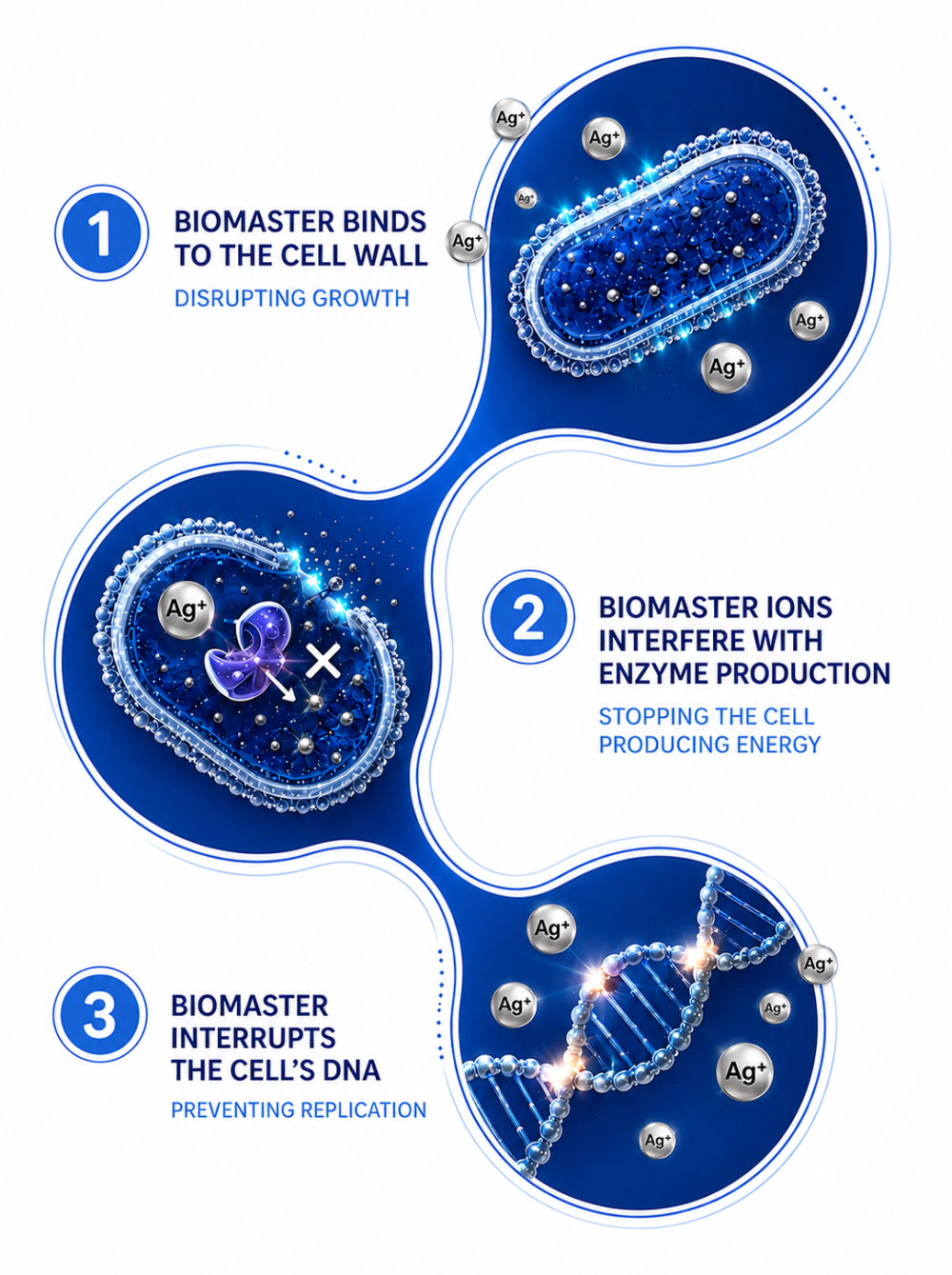
Biomaster uses silver-ion technology to interfere with essential functions in susceptible microbial cells. Silver ions can affect cell membranes, enzymes and energy production, and interfere with replication. These actions inhibit microbial growth on the treated surface.

When incorporated into a coating formulation, the additive becomes part of the treated coating film as it dries or cures. Development needs to consider the complete coating system, including the substrate, primer, topcoat and any subsequent surface treatment. The exposed surface where antimicrobial performance is required should be the focus of testing.

Antimicrobial performance should be evaluated alongside the coating’s appearance and practical properties. The formulation, application conditions and curing process all need to be represented in the samples used for validation.

Biomaster provides product protection. It does not make a painted surface sterile or replace normal cleaning and hygiene practices. Claims about performance should reflect the finished coating and its intended conditions of use.

Antimicrobial_paint_mixing_process_33200000.jpg

Incorporating Antimicrobial Additives into Coatings

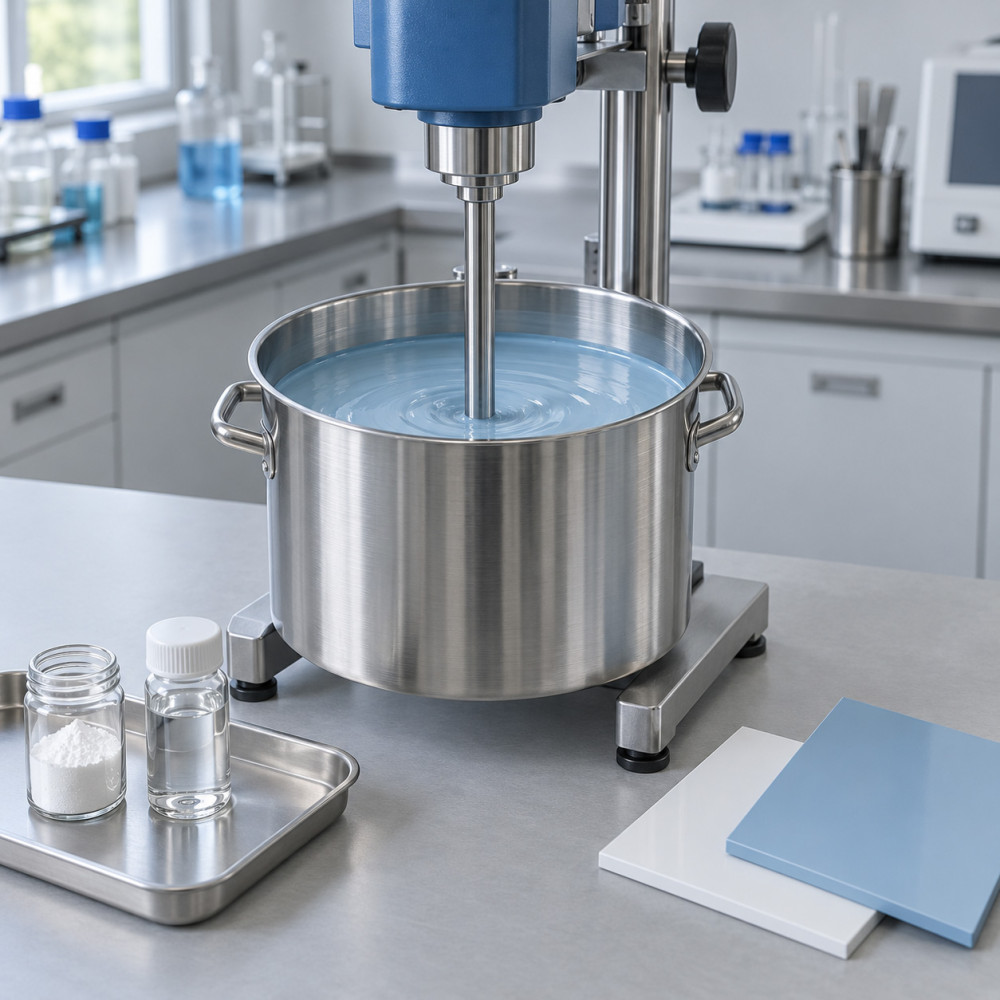
Biomaster is available in liquid and powder formats for suitable paint and coating applications. Addmaster can advise on the format, addition rate and incorporation stage for your formulation. Liquid and powder additives may be introduced during the premix stage, with the specific approach agreed for the system being developed.

Start by sharing the binder chemistry, whether the system is water-based, solvent-based or a powder coating, and how it will be applied and cured. Include details of pigments, fillers and other additives so the complete formulation can be considered.

Laboratory trials should assess dispersion, formulation stability and application behaviour before progressing to production trials. Prepare coated specimens at the intended film thickness and allow them to dry or cure under representative conditions before testing.

For powder coatings, discuss the manufacturing and cure conditions with our technical team. A recommendation should be verified in the finished coating rather than inferred from the additive alone.

Antimicrobial_paints_coating_development_1111001.jpg

Choosing an Additive for your Paint or Coating

An antimicrobial coating must still deliver the finish and performance that make it suitable for the application. Defining these requirements early helps focus formulation work and identify useful comparisons with your existing product.

Formulation and processing
Share the resin or binder system, pigment and filler content, other additives and relevant processing conditions. Include the application method, such as spraying, rolling or dipping, together with the intended drying or curing schedule. For liquid systems, identify requirements for viscosity, storage stability and working time where applicable.

Appearance and surface finish
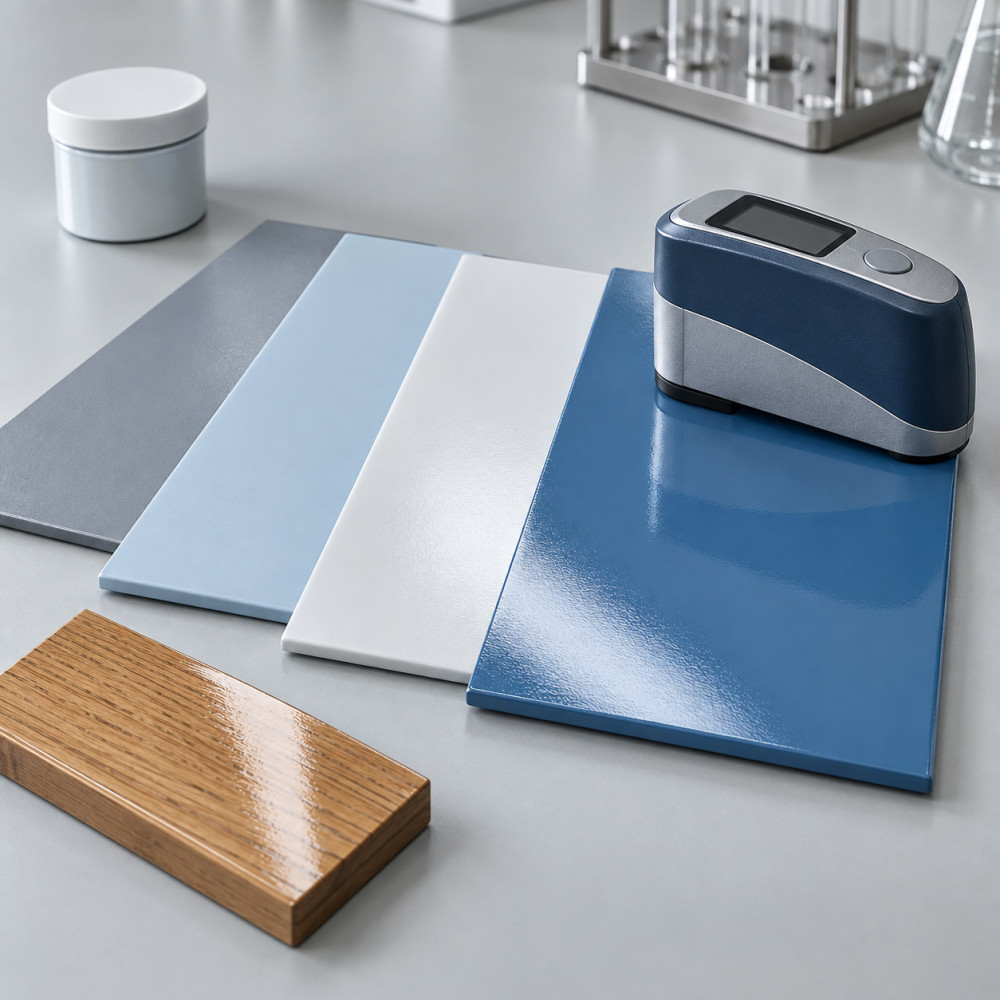
Consider colour, gloss, clarity, texture and uniformity. Clear finishes and pale colours may have particularly demanding appearance requirements. Evaluate these properties on trial panels alongside antimicrobial activity, using the substrate and coating thickness proposed for the finished product.

Adhesion and durability
Include the required adhesion, hardness, flexibility and resistance to wear. Where relevant, assess exposure to cleaning agents, moisture, chemicals or weathering. This helps establish whether the treated coating meets its specification throughout the conditions and period of use being proposed.


Antimicrobial_coatings_paints_applications_768798.jpg

Applications for Antimicrobial Paints and Coatings

The starting point is a specific surface and a clear reason to inhibit microbial growth there. Addmaster can discuss the material, coating system and intended environment to assess whether antimicrobial product protection would add value.

Interior finishes and building products
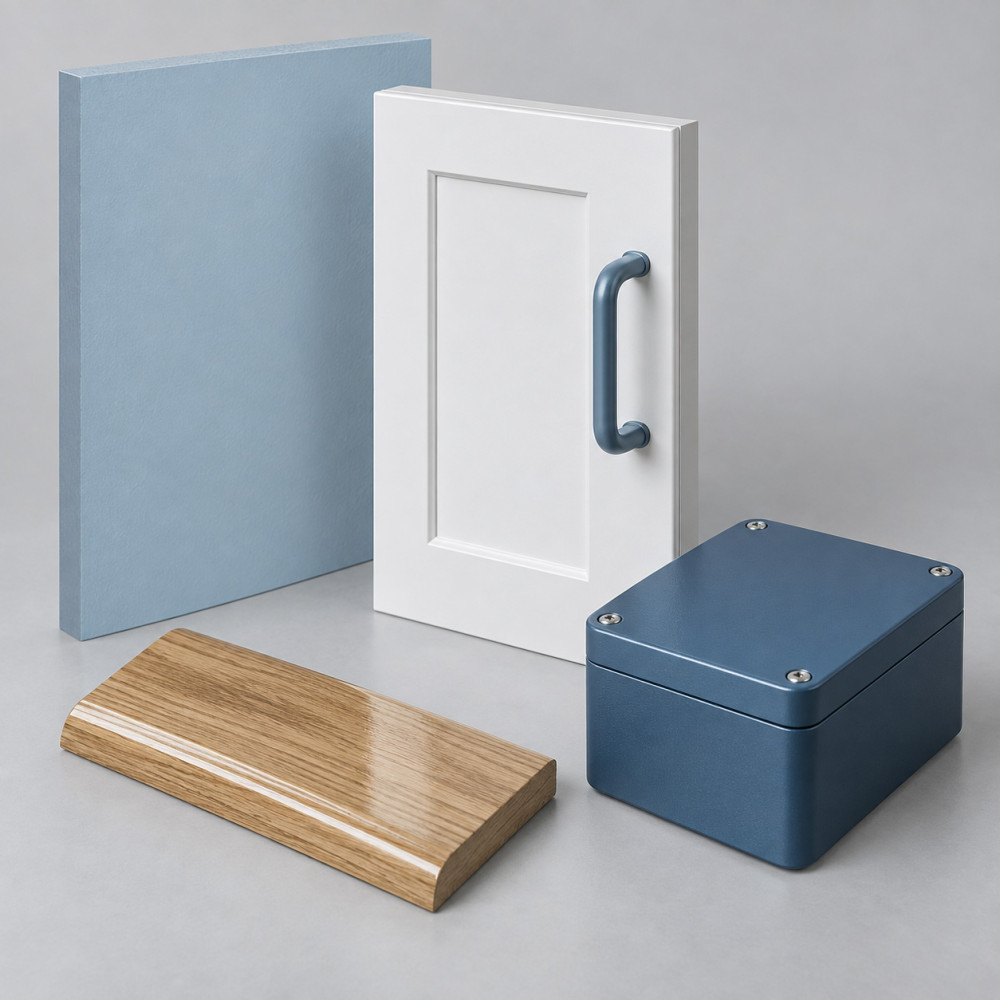
Projects may involve decorative finishes, wall panels, doors or coated interior components. Define the surface requiring protection, the expected cleaning regime and any appearance or wear requirements. These details help shape a suitable development and testing programme.

Furniture and manufactured components
Coatings on furniture, fittings, equipment housings and other components offer opportunities to assess antimicrobial functionality at the surface. Consider the substrate, coating construction and likely handling, particularly where a product is touched or cleaned frequently.

Specialist coatings and surface systems
For a specialist finish, explain the operating environment and the function of each layer. If additional clear coats, sealers or other treatments will be applied, include them in the assessment so testing reflects the exposed surface of the complete system.

Antimicrobial_paints_coatings_testing_22339917.png

Testing Antimicrobial Performance

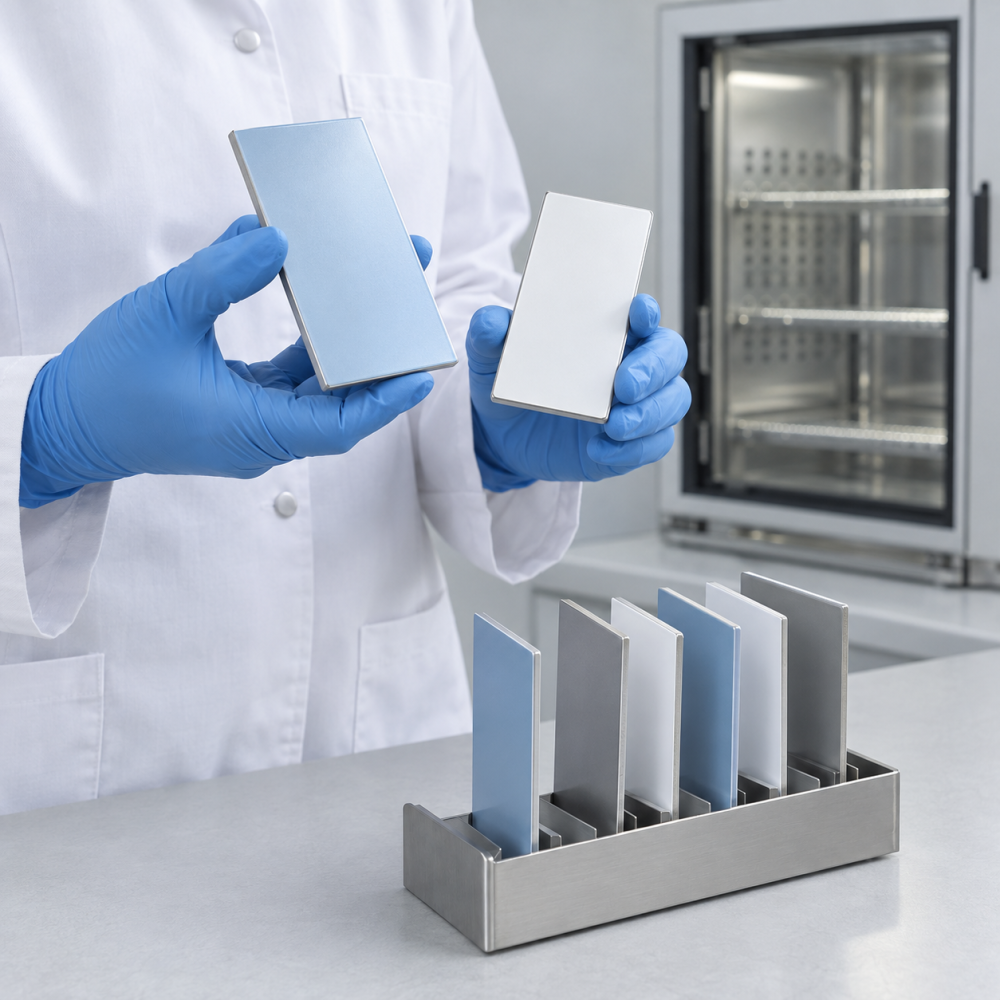
Testing should use representative coated samples with the intended substrate, film thickness, application process and curing conditions. Where practical, compare the treated coating with a matching untreated formulation so the contribution of the antimicrobial treatment can be assessed.

ISO 22196 evaluates antibacterial activity on treated plastics and other non-porous product surfaces. It may be appropriate for certain coated articles, but it is not a universal method for every paint application. Its scope excludes building materials except where they are used in the same manner as treated articles. Agree the method and sample preparation with the laboratory.

Consider whether performance should also be assessed after cleaning, abrasion or ageing relevant to the proposed use. Antimicrobial activity and physical coating properties should both remain part of the development programme.

Match each claim to the test performed. Antibacterial activity does not, by itself, establish fungal resistance, prevention of odour or longer service life. Laboratory results describe performance under the test conditions and should be communicated with that context.

Antimicrobial_paints_coatings_consultation)119990000.jpg

Why Develop your Antimicrobial Coating with Addmaster

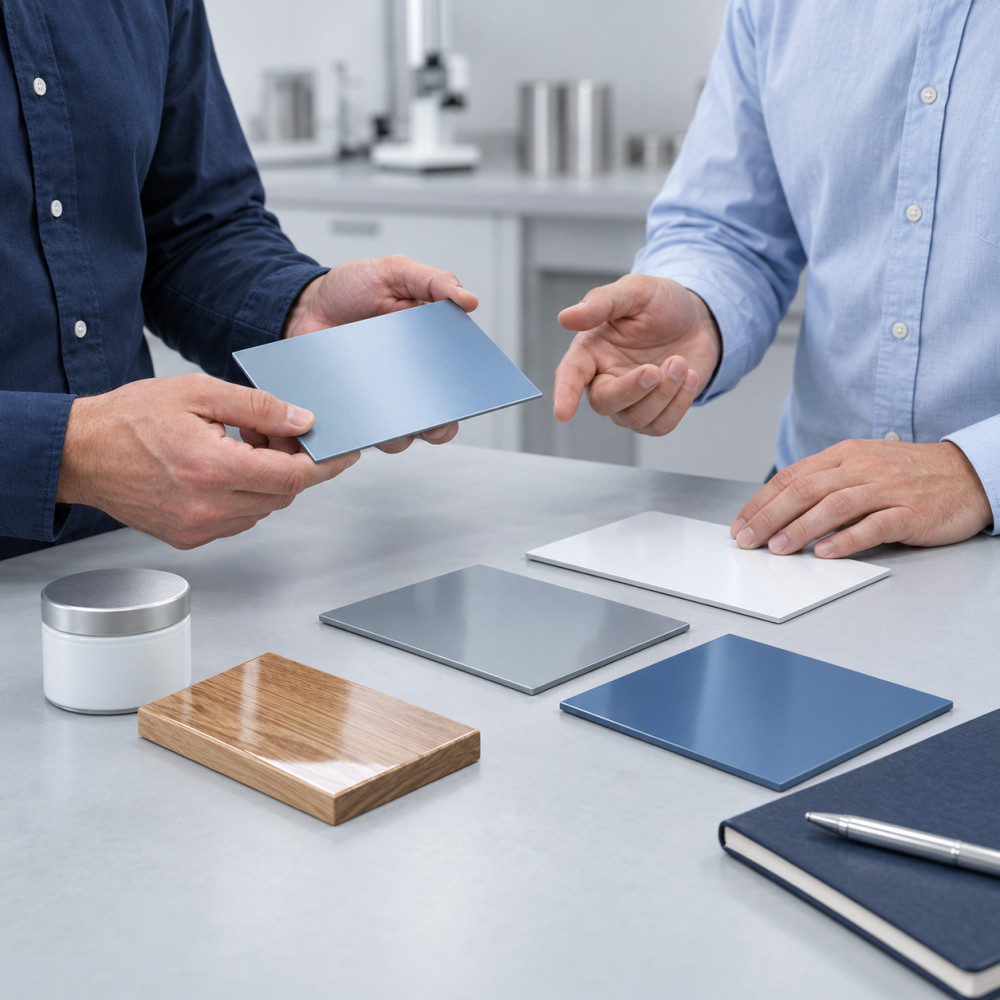
Addmaster supports coating manufacturers from the initial application discussion through formulation development, manufacturing trials and testing. We bring technical, manufacturing, regulatory and marketing support together to help you move from an idea to a product proposition supported by evidence.

Our starting point is your coating and what it needs to achieve. We can help you consider the additive format, incorporation approach and next development steps, with advice shaped around your process and intended market.

As the project progresses, we can also support suitable product messaging and co-branding. This helps your commercial team explain the function of the treated surface clearly and connect that function with the evidence available.

We provide straightforward advice on suitability. If antimicrobial treatment is unlikely to add value to your coating application, we will tell you.

Biomaster_antimicrobial_plastics_FAQ_944422.png

Antimicrobial Paints and Coatings FAQs

Antibacterial paint specifically targets bacteria. Antimicrobial paint is a broader description that can include activity against fungi, including mould. The appropriate wording depends on which organisms the finished coating has been tested against and the claims supported by that evidence.

Share your coating chemistry and manufacturing process with Addmaster for an application assessment. Liquid and powder additive formats are available, including options for powder coating applications. Suitability and the recommended formulation should be established through trials and testing of your specific coating system.

Appearance should be checked during formulation trials. Assess colour, gloss, clarity and texture on representative coated samples, together with application behaviour and physical performance. This is particularly useful for clear finishes, pale colours and coatings with tightly controlled surface specifications.

Protection of a dried or cured coating surface is a different objective from preventing microbial spoilage of wet paint during storage. Do not assume one establishes the other. Discuss both requirements with your formulation team and Addmaster, and assess the evidence needed for each.

A mould-resistance claim needs evidence against relevant fungi in the intended coating system and conditions of use. Antibacterial test results do not establish this. Identify the organisms and performance required before selecting the formulation and test programme.

The additive forms part of the treated coating, but a claim about duration should be supported by testing relevant to the finished product. Consider cleaning, wear and environmental exposure. Recoating or adding a new surface layer may change which material is exposed and should be assessed.

Speak to Addmaster before modifying a finished paint. Addition rate, dispersion, stability and performance need to be considered for the specific formulation. Incorporation should follow an agreed technical recommendation, with suitable testing of the resulting coating.

No. Antimicrobial coatings provide product protection and should be used alongside appropriate cleaning and hygiene practices. Testing of a coating surface does not demonstrate that it prevents infection or makes the surrounding environment sterile.

Our paint & coatings additive technologies

  • Incorporate antimicrobial functionality into your plastic product during manufacture. Biomaster inhibits the growth of susceptible microorganisms on the treated material, with formulation advice and testing support tailored to your polymer, process and intended application.

    Performance claims should reflect evidence for the finished material. Biomaster complements normal cleaning and hygiene practices.

  • Build a discreet means of identifying genuine products into your plastic material. Verimaster uses covert markers that can be detected with specialist equipment to support product authentication and brand protection.

    Our team can help you assess the marker and detection approach for your product and verification requirements.

  • Develop an additive solution around a specific product requirement. Masterpiece brings together Addmaster’s formulation and manufacturing expertise to explore functions that standard additives may not provide.

    Share your material, production process and performance objectives so we can assess feasibility and define the next development steps.

Antimicrobial Paint & Coatings case studies

View our case studies
  • Graham & Brown
    • Biomaster
    Graham & Brown
  • Muraspec Wallcoverings
    • Biomaster
    Muraspec Wallcoverings

Find out how Addmaster can add value and performance to your products

Get in Touch