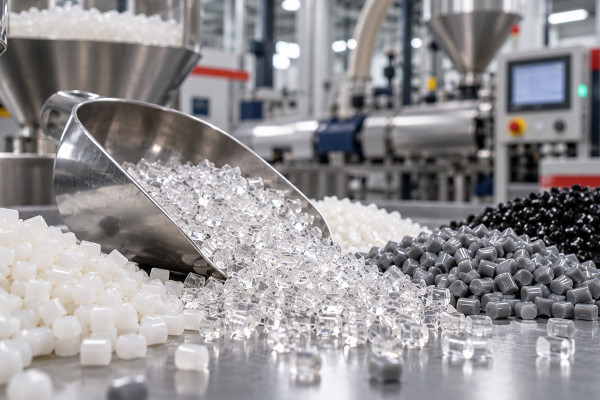
Antimicrobial Technology and the Future of Plastics

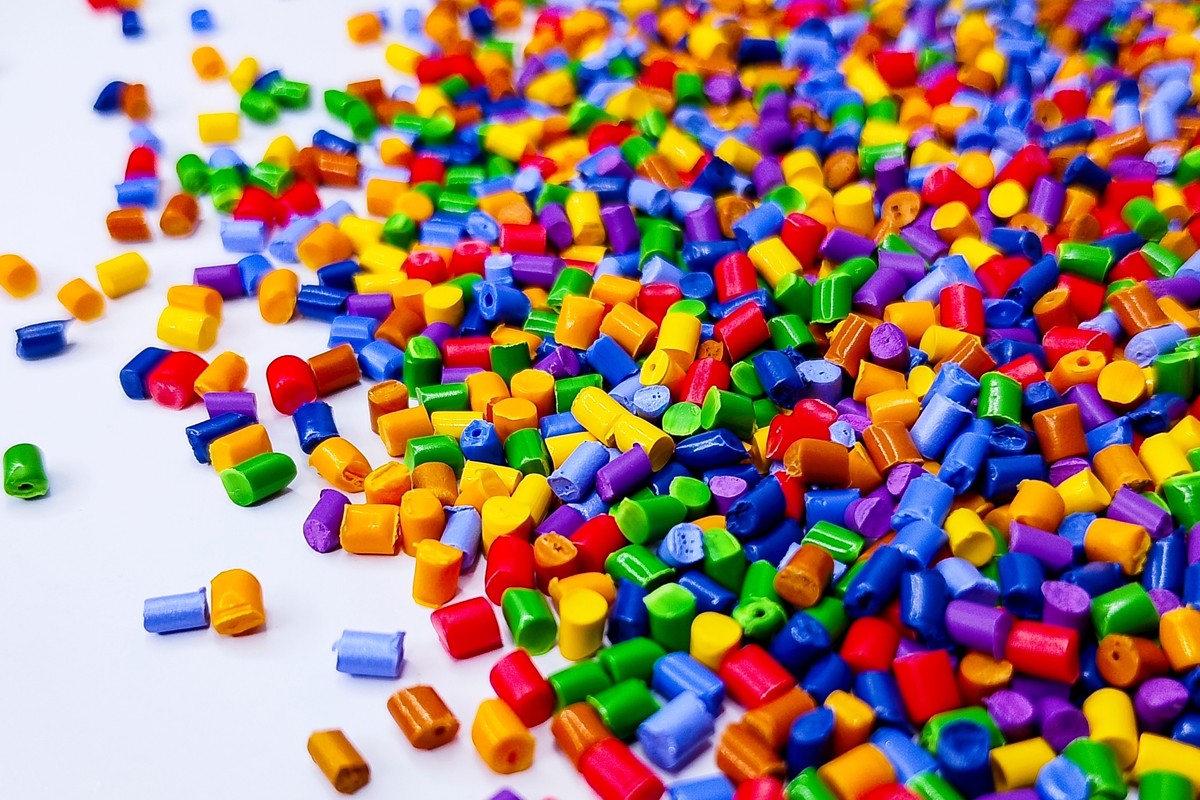
Plastics have always been more than just materials. They are silent infrastructure: the surfaces we touch, the devices we rely on, the components that carry lightness, precision, and performance into almost every industry. Yet as expectations around hygiene, durability, and sustainability rise, so does the need for materials that deliver more than mechanical strength alone. Manufacturers are increasingly looking for ways to design plastics that stay cleaner, resist bacteria induced degradation, maintain visual quality, and support longer lifecycles.
This shift marks the beginning of a new chapter in material innovation. At the heart of it is built-in antimicrobial technology, an approach that treats hygiene as a design parameter rather than an afterthought. Far from being a cosmetic enhancement, antimicrobial technology integration is becoming a strategic tool for future-focused brands, helping them create products that remain resilient and better suited to modern expectations.
Addmaster has worked in this field for more than two decades, supporting manufacturers worldwide in embedding Biomaster antimicrobial technology directly into polymers. Through this experience, one thing has become clear: the conversation is no longer just about stopping the growth of microbes. It is about designing plastics that perform better across their entire functional lifespan.
Manufacturers considering this approach can learn more about the use of antimicrobial additives in plastics, including formulation, manufacturing, testing and regulatory considerations.
Why Cleanliness is Becoming a Material Property
In many sectors, surface performance is now tied directly to brand trust. Healthcare teams expect equipment to remain cleaner between uses. Food packaging manufacturers want to preserve consumer confidence without resorting to aggressive chemical treatments. Builders and architects are designing public spaces where materials must withstand heavy use while maintaining a consistent appearance. Even consumer electronics face growing pressure to stay fresher for longer as devices travel from hand to hand.
Microorganisms challenge all these expectations. They contribute to malodour, staining, aesthetic degradation, and premature wear. They undermine the visual and tactile qualities that define product value. They shorten the useful life of plastics long before structural failure occurs. By addressing these issues at the material level, antimicrobial technologies provide a form of passive protection that enhances both performance and user perception.
Integrating Antimicrobial Technology Without Compromise
The greatest misconception about antimicrobial additives is that they conflict with the mechanical or aesthetic characteristics of plastics. In practice, when properly matched to the polymer, they work in harmony with it. Designing this compatibility is a technical process. Each polymer family has its own chemical architecture, processing temperature, rheology, and performance profile. Polyethylene behaves differently to polycarbonate; acrylics require different thermal conditions than elastomers; polypropylene demands careful dispersion to maintain visual clarity.
The design process begins by understanding what the plastic must achieve. Does the product require optical transparency? Will it be exposed to high heat during processing? Does the end application demand long-term stability in harsh environments? These factors guide the selection of antimicrobial technology, ensuring the additive integrates smoothly without disrupting the polymer’s core attributes.
Compounding is equally important. Even, controlled distribution ensures consistent performance across the final part. Processing windows are calibrated so the additive retains its functionality without altering melt flow or visual finish. When executed with precision, the antimicrobial component becomes indistinguishable from the host polymer, seamlessly integrated and permanently active throughout the material.
For a more detailed material-by-material overview, see our guide to antimicrobial additives for different types of plastic.
Extending Lifespan Through Material Intelligence
One of the most overlooked benefits of built-in antimicrobial technology is its ability to support long-term material performance. Plastics face constant interaction with human hands, environmental humidity, and airborne contaminants. Over time, microbes contribute to discoloration, surface weakening, and odour accumulation. By inhibiting the growth of these microorganisms, Biomaster helps preserve the physical and sensory qualities manufacturers build into their products.
This becomes particularly valuable in high-touch environments. Hospital bed rails, light switches, tablet casings, gym equipment, and consumer goods all endure repeated handling that accelerates wear. Preserving their appearance and cleanliness enhances user confidence and helps products remain in circulation longer, reducing the need for premature replacement and aligning with modern sustainability expectations.
Applications That Reflect the Way We Live and Work
The true measure of any material innovation lies in its ability to adapt across industries. Built-in antimicrobial product protection enhances plastics wherever reliability and cleanliness matter. In healthcare, it supports cleaner surfaces, improving the baseline hygiene of clinical spaces. In packaging, it helps maintain freshness and reduces the risk of unwanted odours that compromise consumer experience. In building products, it offers peace of mind as materials move through busy public spaces. In household goods, it helps products stay fresher and more pleasant to use.
Manufacturers increasingly view antimicrobial integration not as an optional enhancement but as a core differentiator. As product categories expand and consumer expectations evolve, cleaner, longer-lasting materials are becoming a marker of quality rather than a luxury.
A Future Defined by Smarter Materials
Advances in polymer science, digital modelling, manufacturing precision, and sustainability considerations are reshaping what plastics can achieve. Built-in antimicrobial technology is part of this evolution, complementing advances in durability, recyclability, and material intelligence.
In the future, materials will not simply meet performance standards, they will anticipate the environments they operate in. Surfaces will be engineered to maintain their integrity under constant use. Products will be designed to resist wear caused by everyday interactions. Hygiene will become an intrinsic property, built into the design brief from the start.
Addmaster’s role is to support this transition. Through longstanding expertise, rigorous technical development, and close collaboration with manufacturers, Addmaster works to ensure antimicrobial technology is integrated with precision and purpose. The result is plastics that remain visually appealing, functionally robust, and aligned with the expectations of a world that values cleanliness, reliability, and sustainability.
Redefining Value Through Material Performance
The real opportunity lies in rethinking what adds value to a plastic product. Strength, impact resistance, and thermal stability will always be essential. But long-term cleanliness, surface preservation, and user experience are becoming equally important. When hygiene is designed into the material, products feel better, last longer, and maintain their quality in ways users can sense but may not explicitly articulate.
This is the direction in which the industry is moving, toward materials that do more, support more, and offer more. Built-in antimicrobial technology is not simply a protective measure. It is a step toward the next generation of plastics, smarter, cleaner, more resilient, and more attuned to the way people live and work.
Considering antimicrobial protection for your plastic products?
Discover how Biomaster can be incorporated into suitable plastics during manufacture to inhibit microbial growth on the treated material, with Addmaster’s support from initial assessment through to testing and product development.
Explore antimicrobial additives for plastics
Further Reading
- Polymers: The Unsung Heroes of a Sustainable Future (2025)
https://www.addmaster.co.uk/blog/polymers-the-unsung-heroes-of-a-sustainable-future - On Antimicrobial Polymers: Development, Mechanism of Action and Applications (2024 review)
https://www.mdpi.com/2073-4360/16/6/771 - Antimicrobial polymeric composites for high-touch surfaces (2022)
https://www.sciencedirect.com/science/article/pii/S2468451122000289 - Microbial susceptibility of various polymers and evaluation of antimicrobial additives (2021)
https://4spepublications.onlinelibrary.wiley.com/doi/full/10.1002/pen.25815 - The Effect of Antimicrobial Additive on Plastic Deterioration (2023)
https://www.scientific.net/EC.3.45.pdf - Recent Advances in Antimicrobial Food Packaging From Biobased Materials (2025)
https://academic.oup.com/ijfst/article/60/2/vvaf168/8242501 - Antimicrobial Additive — an overview (Industry reference)
https://www.sciencedirect.com/topics/engineering/antimicrobial-additive
What Next?
🔗 Follow us on Social Media, here is our LINK TREE
✉️ See how our additive technology can benefit your business by CONTACTING US
🦠 Find out more about Biomaster Antimicrobial Technology HERE
🎥 Watch our video on how Biomaster works WATCH NOW
📰 Subscribe to our Newsletter - SUBSCRIBE
← Back to blog