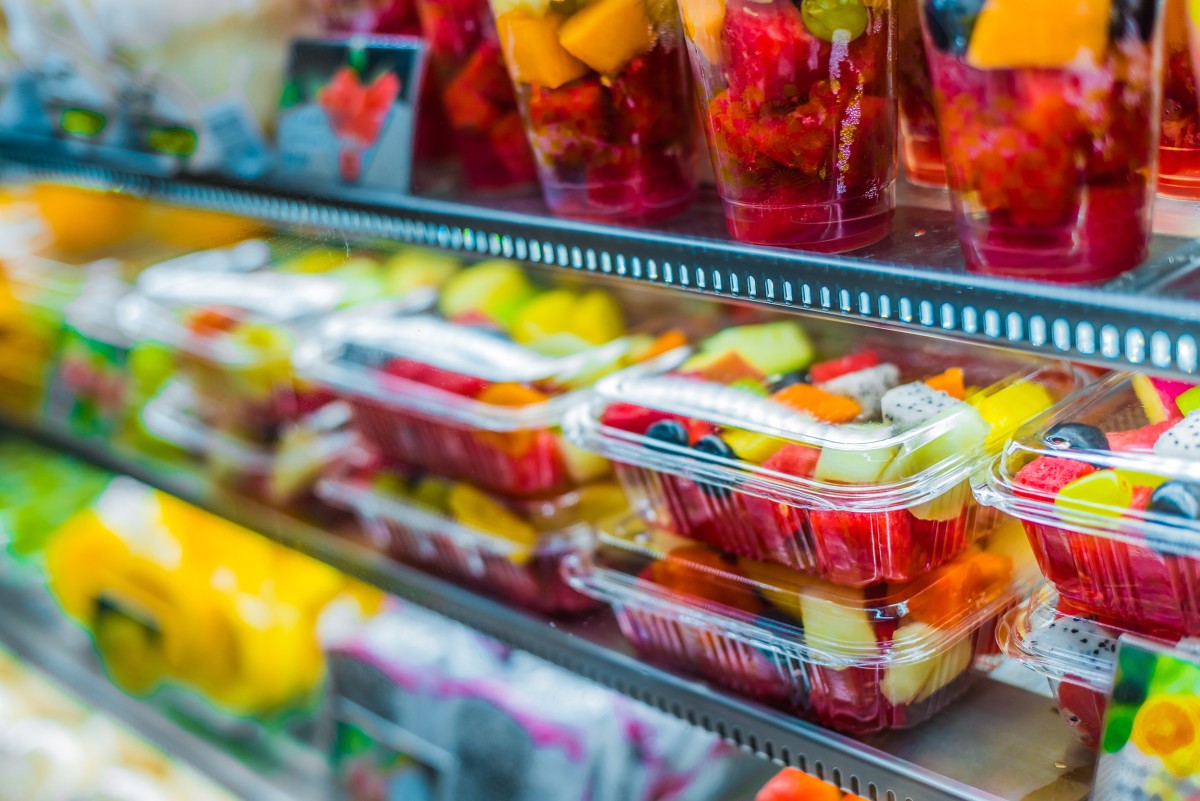

Biomaster_Food_Packaging_Fruit.jpg

Developing Flexible Films with Biomaster

Bring antimicrobial product protection into your film development process with Biomaster from Addmaster. We work with film manufacturers, converters and brands to assess suitable formulations, plan production trials and evaluate performance in the finished material.

Whether you are developing a new film or adapting an existing specification, a clear project brief helps establish the right starting point. Tell us about your polymer, film construction, manufacturing process and intended application, and we can help identify the next steps.
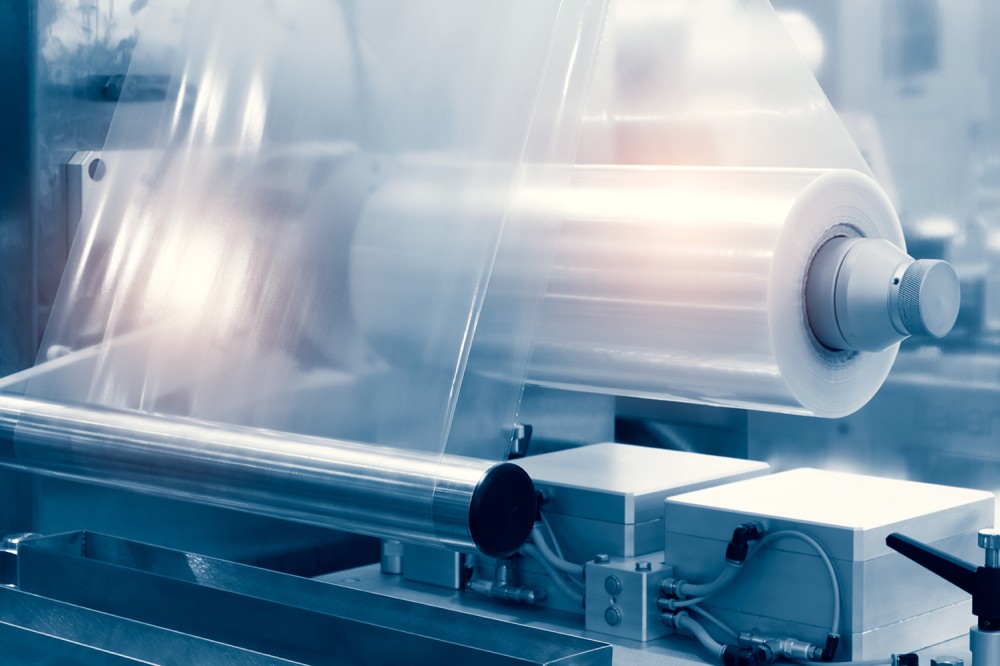
Biomaster_Plastic_Films_Machine.jpg

Start with Your Application

A successful development project begins with a defined purpose. What will the film be used for, which surface requires antimicrobial protection, and what benefit do you want to demonstrate in the treated material?

A reusable protective cover may have different requirements from a disposable liner or a laminated pouch. Explain how the product will be handled, stored and used, including any exposure to moisture, cleaning or repeated contact. These details help establish whether Biomaster is appropriate and what the development programme needs to evaluate.

For packaging projects, identify the intended contents and whether the proposed treated surface will be in direct contact with them. Protection of the film surface and preservation of packaged contents are separate objectives and need to be assessed accordingly.

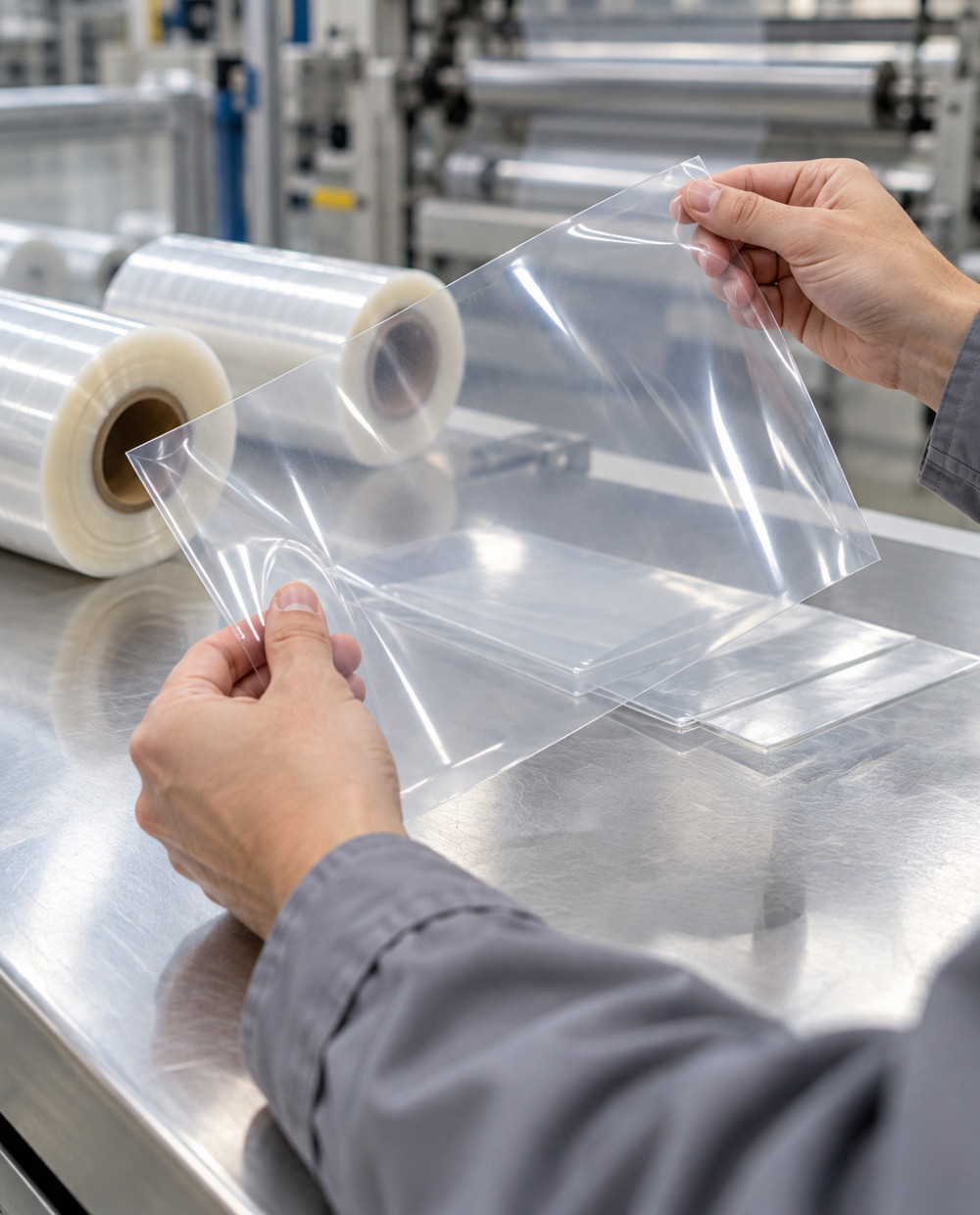
Transparent Film Specification Inspection_83749.jpg

Prepare Your Film Specification

Sharing your existing specification helps us assess how Biomaster could fit into your material and production process. If your product is still in development, provide the information available so far; you do not need a completed specification to begin a conversation.

Polymer and Formulation
Identify the polymer grades and blends used in the film, together with any recycled content, pigments, fillers and processing additives. Include the properties your current formulation is designed to deliver and any restrictions on changes to its composition.

Film Construction
Describe the total film thickness and, for multilayer structures, the composition and thickness of each relevant layer. Identify the exposed surface requiring protection and any subsequent printing, coating or lamination.

Manufacturing and Converting
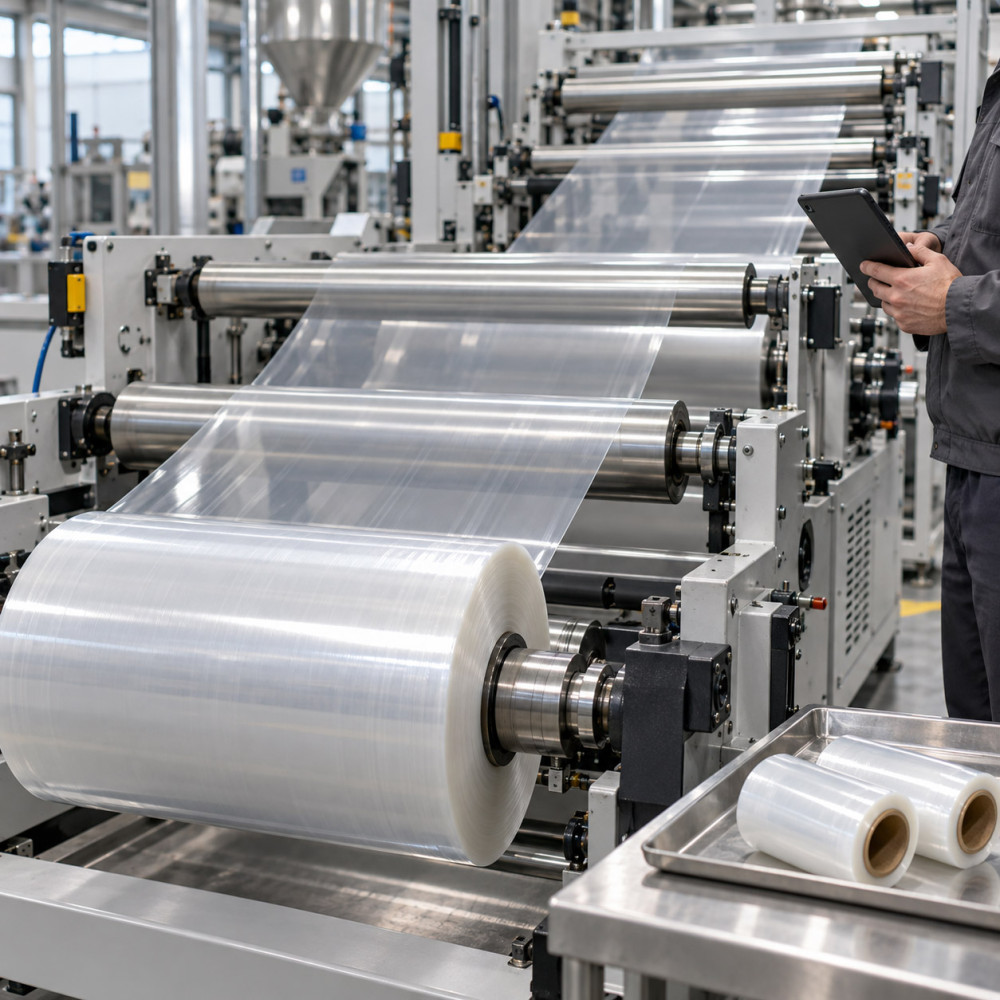
Tell us whether the film is produced by blown film extrusion, cast film extrusion or another process. Include the operating conditions available to you and the converting steps needed to create the finished product, such as sealing, printing or pouch manufacture.

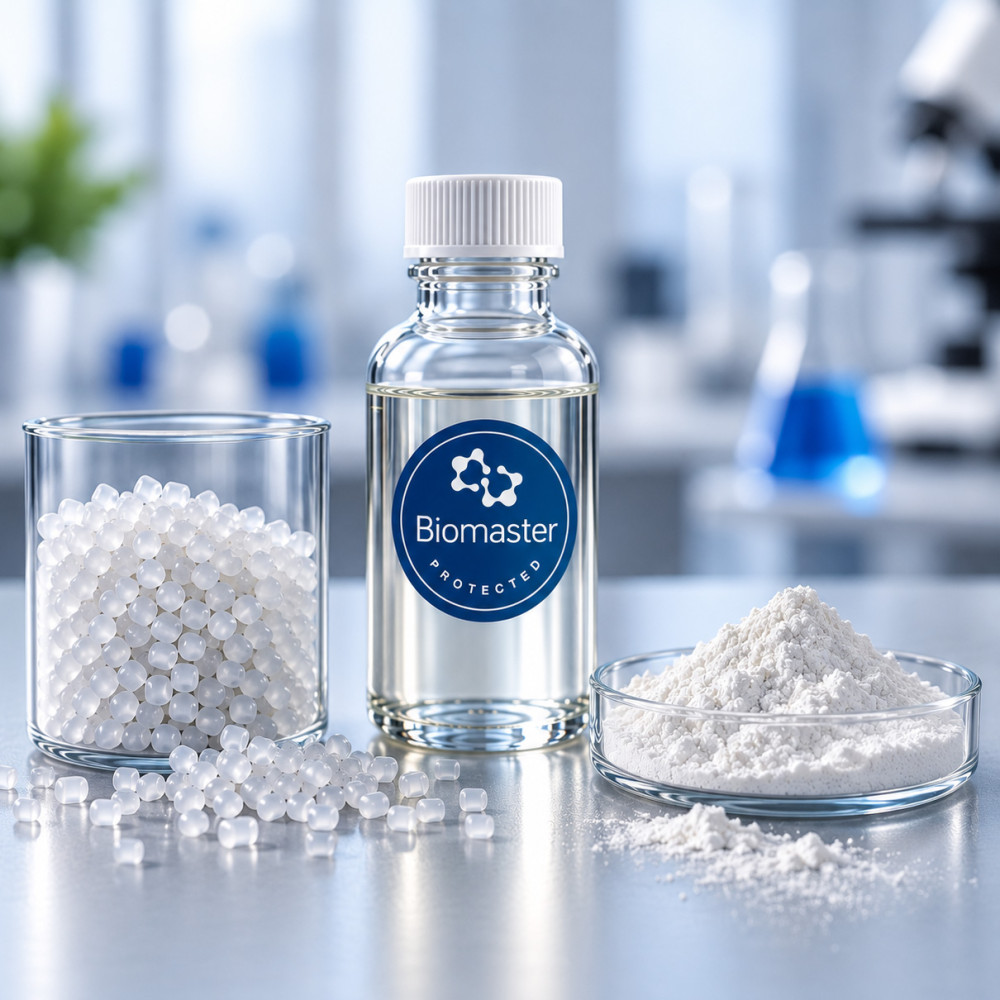
Addmaster_biomaster_masterbatch_types_33333330.jpg

Select a Biomaster Formulation

Formulation selection brings the material, production process and intended performance together. Addmaster can assess an appropriate Biomaster grade and incorporation approach using the information in your project brief.

For suitable extrusion applications, an antimicrobial masterbatch can provide a practical way to introduce Biomaster into the polymer. The carrier, addition rate and dosing requirements should be agreed for the specific film construction before trials begin.

A recommendation for one film should not automatically be transferred to another resin blend, layer thickness or application. Keeping the formulation and manufacturing details clear helps make trial results useful for the product you intend to produce.

Transparent Film Pilot Production Trial_475745.jpg

Plan Your Production Trial

A representative trial allows you to assess the proposed formulation under relevant manufacturing conditions. Before starting, agree what the trial needs to establish, which conditions will be recorded and which samples will be retained for evaluation.

Where practical, prepare an equivalent untreated film for comparison. Record the resin and additive grades, dosing level, film construction and processing conditions for each sample. Clear sample identification helps connect subsequent test results with the material and conditions that produced them.

Include the converting stages that matter to the final application. If the film will be printed, laminated or heat sealed, the evaluation should consider the resulting construction as well as the film leaving the extrusion line.

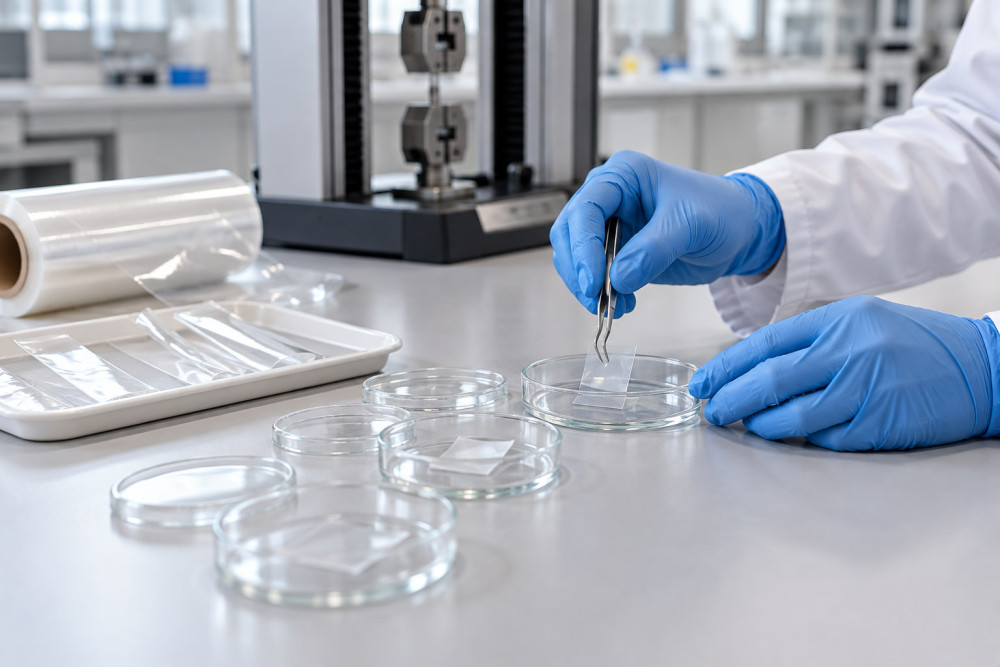
Precision Film Sample Preparation_98734.jpg

Evaluate the Finished Film

Testing should use representative samples of the finished material, with the treated surface clearly identified. Addmaster can help you discuss the intended performance with the testing laboratory and establish an appropriate approach.

Review antimicrobial results alongside the physical and processing checks. If the formulation, layer structure or converting process changes, consider whether further testing is needed before applying the earlier results to the revised film.

Product claims should reflect the evidence obtained and the conditions evaluated. Biomaster provides product protection for the treated material; it does not make the film sterile or replace normal cleaning and appropriate handling.

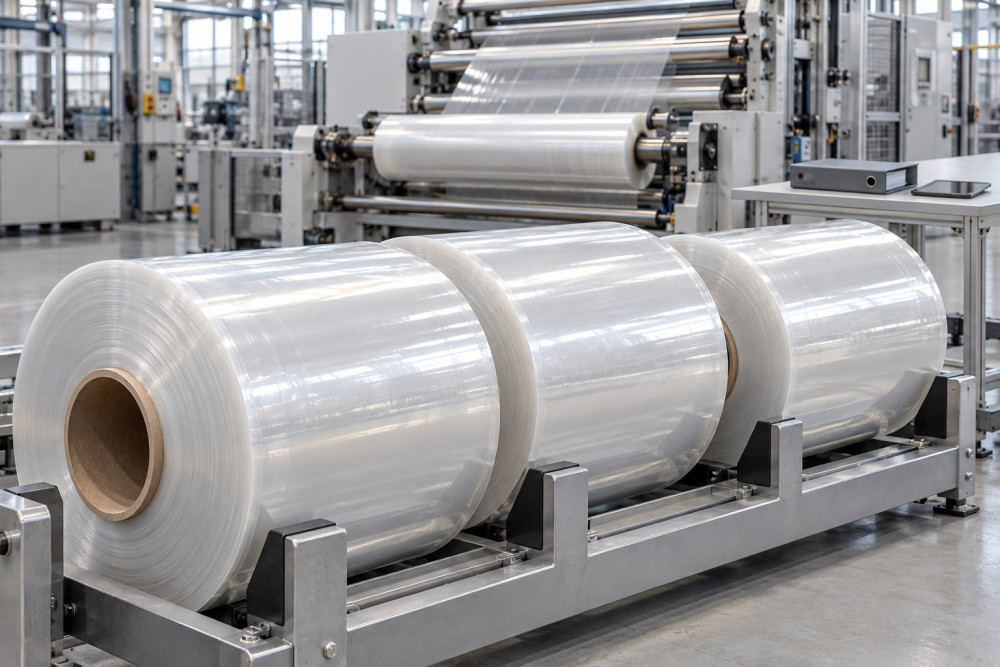
Clear Film Rolls in Full Production_86446.jpg

Move Towards Commercial Production

Once the trial results have been reviewed, the next stage is to define the agreed formulation, production requirements and supporting documentation for the proposed product.

Addmaster can support discussions around further trials, testing, regulatory requirements and product communication. Where food contact is proposed, the specific formulation, contact conditions and destination markets need to be considered as part of development.

The aim is a film specification your team can manufacture, evaluate and explain clearly to customers.

Download our Biomaster brochure to find out more

Download Brochure

Flexible films case studies

View our case studies
  • Cedo Food Preparation
    • Biomaster
    • Verimaster
    • Scentmaster
    Cedo Food Preparation

Add Biomaster protection to your range of flexible film packaging

Get in Touch