Antimicrobial Additives for Different Types of Plastic: A Manufacturer’s Guide

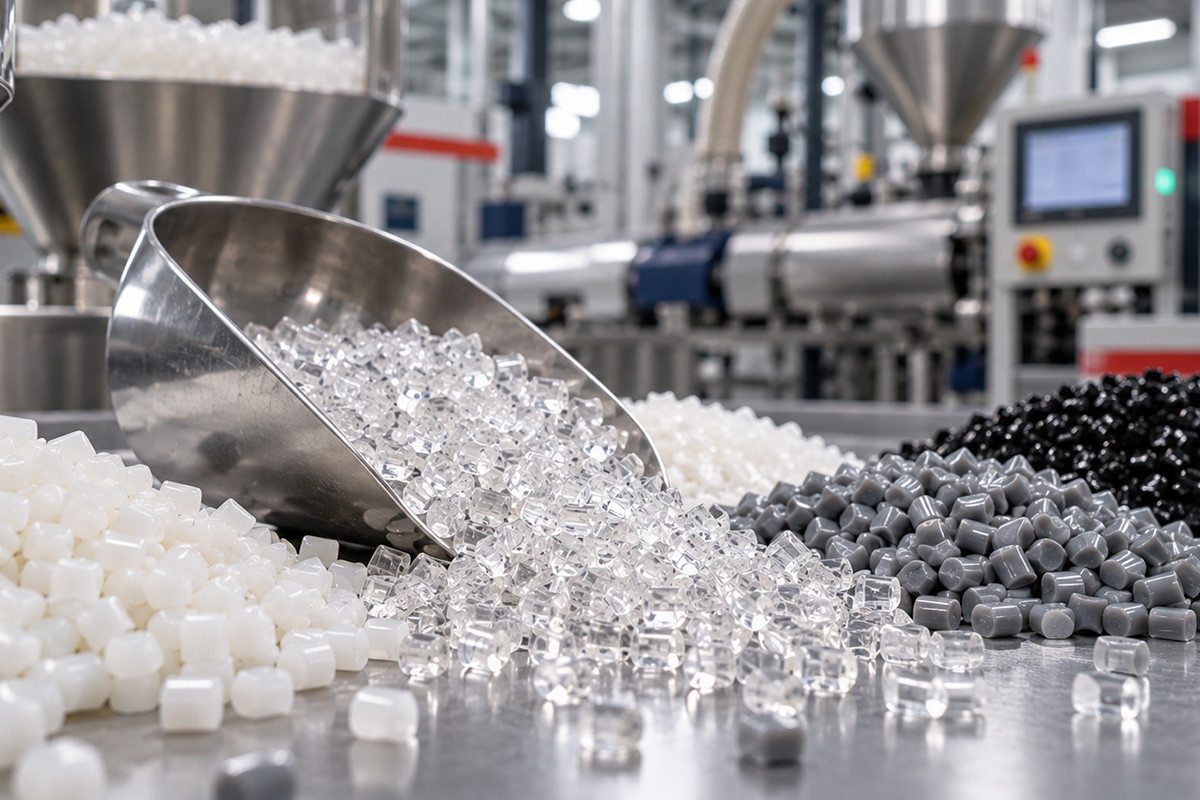
Plastics are not a single material. Polypropylene, polyethylene, ABS, PVC and engineering polymers all have different properties, processing requirements and end-use applications. When antimicrobial functionality is required, those differences matter.
An antimicrobial additive needs to be suitable for the polymer, manufacturing process, processing conditions and intended application. A formulation developed for one material should not automatically be assumed to be appropriate for another.
For manufacturers considering antimicrobial technology, the starting point should therefore be the complete material system. This guide looks at some of the most widely used polymer families and the factors manufacturers should consider when incorporating antimicrobial additives into plastic products.
For a broader introduction to the subject, read our guide to the use of antimicrobial additives in plastics.
Why Polymer Type Matters
Antimicrobial technology can be incorporated into many types of plastic during manufacture. Addmaster supports manufacturers developing antimicrobial plastics and polymers across a wide range of materials and manufacturing processes.
Depending on the material and production process, the technology may be supplied as a masterbatch, powder or liquid formulation and introduced during processes such as injection moulding, extrusion, blow moulding or rotational moulding. However, different polymers can require different processing temperatures, carrier systems, additive concentrations and manufacturing conditions.
Other components within the formulation may also need to be considered, including:
- Pigments and colourants
- Fillers
- Stabilisers
- Plasticisers
- Flame retardants
- Processing aids
- Recycled content
- Other functional additives
The objective is not simply to add antimicrobial technology to a polymer. It is to develop a finished plastic formulation that delivers the required material characteristics and antimicrobial performance.
Antimicrobial Additives for Polypropylene (PP)
Polypropylene is one of the world's most widely used thermoplastics. Its relatively low density, chemical resistance, processability and versatility make it suitable for applications ranging from consumer products and packaging to healthcare components, automotive interiors and household products.
PP can be processed using methods including injection moulding, extrusion and blow moulding.
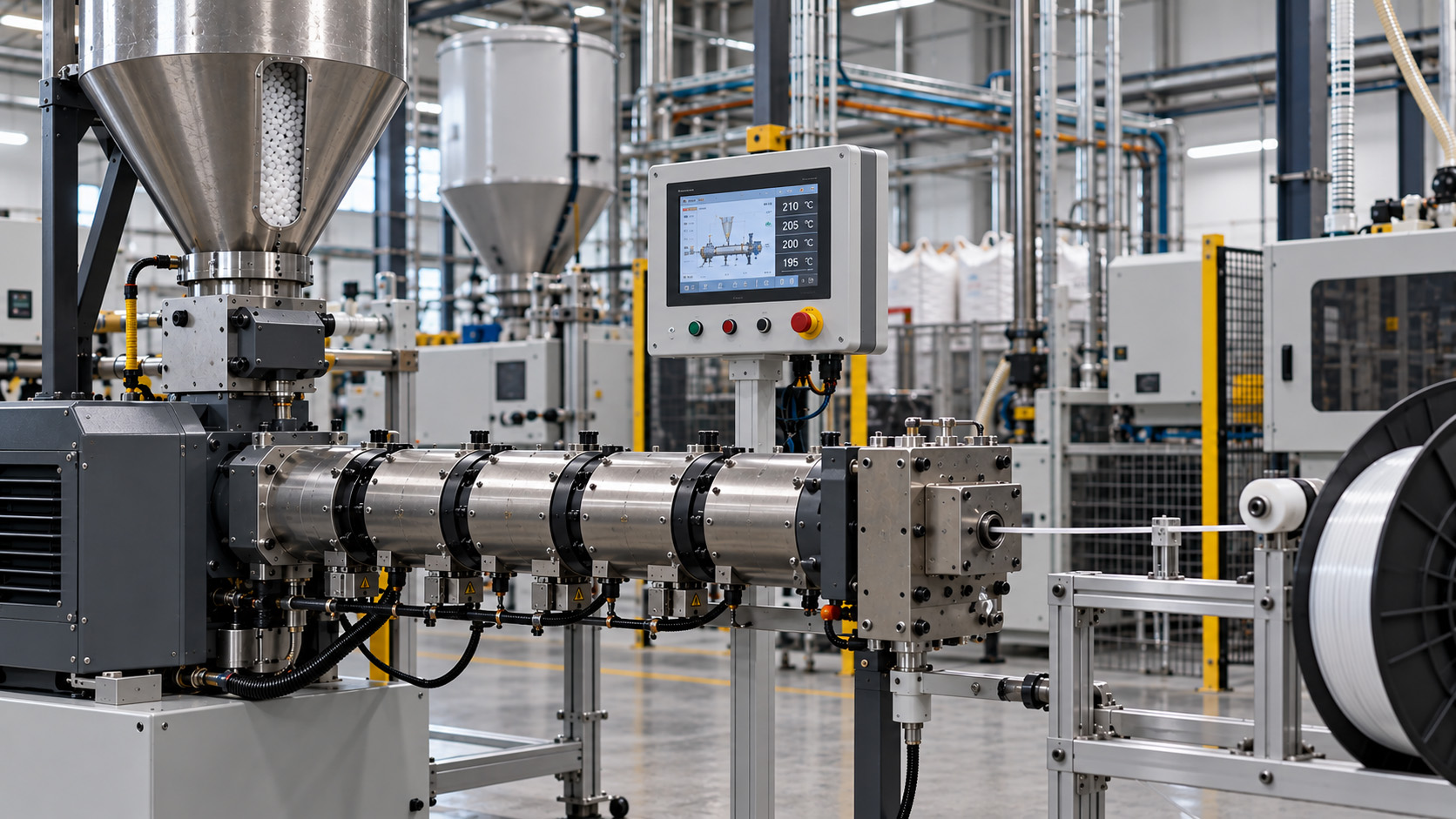
Antimicrobial technology can be incorporated into suitable polypropylene formulations during manufacture. For many applications, an antimicrobial masterbatch provides a practical method of introducing the technology into the base polymer at a controlled addition rate.
Development should take account of the complete PP formulation, including pigments, fillers and other additives, together with the intended manufacturing conditions. The finished material should then be tested to confirm that the required antimicrobial performance has been achieved.
Antimicrobial Additives for Polyethylene (PE)
Polyethylene is another major thermoplastic family and includes materials such as high-density polyethylene (HDPE) and low-density polyethylene (LDPE). It is widely used in applications including containers, packaging, films, pipes, household products and industrial components.
Different polyethylene grades have different physical and processing characteristics, so the precise material being used needs to form part of the antimicrobial formulation assessment.
Suitable antimicrobial technology may be incorporated during processes such as extrusion, injection moulding and blow moulding.
Flexible-film applications can introduce additional considerations because the antimicrobial technology may need to be incorporated into a particular layer of a multilayer construction rather than throughout the complete structure.
As with other polymers, performance should be assessed in the finished material.
Antimicrobial Additives for ABS
Acrylonitrile butadiene styrene, commonly known as ABS, combines rigidity and impact resistance with good processing and surface-finish characteristics. It is frequently used for moulded housings, equipment components, consumer products, electronics and other applications where appearance and mechanical performance are important.
Antimicrobial additives can be considered for suitable ABS formulations.
Because ABS products can have demanding aesthetic requirements, manufacturers may need to consider factors including colour, surface finish and the interaction between the antimicrobial formulation and other components within the polymer system.
Manufacturing trials allow these characteristics to be assessed before commercial production.
Antimicrobial Additives for PVC
Polyvinyl chloride, or PVC, is used in both rigid and flexible products. Applications range from construction products and profiles to flooring, wall coverings, healthcare products and other manufactured components.
PVC formulations can be relatively complex. Depending on the application, they may contain plasticisers, stabilisers, pigments, fillers and other functional additives. The antimicrobial formulation therefore needs to be considered as one component within the complete PVC system.
Rigid and flexible PVC may also require different approaches. Manufacturers should evaluate compatibility with the particular formulation and processing conditions rather than assuming that an antimicrobial solution used successfully in one PVC product will automatically transfer to another.
Antimicrobial Additives for PET
Polyethylene terephthalate, or PET, is widely associated with bottles and packaging but is also used in films, sheets and other applications. When considering antimicrobial technology for PET, manufacturers need to take account of processing temperature, material characteristics and the intended finished application.
Packaging applications can also introduce specific regulatory considerations, particularly where food contact is involved. The regulatory status of the complete intended application should therefore be considered alongside technical performance.
Antimicrobial Additives for Polycarbonate
Polycarbonate is an engineering thermoplastic valued for properties including impact resistance, dimensional stability and, in appropriate grades, optical clarity. Applications can include equipment housings, electronic components, medical products and other demanding moulded parts.
The relatively high processing temperatures associated with engineering polymers make thermal compatibility an important consideration when selecting antimicrobial technology.
Where transparency or appearance is important, manufacturers should also assess whether the complete formulation meets the required optical and aesthetic characteristics. Trials using the intended material and production conditions are therefore important.
Antimicrobial Additives for Polyamide (Nylon)
Polyamides, commonly referred to as nylon, are used in engineering applications requiring combinations of strength, wear resistance and temperature performance.
Different polyamide grades can behave differently during processing and in service. Moisture behaviour, processing temperature, reinforcement and other formulation components may all need to be considered when introducing additional functionality.
For glass-filled or otherwise reinforced polyamides, the complete formulation should be assessed rather than treating the polymer independently from its reinforcement and additives.
An antimicrobial formulation intended for a polyamide application should therefore be selected with the specific grade and manufacturing process in mind.
Antimicrobial Additives for PEEK and High-Temperature Engineering Plastics
PEEK and other high-performance engineering polymers are used where conventional commodity plastics may not provide the required temperature, chemical or mechanical performance.
These materials can involve significantly higher processing temperatures. This makes formulation selection particularly important.
An antimicrobial technology suitable for polypropylene, for example, should not automatically be assumed to be suitable for a high-temperature engineering polymer. The active technology, carrier system and complete formulation need to be compatible with the intended processing environment.
For technically demanding applications, early discussion of the polymer grade and manufacturing conditions can help determine whether antimicrobial treatment is practical.
Antimicrobial Additives for Polyurethane
Polyurethane can be produced in a wide variety of forms, from flexible foams to rigid materials and elastomeric products. Because polyurethane systems vary considerably, antimicrobial technology needs to be considered in relation to the specific chemistry and manufacturing method involved. Applications may include furnishings, equipment components, wheels, handles, cushioning materials and other products.
The appropriate method of incorporating antimicrobial technology will depend on the polyurethane system and production process. Manufacturers should therefore provide detailed information about the intended material and application during the development stage.
Antimicrobial Additives for TPE and TPU
Thermoplastic elastomers and thermoplastic polyurethane combine characteristics associated with elastomers with thermoplastic processing. They are used for applications including grips, handles, seals, flexible components, wearable products and overmoulded surfaces. These applications can involve regular handling, moisture or repeated use, making control of microbial growth on the treated material relevant in some product designs.
However, TPE and TPU formulations can vary substantially. The antimicrobial formulation therefore needs to be assessed against the particular material grade, processing temperature and other components within the system.
Antimicrobial Technology in Silicone
Silicone materials are used across healthcare, consumer, industrial and other applications because of characteristics including flexibility and temperature resistance.
Silicone is fundamentally different from conventional thermoplastics, so antimicrobial technology needs to be selected and incorporated appropriately for the particular silicone system and curing process. The manufacturer should consider the complete material formulation and finished application when assessing suitability.
As with other materials, testing of the finished treated product is important.
What About Recycled Plastics?
The increasing use of recycled polymers introduces another consideration for antimicrobial product development. Post-industrial recycled material, post-consumer recycled material and virgin/recycled blends can have different characteristics from virgin polymer.
Depending on the source, recycled materials may contain residual pigments, fillers, stabilisers or other additives and may have undergone previous thermal processing. This does not mean antimicrobial technology cannot be considered for recycled plastics. It means that the actual recycled formulation should form part of the development and testing programme.
Changes in recycled content or feedstock may also need to be assessed where they materially alter the finished formulation.
For a closer look at feedstock information, production trials and formulation changes, read our guide to antimicrobial additives for recycled plastics.
Choosing the Right Antimicrobial Additive Format
Polymer selection is only one part of the development process. The format in which antimicrobial technology is supplied also needs to be appropriate for the manufacturing method.
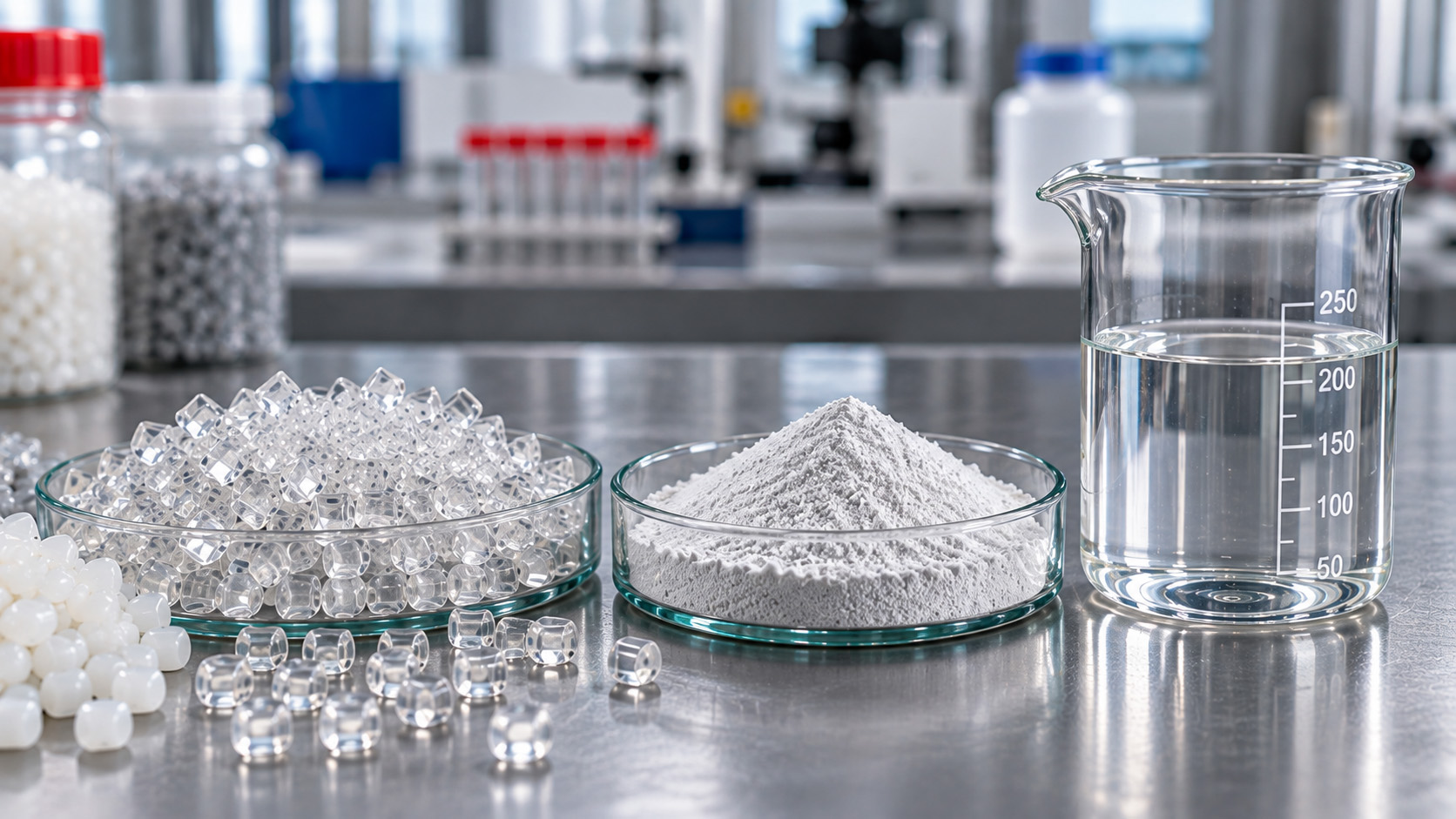
Masterbatch - Antimicrobial masterbatch provides the active technology within a carrier material and can be introduced into suitable thermoplastics during processing. The carrier system should be compatible with the polymer and manufacturing conditions.
Powder - Powder formulations may be appropriate for particular compounding or manufacturing processes where direct addition provides suitable incorporation and dispersion.
Liquid - Liquid antimicrobial formulations can be used in suitable manufacturing systems where liquid dosing is appropriate.
There is no universally correct format. The choice should be based on the polymer, manufacturing process, equipment, processing conditions and intended finished product.
Manufacturing Process Matters Too
Two manufacturers using the same polymer may still require different approaches if their manufacturing processes differ.
Antimicrobial technology can potentially be incorporated during processes including:
- Injection moulding
- Extrusion
- Blow moulding
- Rotational moulding
- Film production
- Compounding
Each process introduces different conditions. Processing temperature, residence time, shear, dosing and dispersion can all influence formulation development. This is why both material and process should be considered when selecting antimicrobial technology.
Testing the Finished Antimicrobial Plastic
Successful processing does not by itself demonstrate antimicrobial performance. The finished treated material should be tested using an appropriate method.
For antibacterial activity on plastics and other non-porous surfaces, ISO 22196 is commonly used. Testing the finished construction is important because the polymer, additive formulation, manufacturing process and other material components can all influence the final result.
Manufacturers should therefore plan testing as part of product development rather than assuming that performance data for the antimicrobial ingredient automatically applies to the finished plastic.
Start With the Application, Not the Additive
When developing an antimicrobial plastic product, it can be tempting to begin by asking:
Which antimicrobial additive should we use? A more useful starting point is What are we making?
From there, the relevant questions include:
- What polymer is being used?
- How will it be manufactured?
- What other additives are present?
- What processing conditions will the material experience?
- Why is antimicrobial functionality relevant to the treated product?
- Where will the finished product be sold?
- What performance evidence will be required?
- What claims are intended?
Once those questions have been answered, an appropriate antimicrobial formulation and development programme can be considered.
Developing Antimicrobial Plastics with Addmaster
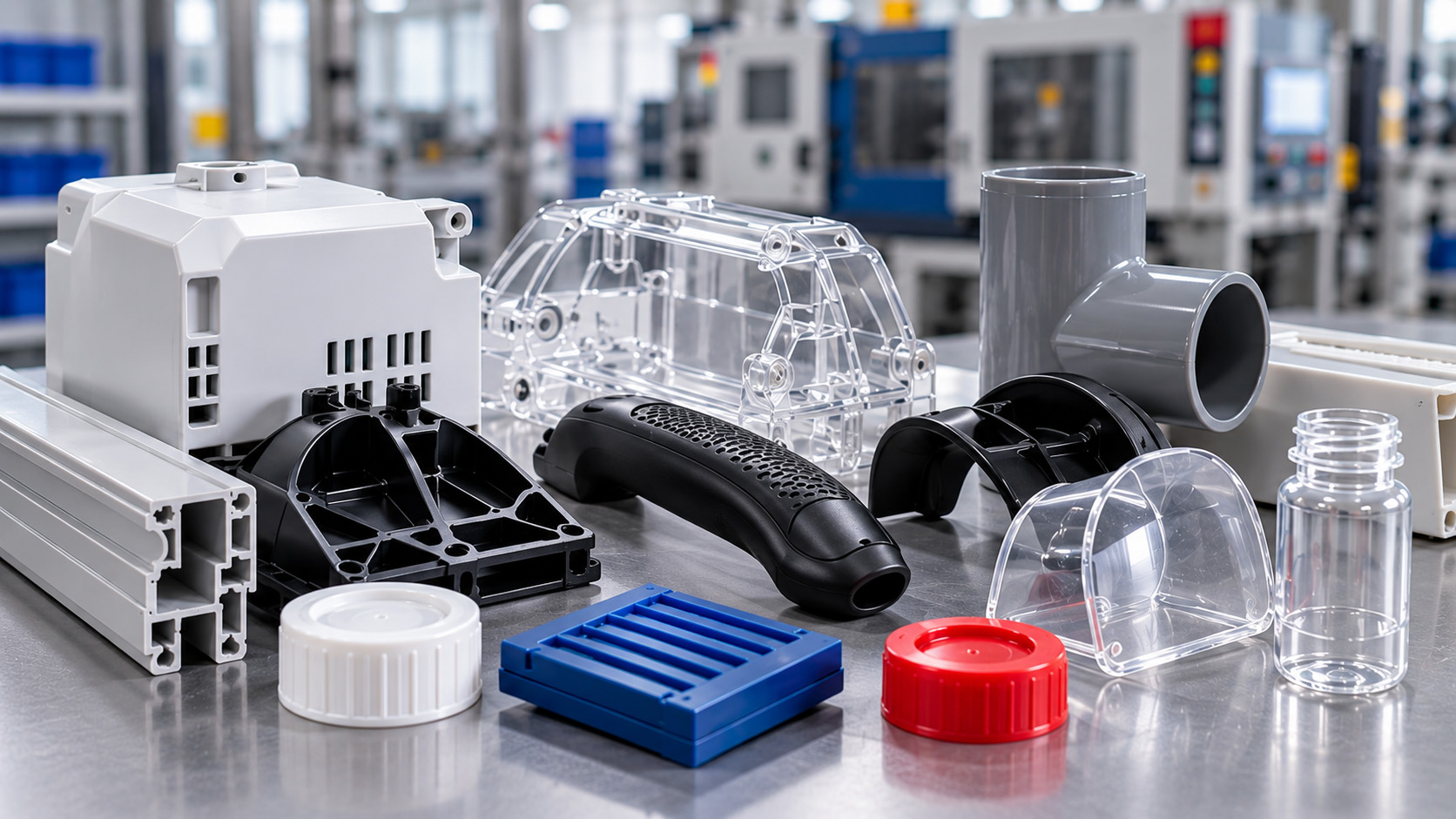
Addmaster works with manufacturers to develop antimicrobial solutions for a wide range of polymers and plastic manufacturing processes. Biomaster antimicrobial technology can be supplied in formats including masterbatch, powder and liquid formulations depending on the material, production method and application.
Our starting point is the manufacturer's product and what it needs to achieve. We can support additive selection, formulation, manufacturing trials, finished-product testing, regulatory considerations and appropriate product communication. This allows antimicrobial technology to be considered as part of the complete material system rather than as an isolated ingredient.
If antimicrobial treatment is unlikely to add meaningful value to an application, we will say so. For manufacturers developing a new plastic product or reviewing an existing formulation, early discussion can help establish the most appropriate development route.
Explore our antimicrobial additives for plastics and polymers or contact Addmaster to discuss your material, manufacturing process and application.
Frequently Asked Questions
Which plastics can contain antimicrobial additives?
Antimicrobial technology can be considered for many polymers, including polypropylene, polyethylene, ABS, PVC and a range of engineering plastics. Suitability depends on the specific polymer grade, formulation, processing conditions and intended application.
Can antimicrobial additives be used in polypropylene?
Yes, suitable antimicrobial formulations can be incorporated into polypropylene during manufacturing processes such as injection moulding and extrusion. The finished material should be tested to verify the required performance.
Can antimicrobial additives be used in polyethylene?
Antimicrobial technology can be considered for suitable polyethylene grades including materials used in moulded products, extrusion and films. Formulation should reflect the particular PE grade and manufacturing process.
Can antimicrobial additives be used in ABS?
Suitable antimicrobial technology can be incorporated into ABS. Manufacturers should consider processing conditions, appearance, other additives and finished-product performance during development.
Can antimicrobial additives be used in PVC?
Antimicrobial additives can be considered for suitable rigid and flexible PVC formulations. Because PVC systems can contain plasticisers, stabilisers, pigments and fillers, the complete formulation should be assessed.
Can antimicrobial additives be used in engineering plastics?
Potentially, yes. Engineering polymers can have demanding processing requirements, including higher temperatures, so antimicrobial technology should be selected for the specific polymer and manufacturing conditions.
Can the same antimicrobial masterbatch be used in every plastic?
Not necessarily. Carrier compatibility, processing temperature, manufacturing method and the complete polymer formulation all need to be considered. A formulation developed for one polymer should not automatically be assumed to be appropriate for another.
Should antimicrobial performance be tested in the finished plastic?
Yes. Finished-product testing provides evidence of performance within the actual polymer formulation and manufacturing system.
What Next?
🔗 Follow us on Social Media, here is our LINK TREE
✉️ See how our additive technology can benefit your business by CONTACTING US
🦠 Find out more about Biomaster Antimicrobial Technology HERE
🎥 Watch our video on how Biomaster works WATCH NOW
📰 Subscribe to our Newsletter - SUBSCRIBE
← Back to blog