The Use of Antimicrobial Additives in Plastics

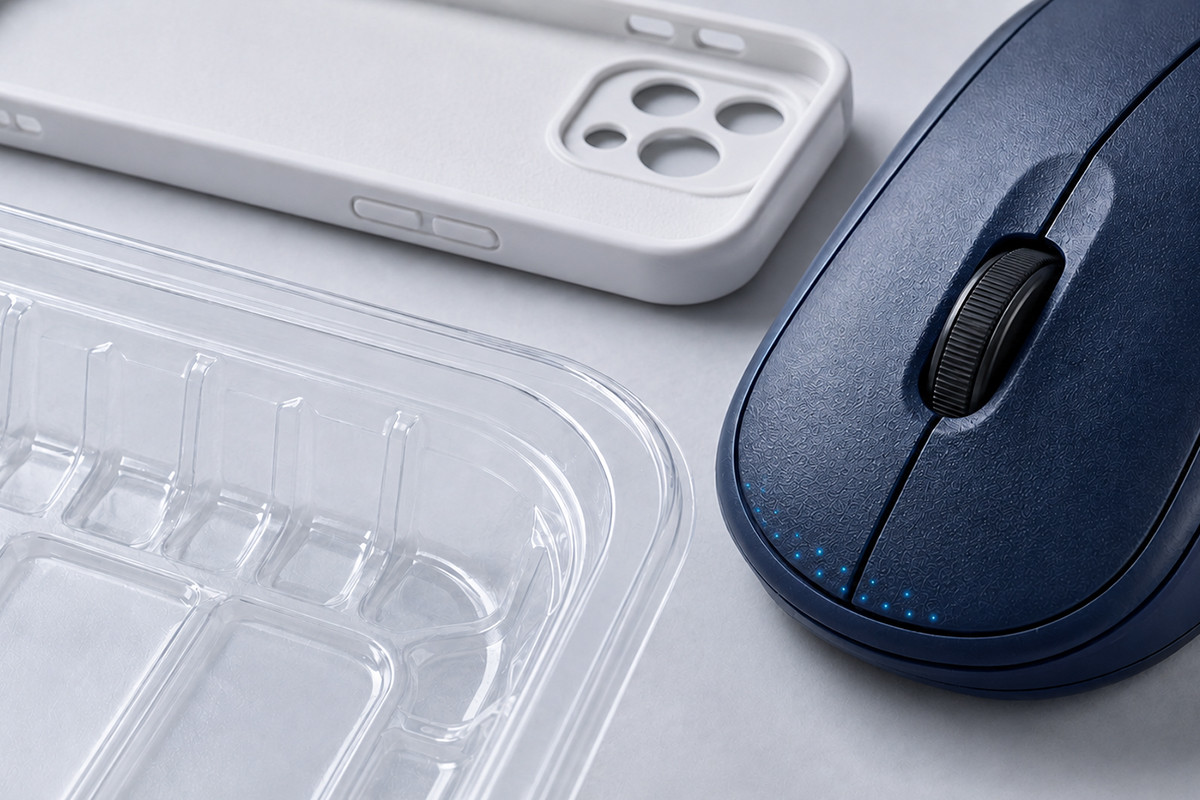
Plastics are used in almost every part of modern life. From medical devices and food packaging to bathroom products, consumer electronics, transport interiors and building materials, polymers offer manufacturers an adaptable combination of durability, low weight, design flexibility and cost efficiency.
Antimicrobial plastics incorporate active technology into the material to inhibit the growth of bacteria and other relevant microorganisms on the treated surface. This can be particularly useful for plastic products that are frequently touched, shared between users, exposed to moisture or expected to remain in service for long periods.
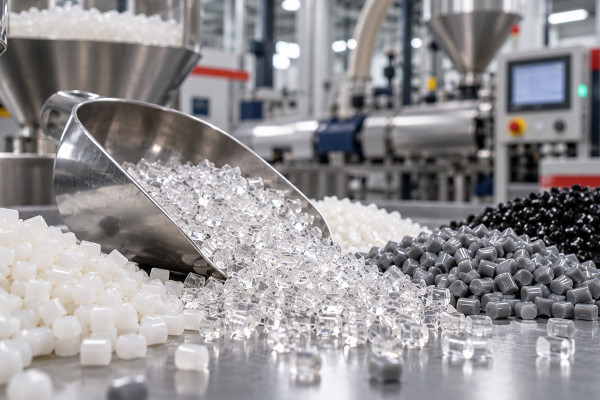
Antimicrobial additives can be introduced during plastics manufacturing using masterbatch, powder or liquid formulations, allowing antimicrobial performance to become part of the finished polymer rather than a treatment applied after manufacture.
A great article in the July 2026 edition of Compounding World explores how antimicrobial additives are being incorporated into a growing range of thermoplastic applications. The feature, “Materials to Prevent Microbial Growth”, written by Jennifer Markarian, highlights several important developments, including the demand for longer-lasting product protection, the challenges associated with recycled polymers, advances in antimicrobial masterbatch technology and the importance of regulatory compliance.
Together, these developments point towards a broader change in the plastics industry. Antimicrobial performance is increasingly being considered as part of material selection and product design rather than as a treatment added after a product has been manufactured.
What are antimicrobial plastics?
Antimicrobial plastics are polymer materials containing an active antimicrobial additive designed to inhibit the growth of microorganisms on the treated material.
The technology can be incorporated during manufacturing so that antimicrobial protection becomes an integral part of the finished plastic product.
Depending on the polymer, manufacturing process and intended application, antimicrobial technology may be supplied as a masterbatch, powder or liquid formulation. It can be used with many common polymers and manufacturing methods, subject to appropriate compatibility, performance and regulatory assessment.
Antimicrobial plastics are used across applications including healthcare products, bathroom components, consumer products, transport interiors, building materials and other plastic products where controlling microbial growth on the treated surface is desirable.
What are antimicrobial additives for plastics?
Antimicrobial additives are active ingredients incorporated into a polymer to inhibit the growth of microorganisms on the finished product surface.
They can be introduced during manufacturing using a masterbatch, powder or liquid formulation. The most appropriate delivery system depends on factors including the polymer, manufacturing method, processing temperature, appearance requirements and intended application.
Unlike a temporary surface treatment, an antimicrobial additive incorporated into the material becomes an integral part of the finished product. It cannot be easily wiped or washed away and can provide continuous product protection throughout the product’s effective lifetime.
Biomaster antimicrobial technology, for example, can be incorporated into a wide variety of polymers and manufacturing processes. When bacteria encounter a Biomaster-protected surface, silver ions interfere with the cellular processes that allow them to grow, produce energy and replicate.
The purpose is not to replace routine cleaning. Instead, built-in antimicrobial technology provides an additional level of product protection between cleaning cycles, helping to inhibit microbial growth on the treated surface.
Antimicrobial vs Antibacterial Plastics
The terms antimicrobial plastics and antibacterial plastics are sometimes used interchangeably, but they do not mean exactly the same thing.
Antibacterial refers specifically to activity against bacteria. Antimicrobial is a broader term that may describe activity against different types of microorganisms, depending on the technology used and the evidence supporting the finished product.
For manufacturers, the distinction is important because product claims should reflect the organisms against which the treated material has been appropriately tested.
ISO 22196, for example, is commonly used to evaluate antibacterial activity on plastics and other non-porous surfaces under controlled laboratory conditions.
Rather than assuming that an antibacterial result demonstrates broader antimicrobial performance, manufacturers should establish the intended claim and select appropriate testing accordingly.
Developing an antimicrobial plastic product?
Explore our guide to antimicrobial additives for plastics and polymers, including materials, manufacturing processes, testing and product development.
Antimicrobial additives for plastics and polymers
Why demand for antimicrobial plastics is increasing
The growth of antimicrobial plastics is being driven by several overlapping product-development challenges.
Manufacturers are expected to create products that remain functional and visually acceptable for longer. At the same time, many applications are being designed for shared environments where surfaces may be repeatedly handled by different users.
Healthcare products, bathroom fittings, reusable food-contact equipment, public transport interiors, office equipment and consumer electronics are just some of the applications in which frequent contact can make surface cleanliness an important design consideration.
Moisture introduces an additional challenge. Plastic components used in kitchens, bathrooms, drainage systems, food-processing environments and outdoor applications can experience conditions that support microbial growth. This can contribute to staining, unpleasant odours, biofilm formation or a deterioration in the appearance of the finished product.
By incorporating antimicrobial product protection into the material, manufacturers can make microbial control part of the product itself.
Antimicrobial protection and product durability
One of the most interesting themes raised by Compounding World is the relationship between antimicrobial technology and product durability.
When durability is discussed, attention usually focuses on mechanical wear, UV exposure, heat, chemicals and abrasion. Microorganisms may receive less consideration, even though microbial growth can influence the appearance, cleanliness and long-term usability of materials in certain environments.
Biofilms can trap moisture and contaminants against a surface. Microbial activity may also contribute to odour, staining and changes in local surface conditions. These effects do not necessarily produce an immediate structural failure, but they can make a product appear dirty, deteriorated or unsuitable for continued use.
This matters because a product can reach the end of its practical life before the underlying polymer has lost its mechanical performance. If staining, odour or persistent microbial contamination causes an otherwise functional product to be replaced, there is an associated material, financial and environmental cost.
Antimicrobial additives can therefore form part of a wider durability strategy. By controlling microbial growth on the treated surface, they can help products retain their intended condition and remain suitable for use for longer.
The technology should not be presented as a universal solution to plastic degradation. Its value depends on the material, application and environmental conditions. However, where microorganisms are a recognised cause of deterioration, antimicrobial product protection can address a factor that conventional durability testing may overlook.
The move towards application-specific formulations
There is no single antimicrobial formulation that is automatically suitable for every polymer application.
PVC, polyethylene, polypropylene, PET, engineering plastics and elastomers all have different processing and performance characteristics. Manufacturing techniques such as injection moulding, extrusion, blow moulding, film production and fibre spinning also place different demands on an additive.
Processing temperature is one consideration. The antimicrobial formulation must remain stable under the temperatures required to process the host polymer. Dispersion is equally important because the active ingredient must be distributed consistently throughout the material.
The additive must also be compatible with the product’s other performance requirements. These could include colour, transparency, mechanical strength, surface finish, UV resistance, flame retardancy or food-contact compliance.
This is why antimicrobial product development should begin with the intended application rather than the additive alone. The relevant questions include:
- Which polymer and manufacturing process will be used?
- What temperatures will the material experience?
- Where and how will the finished product be used?
- Which microorganisms are relevant to that environment?
- What antimicrobial claim does the manufacturer want to make?
- Which testing and regulatory requirements apply in the intended market?
Answering these questions allows the formulation, inclusion rate and testing programme to be matched to the product.
Addmaster works with manufacturers to assess the polymer, processing method, application and intended performance before recommending a suitable antimicrobial additive for plastics.
The challenge of recycled polymer content
The increased use of post-consumer recycled material is creating new formulation challenges for plastics manufacturers.
Recycled feedstocks can be more variable than virgin polymers. Differences in previous use, collection, sorting and reprocessing may influence colour, odour, contamination levels and material performance. The additives and processing history contained within recycled plastics can also affect how a new formulation behaves.
As highlighted in Compounding World, manufacturers want additive technologies capable of performing reliably despite this variation.
Antimicrobial technology may have a role within a broader package of measures intended to maintain the appearance, usability and service life of recycled-content products. However, the additive must be tested in the actual recycled formulation rather than assumed to behave in the same way as it would in a virgin polymer.
This reflects an important principle in antimicrobial product development, successful performance depends on the complete material system.
The polymer, recycled content, pigments, fillers, processing aids and other functional additives can all affect the final result. Representative testing is therefore essential, especially when the composition of the feedstock is likely to vary.
Antimicrobial additives do not resolve every challenge associated with recycled plastics. They cannot remove existing contamination, correct poor-quality feedstock or compensate for inadequate processing. Their value is in helping control microbial growth in the finished material as part of a properly engineered formulation.
Applications across the plastics industry
Antimicrobial technology can be incorporated into plastic products across a wide range of sectors.
In healthcare, potential applications include equipment housings, bed components, mobility products, dispensers and frequently touched accessories. These products still require appropriate cleaning and disinfection, but built-in product protection can help control microbial growth between cleaning cycles.
In bathrooms and washrooms, antimicrobial additives can be used in toilet seats, shower components, soap dispensers, wall panels, drainage products and other surfaces exposed to repeated contact and moisture.
For consumer and workplace products, potential applications include phone cases, computer accessories, point-of-sale equipment, reusable containers and shared electronic devices.
Antimicrobial plastics can also be used in transport interiors, care environments, building products, household equipment, waste-management products and food-processing equipment.
The value of the technology is not determined simply by whether a product is plastic. It depends on how that product is used. High-touch surfaces, shared products, moisture exposure, difficult-to-clean components and applications requiring extended service life are all factors that may strengthen the case for built-in product protection.
Antimicrobial technology in active packaging
The Compounding World article also considers the development of antimicrobial active packaging.
Conventional packaging acts primarily as a physical barrier. Active packaging is designed to interact with conditions inside or around the package to support a particular outcome. Depending on the application, this may involve controlling oxygen, absorbing moisture or inhibiting microorganisms.
Antimicrobial packaging has potential in applications where microbial growth contributes to spoilage and food waste. Technologies may be incorporated into films, liners, inserts, coatings or other packaging components.
This is a highly specialised area. The correct technology depends on the food, microorganism, packaging format, storage conditions and supply chain. Food-contact compliance, migration behaviour, efficacy and the intended consumer claim must all be carefully evaluated.
It is therefore important not to assume that an antimicrobial additive used in a durable plastic product can automatically be transferred into food packaging. Active packaging requires application-specific formulation, testing and regulatory assessment.
Nevertheless, it represents an important direction for polymer innovation. If packaging can help products remain usable for longer without compromising safety or quality, it may contribute to efforts to reduce avoidable food waste.
Testing must reflect the intended product claim
Antimicrobial performance should be supported by appropriate independent testing.
Our guide to ISO 22196 testing explains how the method is used to evaluate antibacterial activity on treated plastics and other non-porous surfaces.. It allows treated and untreated samples to be compared under controlled laboratory conditions. Biomaster-treated plastic solutions are independently tested using recognised standards selected for the product and intended application.
However, a successful laboratory result must be interpreted correctly. Test conditions, contact time, temperature, humidity and the microorganisms used can all affect the outcome.
A result obtained under a 24-hour laboratory test should not automatically be translated into a rapid disinfection claim. Nor should activity against one bacterial species be assumed to demonstrate equivalent performance against every bacterium, fungus or virus.
The intended commercial claim should therefore be established before the testing programme is designed. This ensures that the selected method, organisms and test conditions provide relevant evidence.
Regulatory compliance and responsible communication
The regulatory position of antimicrobial-treated products varies between markets and applications.
Within the European Union, the Biocidal Products Regulation contains specific provisions for treated articles. Products incorporating a biocidal treatment may only use active substances approved for the relevant purpose, while claims and labelling must comply with the applicable requirements. The European Commission provides dedicated guidance covering products that have been treated with or intentionally incorporate a biocidal product. European Commission guidance on treated articles
Requirements in the United States operate under a different framework, including rules administered by the Environmental Protection Agency. Other countries and regions have their own requirements.
The distinction between product protection and public-health claims is particularly important. A statement that a technology inhibits microbial growth on a treated product is not the same as claiming that the product prevents infection, protects its user from illness or disinfects the surrounding environment.
Responsible antimicrobial product development therefore involves more than selecting an additive. It requires technical validation, regulatory review, suitable labelling and carefully controlled marketing language.
Designing antimicrobial performance into the product
The strongest antimicrobial applications are usually those in which the technology is considered early in the product-development process.
Early involvement makes it possible to assess polymer compatibility, processing conditions, target organisms, regulatory requirements and the intended claims before a design is finalised. It also allows treated samples or test plaques to be produced and compared against an untreated control.
This can reduce the risk of discovering late in the development process that a formulation affects colour, transparency, processing behaviour or another critical property.
It also creates an opportunity to consider antimicrobial technology as part of a wider design strategy. Cleaning accessibility, material durability, moisture management, repairability and end-of-life options should all be considered alongside microbial control.
Antimicrobial additives work best when they complement good product design and appropriate cleaning practices.
A more considered approach to plastic performance
The July 2026 Compounding World feature demonstrates that antimicrobial additives are becoming relevant to a broader set of plastics-industry priorities.
The conversation is no longer limited to whether an additive can reduce bacterial growth under laboratory conditions. Manufacturers are also considering how the technology performs in recycled materials, whether it can withstand demanding processing conditions, how it may contribute to product longevity and what evidence is required to support commercial claims.
For manufacturers, the opportunity is to address microbial growth at material level. Instead of relying entirely on treatments applied after manufacture, antimicrobial protection can be incorporated into the polymer and engineered around the conditions in which the product will actually be used.
Biomaster antimicrobial technology is available in masterbatch, liquid and powder formulations for plastics and polymers. Addmaster supports manufacturers throughout development, from material selection and sample production to independent testing, regulatory guidance and customer-facing marketing support, with no licence fees.
To discuss incorporating antimicrobial protection into a plastic product or polymer formulation, contact the Addmaster team.
To find out more about the benefits of antimicrobial plastics visit our dedicated plastics page.
This article was inspired by “Materials to Prevent Microbial Growth”, written by Jennifer Markarian and published in the July 2026 edition of Compounding World. The original feature begins on page 17 and examines current developments in antimicrobial additives for plastics, recycled polymers, regulatory compliance and active packaging.
Frequently asked questions
What are antimicrobial plastics?
Antimicrobial plastics are polymer materials containing an antimicrobial technology designed to inhibit the growth of microorganisms on the treated surface. The technology is typically incorporated during manufacture using a suitable masterbatch, powder or liquid formulation.
What is the difference between antimicrobial and antibacterial plastics?
Antibacterial plastics are designed and tested for activity against bacteria. Antimicrobial is a broader term that may encompass activity against different microorganisms, depending on the technology and supporting test evidence.
What are antimicrobial additives for plastics?
Antimicrobial additives are active ingredients incorporated into a polymer to inhibit the growth of microorganisms on the finished product surface. They can be supplied as masterbatch, powder or liquid formulations.
Which polymers can contain antimicrobial additives?
Antimicrobial additives can be incorporated into many polymer systems, including polypropylene, polyethylene, PVC, ABS and various engineering plastics. Suitability depends on factors including processing temperature, manufacturing method, formulation and intended application.
How are antimicrobial additives incorporated into plastic?
Antimicrobial additives can be introduced during plastics manufacturing using a masterbatch, powder or liquid formulation selected for the polymer, processing conditions and intended application.
Do antimicrobial plastics replace regular cleaning?
No. Built-in antimicrobial technology complements appropriate cleaning practices by inhibiting microbial growth on the treated surface between cleaning cycles.
How is antimicrobial performance on plastic tested?
ISO 22196 is commonly used to measure antibacterial activity on plastics and other non-porous surfaces. Testing should reflect the material, target microorganisms, application and intended product claim.
Can antimicrobial additives be used in recycled plastics?
Antimicrobial additives may be used in recycled-content formulations, but performance and compatibility should be evaluated in the actual material because recycled feedstocks can vary in composition and processing history.
What Next?
🔗 Follow us on Social Media, here is our LINK TREE
✉️ See how our additive technology can benefit your business by CONTACTING US
🦠 Find out more about Biomaster Antimicrobial Technology HERE
🎥 Watch our video on how Biomaster works WATCH NOW
📰 Subscribe to our Newsletter - SUBSCRIBE
← Back to blog