
Pathogen Profiles Part 2 - Legionella

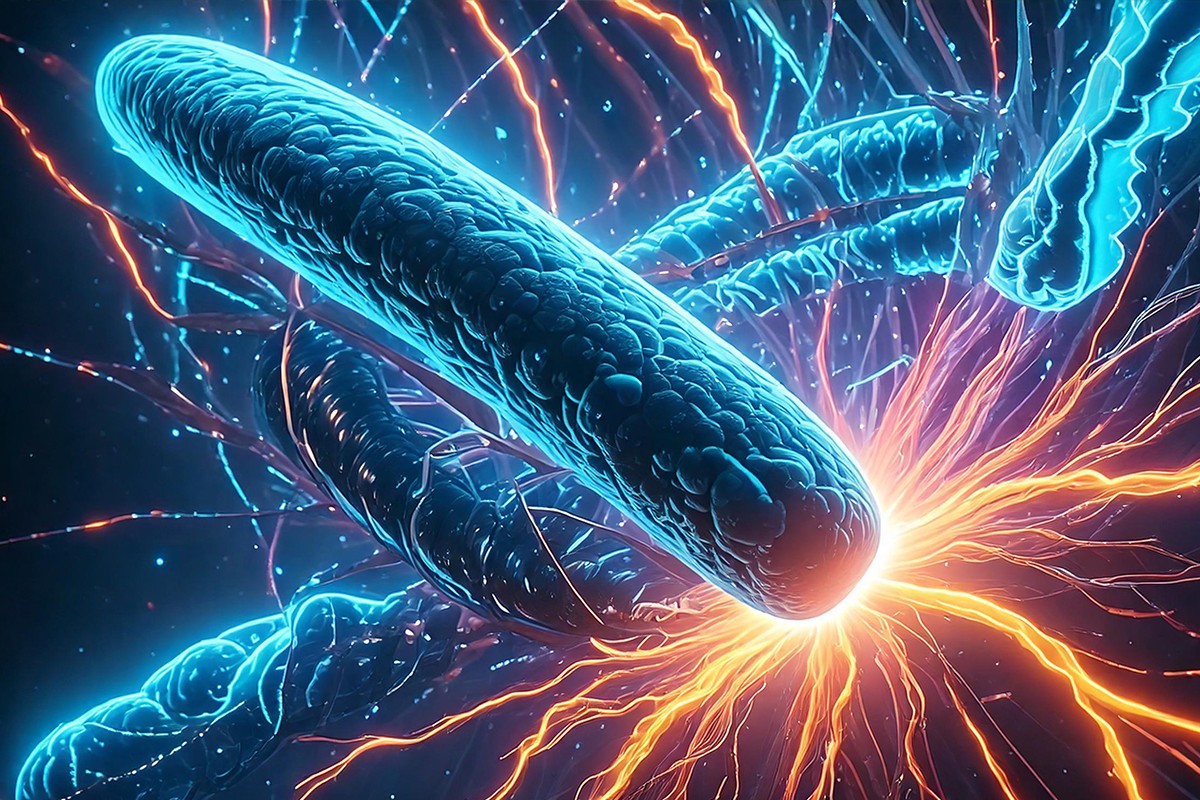
Legionella is a genus of pathogenic bacteria that includes the causative agent of Legionellosis, L. pneumophila. ‘Legionellosis’ refers to any illness caused by a bacterium in the Legionella genus; these illnesses can include the deadly pneumonia type infection called Legionnaires disease, an illness similar to flu that’s known as Pontiac fever and more.
History
Legionella was named following an outbreak in July of 1976 in which the then-unknown disease infected 221, killing 34 of those. The first symptoms of the illness were noticed among a group of US veterans who had visited an American Legion convention. This outbreak was well covered in US media and after being identified as the causative agent in January of the following year, Legionella was given its name.
Where it’s found
Legionella can be found in natural supplies of water such as lakes and ponds and also in moist soil. In addition to this you might also find Legionella in domestic or commercial water taps, water storage tanks, air conditioning systems and evaporative condensing units.
Symptoms
Legionnaires’ disease is a severe lung infection, similar to pneumonia and with the same capacity to cause the death of the sufferer. The incubation period of the infection is usually around 6-7 days and early symptoms include:
- Mild headaches
- A fever, usually 38°C or over
- Muscle fatigue and general tiredness
- Periods of confusion
- Chills
As your lungs are infected with the L. pneumophila bacterium you may also start to develop:
- A persistent cough - this is most commonly dry initially; however, can produce phlegm and even blood
- Shortness of breath
- Chest pain
The death rate for diagnosed Legionnaires’ is between 10% and 15% and people with impaired immunity are most at risk of infection.
Prevention
Legionnaires’ disease doesn’t have a vaccine and is most often caught when a person breathes in air containing contaminated water droplets, unlike some bacterial infections it cannot be passed from one person to another.
To best reduce the threat of Legionella you should ensure that any water system that you use or are responsible for is maintained correctly as per the manufacturer’s instructions and in-line with relevant health and safety regulations. Legionella can grow rapidly in water that’s between 20°C and 60°C, particularly if the water is stagnant.
For a 10 facts about Legionella CLICK HERE
What Next?
🔗 Follow us on Social Media, here is our LINK TREE
✉️ See how our additive technology can benefit your business by CONTACTING US
🦠 Find out more about Biomaster Antimicrobial Technology HERE
🎥 Watch our video on how Biomaster works WATCH NOW
📰 Subscribe to our Newsletter - SUBSCRIBE
← Back to blog