Understanding Biodeterioration in Plastics

Plastics are widely chosen for their durability. They are engineered to resist moisture, chemicals, and mechanical stress, often performing reliably for years in demanding environments.
Yet in real-world conditions, plastics are not isolated materials. They exist within biologically active environments where microorganisms are constantly present. Over time, this interaction can lead to a lesser-known but highly important process: biodeterioration.
What is Biodeterioration?
Biodeterioration refers to the gradual degradation of materials caused by the activity of microorganisms such as bacteria, fungi, and algae.
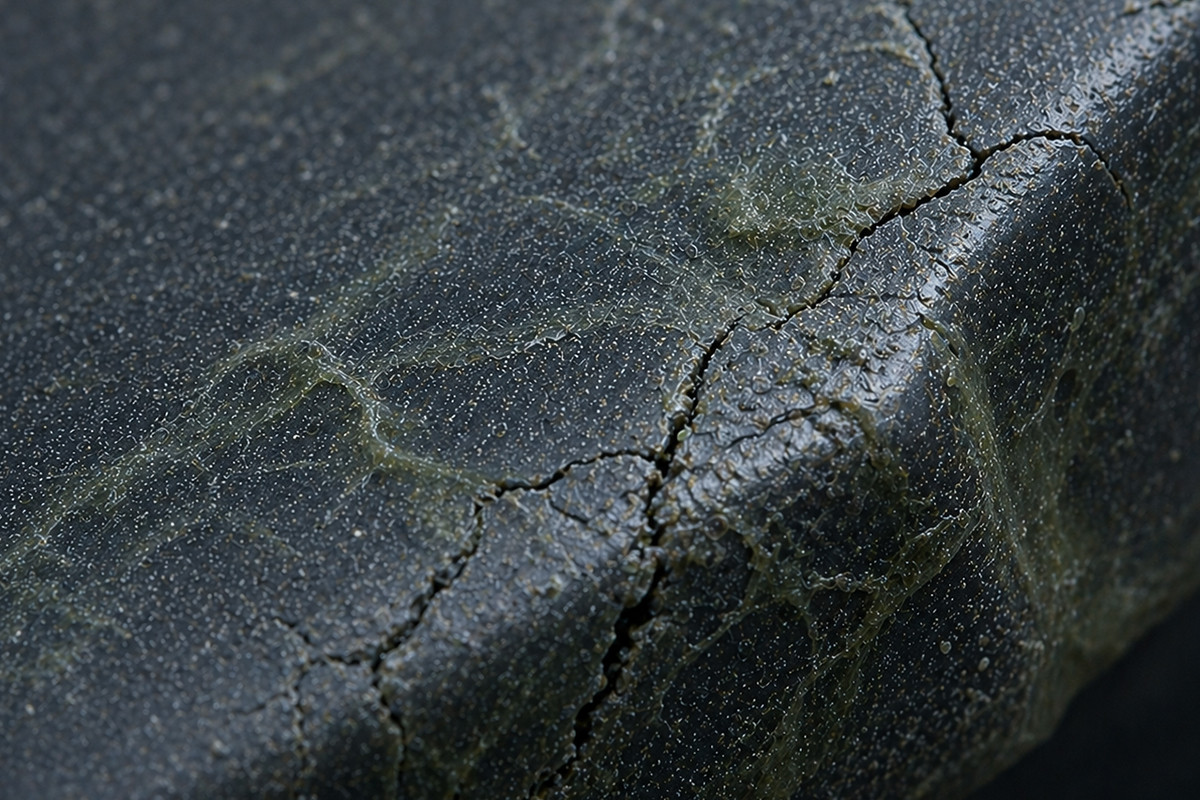
Unlike traditional wear mechanisms, which are driven by physical or chemical forces, biodeterioration is biological in nature. It occurs when microorganisms colonise a surface and begin to interact with it, often forming structured communities known as biofilms.
These microbial communities do not simply sit on the surface. They actively produce enzymes, metabolites, and organic acids that can influence how a material behaves over time.
The result is not always immediate or visible, but it is cumulative.
How Biodeterioration Develops on Plastic Surfaces
Plastic surfaces, particularly those exposed to moisture and regular handling, provide favourable conditions for microbial colonisation. The process typically develops in stages.
Initial contamination occurs through contact with air, water, or human interaction. Microorganisms begin to adhere to the surface, especially where there are microscopic imperfections or residues.
Once attached, they multiply and produce extracellular substances that help them anchor more securely. This leads to the formation of a biofilm, a thin but highly organised layer of microbial activity.
Within this environment, microorganisms become more resilient and metabolically active. They can begin to produce by-products that interact with the polymer surface.
Over time, this can contribute to:
- Surface discolouration
- Persistent odours
- Staining and visual degradation
- Changes in surface properties
- In certain cases, accelerated material breakdown
It is important to note that plastics themselves are generally resistant to direct microbial consumption. However, additives, plasticisers, surface residues, or environmental contaminants can provide a nutrient source, enabling microbial activity to persist and influence the material indirectly.
Why Biodeterioration Matters in Real-World Applications
In many industries, the performance of plastics is judged not only by their structural integrity, but also by how they maintain their appearance and functionality over time.
Biodeterioration introduces a variable that is often overlooked during the design stage.
In environments such as bathrooms, healthcare settings, consumer products, packaging, and high-touch surfaces, plastics are continuously exposed to moisture and human contact. These conditions increase the likelihood of microbial presence and, therefore, biodeterioration.
The impact is not always catastrophic failure. More often, it is gradual degradation that affects:
- Product aesthetics
- Surface cleanliness between cleaning cycles
- User perception of quality
- Long-term material performance
This is where the concept of “performance between cleans” becomes critical.
The Role of Antimicrobial Technology
Biodeterioration is driven by microbial activity. So, controlling that activity at the surface level becomes a logical approach.
Antimicrobial additive technologies are designed to be integrated into plastics during manufacturing, becoming part of the material itself rather than a surface treatment.
Their function is to inhibit the growth of microorganisms on the surface of the treated material. By limiting microbial growth, they reduce the formation of biofilms and the downstream effects associated with biodeterioration.
This does not replace cleaning. Instead, it supports the material in maintaining its condition between cleaning cycles.
From a materials perspective, this means:
- Reduced microbial buildup on the surface
- Lower potential for staining and odour development
- Improved consistency in surface appearance over time
- Support for long-term product quality
Designing Plastics with Biodeterioration in Mind
As product expectations evolve, there is increasing recognition that durability is not just about resistance to physical wear. It is also about how materials respond to their biological environment.
Designing for biodeterioration involves understanding that microbial exposure is inevitable in most real-world applications.
Rather than treating it as an afterthought, manufacturers are beginning to consider it as part of the material design process.
Integrating antimicrobial technology is one approach that aligns with this thinking, enabling plastics to better maintain their intended performance throughout their lifecycle.
A Shift in How We Define Material Performance
Traditionally, materials have been evaluated based on how they perform when new. But in practice, what matters most is how they perform over time, in real environments, under constant exposure to use and contamination.
Biodeterioration highlights this gap. It shifts the focus from initial performance to sustained performance. From how a material looks on day one, to how it behaves months or years later.
Biodeterioration is not always visible, but it is always present where materials interact with the real world. For plastics, this means that long-term performance is shaped not only by mechanical and chemical factors, but also by biological ones.
By recognising and addressing biodeterioration at the design stage, manufacturers can take a more complete approach to material performance. Antimicrobial additive technology plays a role in this by helping to control microbial growth on treated surfaces, supporting the material in maintaining its integrity, appearance, and function over time.
Find out more about our Biomaster antimicrobial additive technology
Further Reading
Willocks, P. (2026) “Designing for Durability in a Microbial World (A Framework for Understanding Biologically Mediated Material Degradation),” Designing for Durability in a Microbial World (A Framework for Understanding Biologically Mediated Material Degradation).
What Next?
🔗 Follow us on Social Media, here is our LINK TREE
✉️ See how our additive technology can benefit your business by CONTACTING US
🦠 Find out more about Biomaster Antimicrobial Technology HERE
🎥 Watch our video on how Biomaster works WATCH NOW
📰 Subscribe to our Newsletter - SUBSCRIBE
← Back to blog