Hygiene by Design and the Evolution of Bathroom Product Innovation

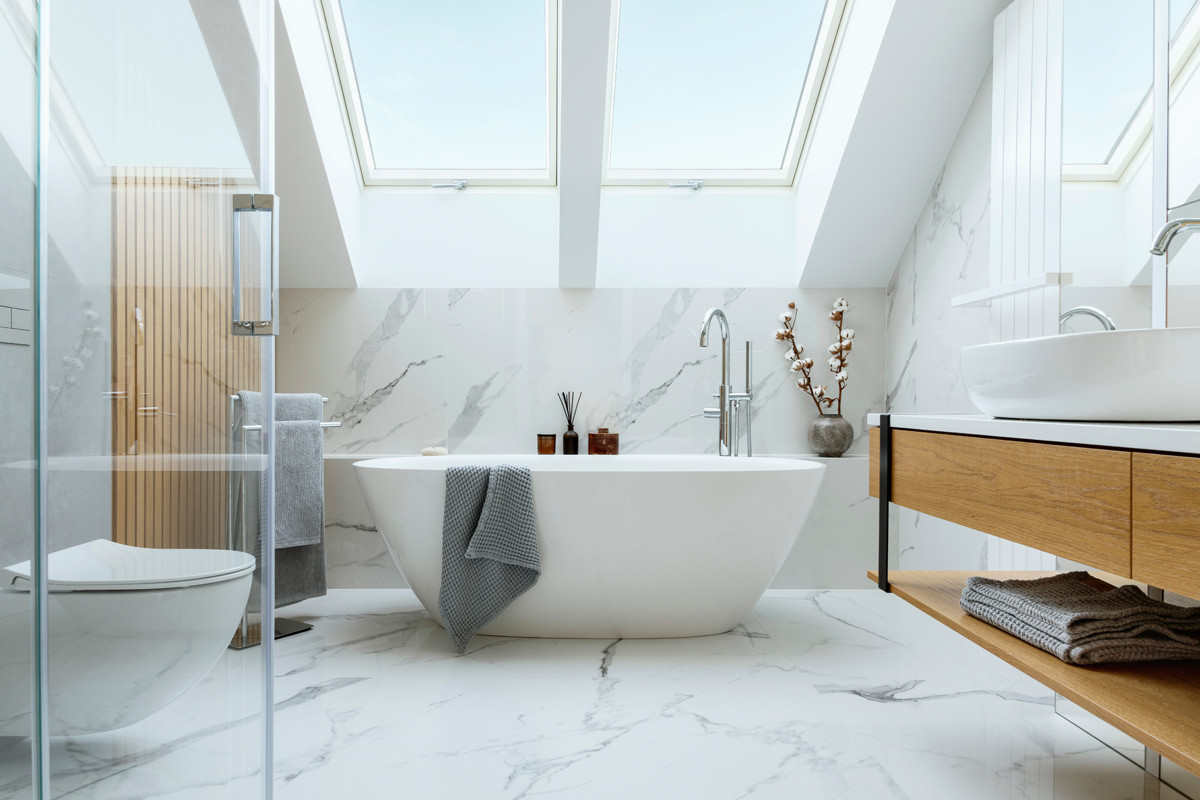
Bathroom product design has traditionally been defined by aesthetics, durability, and performance. However, another dimension is becoming increasingly important, one that is less visible, but has a growing influence on both specification and purchasing decisions.
That dimension is hygiene performance.
Bathrooms are, by their very nature, one of the most demanding environments for materials. They combine constant moisture, temperature variation, and frequent human contact, conditions that create an ongoing presence of microorganisms. Every interaction introduces new contamination pathways, whether through touch, water droplets, or airborne transfer. Over time, this can lead to odour development, staining, discolouration, and, in some cases, gradual material degradation, particularly in areas where moisture is retained.
Cleaning regimes are essential in managing this, but they are inherently reactive. They address contamination after it has occurred, and their effectiveness is limited to the moment they are applied. The reality is that the moment a surface is used again, the cycle begins again. For manufacturers, this creates a gap between how products are designed to perform and how they actually perform in real-world conditions.
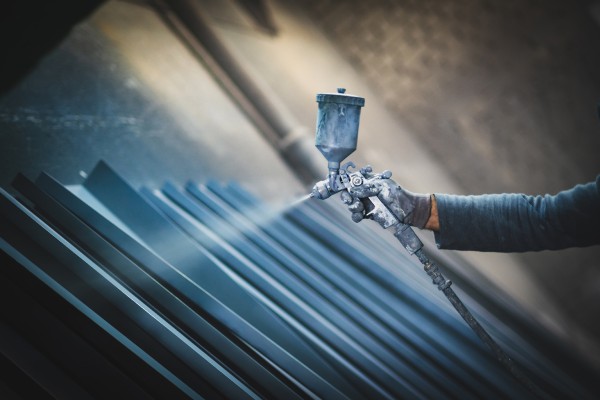
This gap is increasingly being addressed through a shift in thinking, from relying solely on external maintenance to embedding performance directly into the material itself. Antimicrobial additive technology is central to this shift. Rather than applying a surface treatment after production, antimicrobial technology is integrated into the material during manufacturing. Whether used in polymers, silicones, coatings, or composite materials, the additive becomes part of the product structure, rather than a layer that sits on top of it.
This distinction is important. Surface treatments, while effective initially, can be subject to wear, abrasion, and chemical exposure over time. In contrast, when antimicrobial technology is built into the material, it remains present throughout the life of the product. It works continuously in the background, inhibiting the growth of microorganisms on the surface and reducing the factors that contribute to odour, staining, and degradation.
For manufacturers, the chemistry behind this is less important than the outcome. What matters is that the product is better able to maintain its appearance and integrity over time. In environments where moisture and repeated use are unavoidable, this becomes a meaningful enhancement to overall performance. It is not about replacing cleaning, but about supporting it, reducing microbial buildup between cleaning cycles and helping products stay cleaner and fresher for longer.
In a market where many products already meet high standards of design and functionality, performance is becoming a key differentiator. Bathroom manufacturers are operating in an increasingly competitive landscape, where visual differences are often subtle and quickly replicated. As a result, there is a growing opportunity to differentiate through material performance, offering products that do more than just meet expectations at the point of installation, but continue to deliver value throughout their lifecycle.
This is particularly relevant in high-use environments such as hospitality, healthcare, and multi-occupancy residential developments, where the condition of bathroom products has a direct impact on user perception and maintenance costs. Products that resist staining, odour, and degradation are easier to manage, retain their appearance for longer, and reduce the need for early replacement. In this sense, antimicrobial technology is not just a hygiene feature; it is a contributor to long-term value.
There is also a clear alignment with sustainability objectives. Extending the usable life of a product is one of the most effective ways to reduce its environmental impact. When materials are better protected against the effects of microbial activity, they are less likely to require premature replacement, supporting a more responsible approach to product design and consumption.
One of the reasons antimicrobial additive technology is gaining traction is that it fits within existing manufacturing frameworks. It can be incorporated during standard production processes, typically through formats such as masterbatch, liquid dispersions, or powders, depending on the material and application. This means manufacturers can enhance product performance without fundamentally altering their production methods, tooling, or design intent.
From an operational perspective, this ease of integration is significant. Innovation that requires major process changes can be difficult to scale, whereas solutions that work within established systems are far more accessible. It also allows for flexibility, with antimicrobial functionality being applied across a wide range of materials and product types, from rigid plastic components to flexible seals and coated surfaces.
Across the industry, there is a broader movement towards raising standards in hygiene, performance, and sustainability. Organisations such as the Bathroom Association are actively encouraging innovation and responsible product development, reflecting changing expectations from both regulators and end users.
Within this context, antimicrobial additive technology is not a standalone feature, but part of a wider evolution in how bathroom products are designed and evaluated. It enables manufacturers to take a more proactive approach, building performance into the product itself rather than relying solely on external factors such as cleaning frequency or user behaviour.
The potential applications are extensive. High-contact components such as toilet seats, flush mechanisms, and taps are obvious candidates, but the benefits extend well beyond these areas. Shower trays, enclosures, wall panels, dispensers, and even less visible elements such as seals and gaskets all operate in conditions where microbial buildup can occur. By addressing these areas at the material level, manufacturers can deliver a more consistent and reliable level of performance across the entire product.
What is becoming increasingly clear is that antimicrobial technology is following a familiar trajectory. What begins as a point of differentiation gradually becomes an expected standard. In sectors where hygiene is already a critical consideration, this shift is well underway. Manufacturers who adopt early are able to position themselves as leaders, but over time, the baseline moves, and features that were once optional become essential.
For bathroom product manufacturers, the integration of antimicrobial technology represents more than a technical enhancement. It reflects a broader shift towards material-led performance, where products are designed not only for how they look and function on day one, but for how they perform over months and years of real-world use.
In a market where expectations continue to rise, that shift is likely to become increasingly important, and those who embed it into their product strategy early will be best placed to lead the next phase of innovation.
To find out more about our Biomaster antimicrobial technology CLICK HERE
What Next?
🔗 Follow us on Social Media, here is our LINK TREE
✉️ See how our additive technology can benefit your business by CONTACTING US
🦠 Find out more about Biomaster Antimicrobial Technology HERE
🎥 Watch our video on how Biomaster works WATCH NOW
📰 Subscribe to our Newsletter - SUBSCRIBE
← Back to blog