How CMC Hygea is Supporting Hygiene by Design with Biomaster Antimicrobial Technology

Healthcare-associated infections (HAIs) remain one of the most significant challenges facing healthcare systems worldwide. Despite advances in clinical practice, hygiene protocols and infection control procedures, the risk of microbial contamination continues to place pressure on hospitals, community healthcare providers and long-term care facilities. As healthcare professionals work to deliver safe and effective patient care, manufacturers of medical devices are increasingly recognising that the products themselves can also play an important role in supporting infection prevention.
Traditionally, medical device development has focused on clinical performance, reliability and regulatory compliance. While these factors remain fundamental, expectations are evolving. Today's healthcare providers are looking for products that not only perform their intended function but are also designed with hygiene in mind. This shift has led to a growing emphasis on Hygiene by Design, an approach that considers how materials, product geometry and integrated technologies can contribute to cleaner, more resilient healthcare products throughout their operational life.
This does not diminish the importance of cleaning and disinfection. Effective infection prevention will always rely on robust hygiene protocols, appropriate cleaning regimes and good clinical practice. However, manufacturers are increasingly exploring how product design can complement these measures, helping to reduce opportunities for microbial growth on product surfaces between routine cleaning cycles.
One technology that has become an established part of this approach is antimicrobial product protection. By incorporating antimicrobial additives directly into polymer products during manufacture, manufacturers can provide continuous protection against the growth of many common microbes on the protected surface without changing how the product is used or maintained. Rather than replacing existing infection control measures, antimicrobial technologies provide an additional layer of product protection that supports products used in demanding healthcare environments.
This philosophy is clearly demonstrated through the long-standing partnership between Addmaster and CMC Hygea. For more than a decade, CMC Hygea has incorporated Biomaster antimicrobial technology throughout most of its innovative PathAguard product range, creating healthcare products that combine clinical performance with built-in antimicrobial product protection. This collaboration provides an excellent example of how materials science and medical device innovation can work together to support modern infection prevention strategies.
Why Infection Prevention Begins Long Before a Product Reaches the Hospital
Every medical device begins its journey long before it enters a hospital ward or community clinic. Decisions made during product development, including material selection, manufacturing methods and product design, can have a significant influence on how that product performs throughout its lifetime.
For many years, product designers have prioritised factors such as durability, ergonomics, ease of cleaning and regulatory compliance. These remain essential considerations, but today manufacturers are increasingly asking an additional question: Can this product be designed to better support infection prevention?
This question reflects a broader shift in healthcare product development. Rather than viewing infection prevention solely as a responsibility of healthcare providers, manufacturers are recognising that thoughtful product design can also contribute to improved healthcare environments. Smooth, easy-to-clean surfaces, durable materials that withstand repeated disinfection and technologies that help protect the product itself all form part of a wider design philosophy aimed at supporting modern infection control practices.
The widespread use of polymer materials in medical devices has created further opportunities for innovation. Polymers offer exceptional versatility, allowing manufacturers to produce lightweight, durable and cost-effective products suitable for a wide range of healthcare applications. At the same time, their popularity has encouraged ongoing research into material technologies that enhance performance without compromising appearance or functionality.
One area of particular interest has been the integration of antimicrobial technologies directly into polymer materials. Unlike coatings or surface treatments that are applied after manufacture, integrated antimicrobial additives become part of the material itself, providing continuous product protection throughout the expected lifetime of the product. This approach has made antimicrobial technology an increasingly attractive option for manufacturers developing products that are routinely handled in demanding healthcare environments.
For companies such as CMC Hygea, whose products are specifically designed to support infection prevention and wound care, selecting the right materials and technologies was never simply about adding another product feature. It was about ensuring that every aspect of the product contributed to its intended purpose while maintaining the high standards of quality, performance and usability expected by healthcare professionals.
CMC Hygea: Designing Products That Support Better Infection Prevention
Founded with a clear focus on improving infection prevention and lower limb wound management, CMC Hygea has established itself as an innovative developer of Class I medical devices for use in hospitals, community healthcare and residential care environments. The company's products are designed to help clinicians deliver effective wound care whilst reducing the risk of cross-contamination through thoughtful product design and practical innovation.
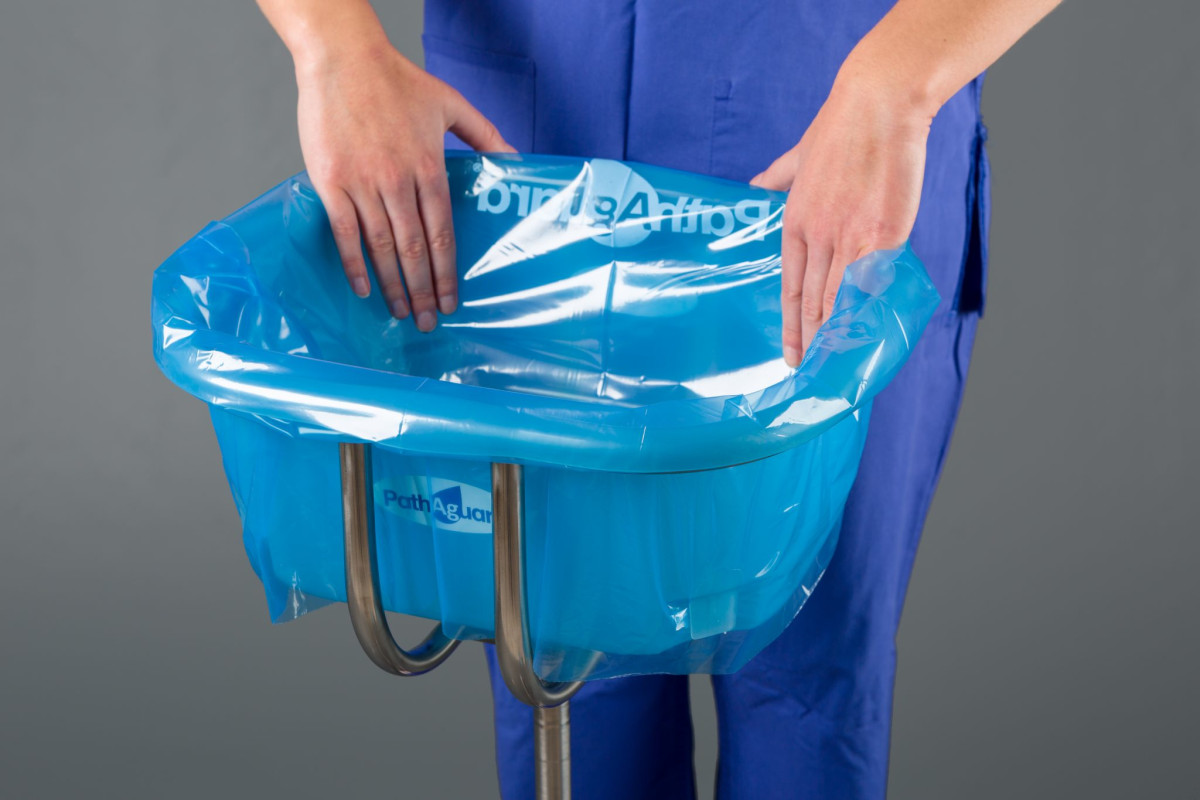
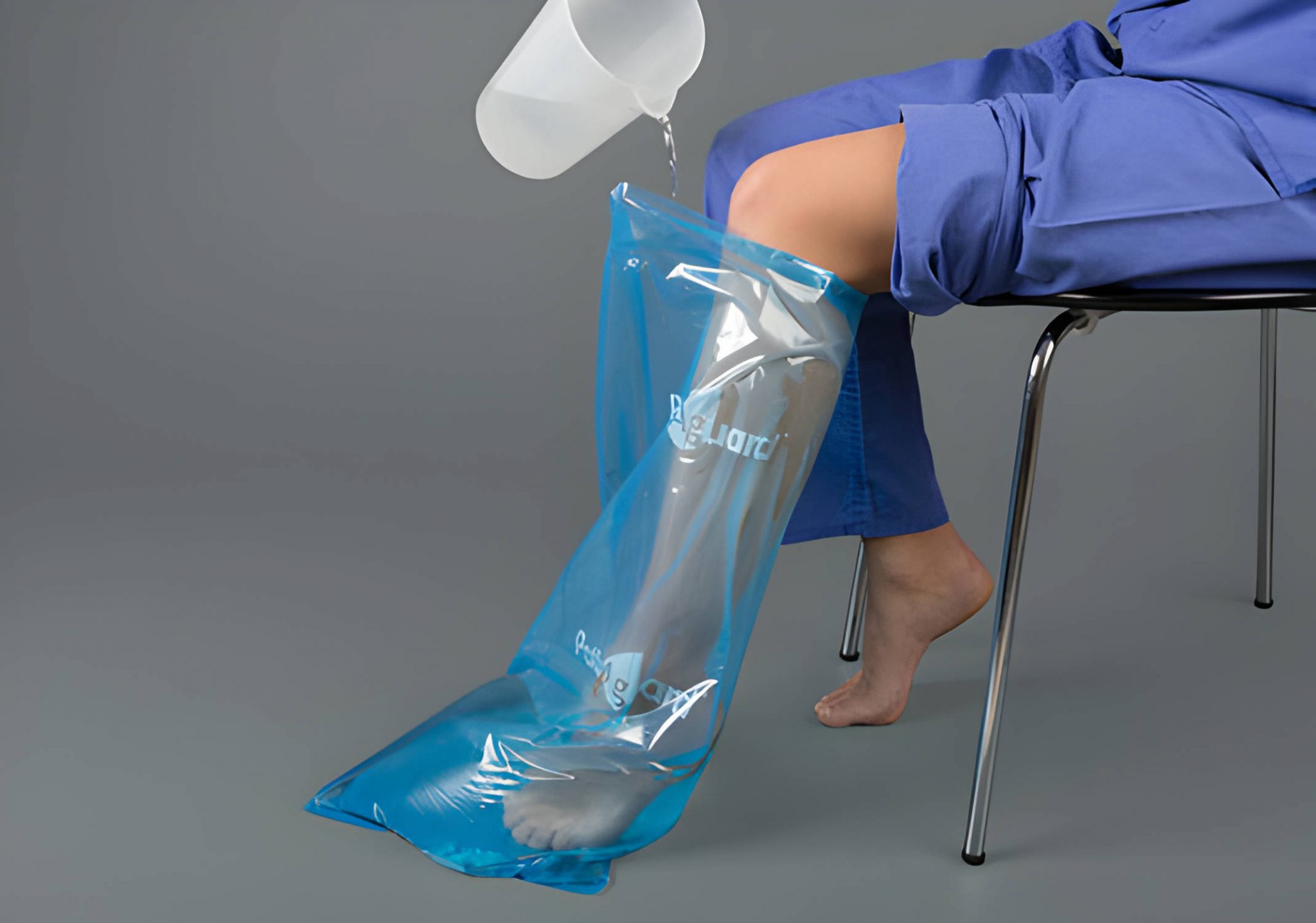
At the heart of this portfolio is the PathAguard range, a family of products developed specifically to support wound cleansing and lower limb care. These products have been created in collaboration with healthcare professionals, ensuring they address the practical challenges clinicians encounter every day. Ease of use and reliability have always been fundamental design principles, but CMC Hygea also recognised that the materials used within its products could make a valuable contribution to wider infection prevention strategies.
This philosophy aligned closely with Addmaster's own approach to Hygiene by Design. Rather than viewing antimicrobial technology as an optional enhancement, CMC Hygea wanted to integrate product protection from the earliest stages of development. The objective was to create products that not only met the demanding clinical requirements of healthcare professionals but also incorporated technologies that supported cleaner product surfaces throughout their operational life.
After evaluating the available technologies, CMC Hygea selected Biomaster antimicrobial technology for incorporation across most of its PathAguard product range. Biomaster's proven silver ion technology, long-term durability and ability to integrate directly into polymer components made it an ideal choice for products expected to perform reliably in challenging healthcare environments. Because the technology is incorporated during manufacture, it becomes an integral part of the finished product, providing continuous antimicrobial product protection for the expected lifetime of the product without altering its appearance, performance or usability.
For healthcare professionals, this means the products continue to function exactly as intended whilst benefiting from built-in antimicrobial product protection that complements established cleaning and infection prevention protocols. Importantly, Biomaster is not designed to replace routine cleaning or disinfection procedures. Instead, it provides continuous protection against the growth of many common microbes on the protected product surface between cleaning cycles, supporting the rigorous standards already followed within healthcare environments.
More Than a Technology Supplier
The relationship between CMC Hygea and Addmaster extends far beyond the supply of an antimicrobial additive. Over the past decade, the two companies have worked closely together throughout the development of the PathAguard range, combining expertise in medical device design, materials science and regulatory compliance to deliver products that meet the high expectations of modern healthcare.
Developing medical devices requires careful consideration of manufacturing processes, material compatibility, product performance and regulatory requirements. Introducing any new technology into a healthcare product demands confidence that it can be integrated consistently and reliably without compromising quality or functionality. Throughout the partnership, Addmaster has supported CMC Hygea with technical advice, product development expertise and regulatory guidance, helping ensure Biomaster could be successfully incorporated into the company's growing product portfolio.
This collaborative approach reflects a broader trend within the medical device industry. As products become more sophisticated and healthcare providers demand increasingly innovative solutions, manufacturers are looking beyond traditional supplier relationships and seeking development partners who can contribute specialist knowledge throughout the product lifecycle. By working together from the earliest stages of product development, companies can identify opportunities for innovation that might otherwise be overlooked.
Today, Biomaster is incorporated throughout many products in the PathAguard range, reflecting CMC Hygea's ongoing commitment to developing products that support modern infection prevention strategies without compromising the clinical performance healthcare professionals depend upon. More than ten years after the partnership began, the relationship continues to demonstrate how long-term collaboration can help transform innovative ideas into practical healthcare solutions used by clinicians every day.
The success of the partnership is perhaps best illustrated not by the technology itself, but by its longevity. In an industry where reliability, consistency and regulatory confidence are essential, a collaboration spanning more than a decade speaks volumes. It reflects a shared commitment to continuous improvement and a common belief that better materials, combined with better product design, can help create better outcomes for healthcare providers and the patients they care for.
The Future of Infection Prevention by Design
As healthcare systems continue to evolve, so too do the expectations placed on medical devices. Healthcare providers are looking for products that not only deliver exceptional clinical performance but also support wider objectives such as infection prevention, sustainability, durability and operational efficiency. This is encouraging manufacturers to think differently about product development, considering how every aspect of a product's design can contribute to improved patient care and better healthcare environments.
The concept of Hygiene by Design is likely to become increasingly influential as these expectations continue to grow. Rather than focusing solely on how products perform once they reach the end user, manufacturers are recognising the value of designing hygiene into products from the very beginning. Material selection, ease of cleaning, product durability and integrated technologies all have an important role to play in creating products that are better suited to the realities of modern healthcare.
For companies developing polymer-based medical devices, antimicrobial technology has become one of many tools that can support this approach. When incorporated correctly, built-in antimicrobial product protection complements existing cleaning and infection prevention procedures whilst providing manufacturers with an additional opportunity to enhance product performance. As demonstrated by the long-standing collaboration between CMC Hygea and Addmaster, the most successful implementations are those where antimicrobial technology is considered during product development rather than added as an afterthought.
More importantly, the partnership highlights the value of collaboration. The challenges facing healthcare manufacturers are becoming increasingly complex, from evolving regulatory requirements and sustainability targets to growing expectations around product longevity and infection prevention. Meeting these demands requires expertise that often extends beyond a manufacturer's own capabilities. By working closely with specialist partners, manufacturers can access the knowledge, testing, technical support and materials expertise needed to develop products that remain fit for purpose throughout their lifecycle.
For Addmaster, this collaborative approach has always been central to the way Biomaster is delivered. While the technology itself is an important part of the solution, successful implementation also depends on understanding the customer's product, manufacturing processes, regulatory obligations and long-term objectives. This partnership approach has enabled Biomaster to be successfully incorporated into thousands of products worldwide across healthcare, consumer goods, construction, transport and many other industries.
The collaboration with CMC Hygea is an excellent example of this philosophy in practice. Over more than ten years, the two companies have worked together to develop products that combine innovative medical device design with proven antimicrobial technology, creating solutions that support healthcare professionals without compromising usability, performance or manufacturing efficiency. It demonstrates that innovation is often most successful when it is built on shared expertise, long-term relationships and a common commitment to solving real-world challenges.
Conclusion
The healthcare industry is continually evolving, bringing new challenges for manufacturers and new expectations from healthcare providers. While cleaning, disinfection and good clinical practice will always remain the foundations of effective infection prevention, there is growing recognition that product design also has an important role to play. By considering hygiene from the earliest stages of development, manufacturers can create products that not only fulfil their intended purpose but also support broader infection prevention strategies throughout their operational life.
CMC Hygea's adoption of Biomaster antimicrobial technology demonstrates how this philosophy can be successfully applied in practice. For more than a decade, the partnership between CMC Hygea and Addmaster has shown how expertise in materials science and medical device development can be brought together to create products that support clinicians working in demanding healthcare environments.
As manufacturers continue to develop the next generation of healthcare products, partnerships like this will become increasingly important. By combining innovative product design with proven material technologies, manufacturers have the opportunity to develop solutions that are not only clinically effective, but also better equipped to meet the evolving needs of healthcare providers around the world.
Discover More
For more than 25 years, Addmaster has worked with manufacturers across the healthcare sector to integrate Biomaster antimicrobial technology into polymer-based products. Whether developing a new medical device or enhancing an existing product, our team provides technical expertise, regulatory guidance and materials support throughout the development process.
If you would like to learn more about Biomaster antimicrobial technology and how it can support your next healthcare product, contact the Addmaster team or find out more about Biomaster antimicrobial technology.
To learn more about the CMC Hygea PathAguard range of products visit https://cmchygea.com
What Next?
🔗 Follow us on Social Media, here is our LINK TREE
✉️ See how our additive technology can benefit your business by CONTACTING US
🦠 Find out more about Biomaster Antimicrobial Technology HERE
🎥 Watch our video on how Biomaster works WATCH NOW
📰 Subscribe to our Newsletter - SUBSCRIBE
← Back to blog