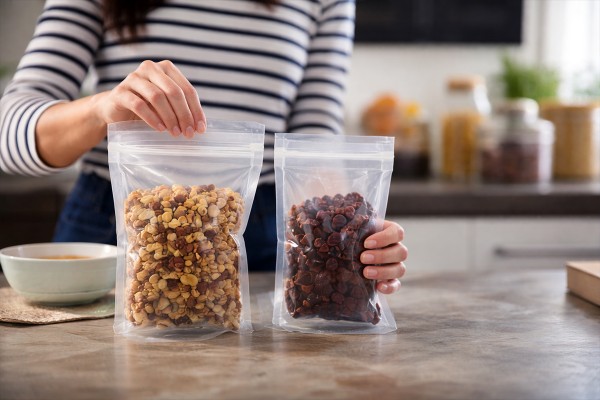
Active Packaging and the Shift Towards Smarter Materials

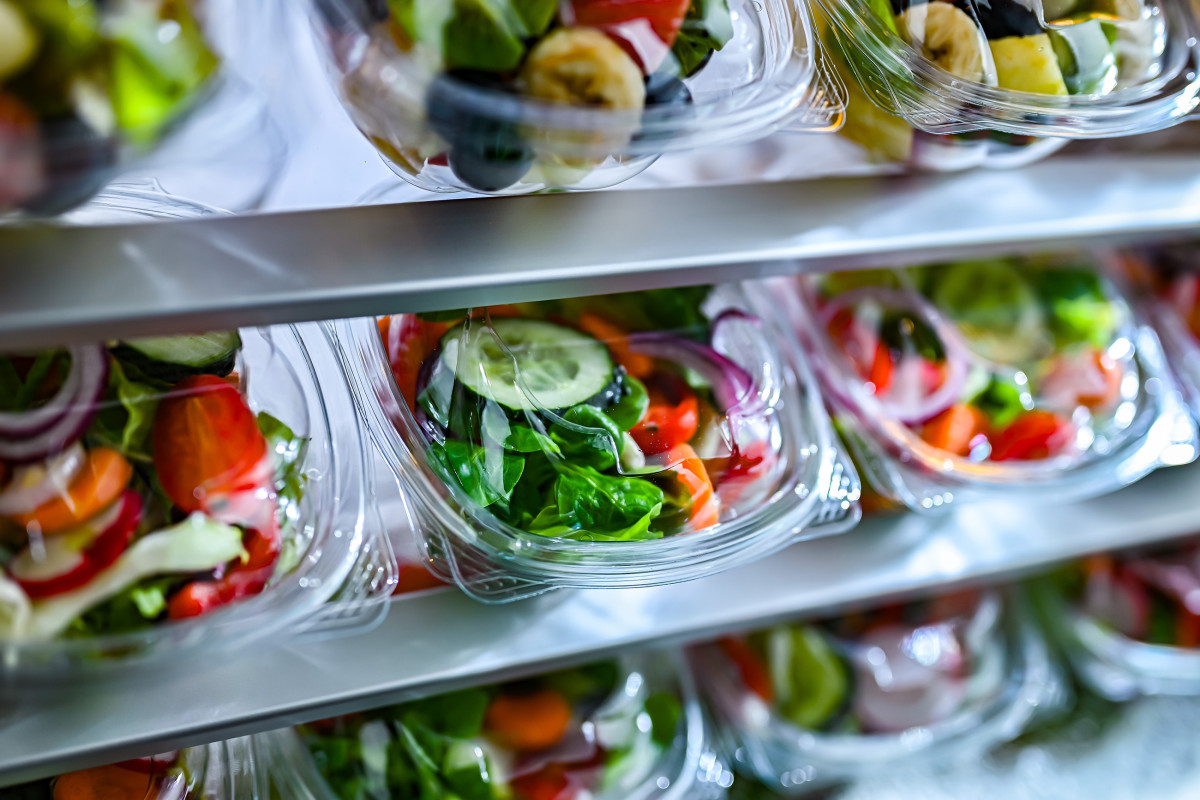
Across global markets, expectations of packaging are changing. What was once considered a passive component is now being redefined as a functional part of the product itself.
From extending shelf life and supporting product integrity to enhancing user experience and enabling more sustainable systems, packaging is being asked to do more. Active packaging sits at the centre of this shift, offering manufacturers a way to deliver added value through the materials they already use.
Rather than simply containing a product, active packaging introduces functionality. It creates an opportunity to design packaging that contributes directly to performance, consistency, and longevity.
For manufacturers, this represents not just an evolution in packaging, but a new layer of control.
A Functional Approach to Packaging Design
Active packaging refers to materials that interact with their environment in a controlled and purposeful way. Instead of acting purely as a barrier, these materials are engineered to deliver specific outcomes over time.
This can include managing moisture, controlling odours, influencing internal atmospheres, or supporting surface cleanliness. In each case, the packaging is designed with intent, contributing to how the product performs throughout its lifecycle.
What makes this approach particularly powerful is its flexibility. Active functionality can be tailored to suit the needs of different products, supply chains, and environments. It allows manufacturers to move beyond standardised solutions and toward packaging systems that are aligned with real-world performance requirements.
Expanding Opportunities Across Sectors
While active packaging has strong roots in food applications, its relevance is rapidly expanding into a wide range of industries.
In food and beverage, it offers a proven route to maintaining freshness, extending shelf life, and reducing waste. This is particularly valuable in longer supply chains or where product stability is critical.
In healthcare and medical applications, packaging plays a key role in maintaining product integrity. Functional materials can support surface-level control and contribute to consistent performance in demanding environments.
In personal care and consumer goods, active packaging opens up new possibilities around product experience. From managing odour to maintaining material quality, packaging becomes part of how the product is perceived and used.
One of the most exciting areas of growth is in reusable and refill systems. As industries move toward circular models, packaging is required to perform over multiple use cycles. Active materials can support this transition by helping maintain the condition and performance of packaging over time, enabling more durable and reliable reuse.
Unlocking Performance at the Material Level
A key development in active packaging is the move toward integrating functionality directly into the material itself.
Rather than relying on inserts, coatings, or secondary processes, additive technologies allow active performance to be built into the material during manufacturing. This creates a more streamlined and scalable approach, where functionality is consistent, durable, and aligned with existing production methods.
By incorporating additives through masterbatch or compound-level integration, manufacturers can achieve uniform performance throughout the material. This not only improves durability, but also simplifies design and reduces reliance on additional components.
It also creates opportunities to combine multiple performance features within a single material. Functionalities such as microbial control and odour management can be integrated in a way that supports both product protection and user experience.
For manufacturers, this approach offers a practical route to innovation. It enables the development of higher-performing packaging without fundamentally changing how products are made.
The Role of Antimicrobial Technologies in Packaging
Antimicrobial technologies are one of the ways in which active packaging can support material performance.
When incorporated into packaging materials, these technologies are designed to inhibit the growth of microorganisms on the surface of the product itself. This contributes to maintaining the condition and integrity of the packaging over time, particularly in environments where products are handled frequently or exposed to challenging conditions.
Importantly, these technologies are positioned around product protection, and their role is to support the durability and performance of the material.
This clarity of purpose allows antimicrobial technologies to be used effectively within active packaging systems, forming part of a broader strategy to enhance material performance and reliability.
Designing with Confidence Through Regulatory Understanding
As active packaging becomes more widely adopted, regulatory understanding becomes an essential part of successful implementation.
Frameworks such as treated article provisions in the United States and similar regulations in other regions provide clear guidance on how active technologies can be used and communicated. These frameworks are designed to ensure that materials are both effective and responsibly positioned.
For manufacturers, this creates an opportunity to develop packaging solutions that are not only high-performing, but also fully aligned with regulatory expectations. By focusing on product protection and material performance, companies can bring credible and compliant solutions to market with confidence.
This level of understanding is increasingly valued by customers, particularly in sectors where compliance and transparency are critical.
Supporting Sustainability Through Performance
Active packaging also plays a meaningful role in supporting sustainability objectives.
By extending product life and maintaining quality, it helps reduce waste across the supply chain. This is particularly relevant in sectors such as food, where spoilage can have significant environmental and economic impacts.
In reusable systems, the value becomes even more pronounced. Packaging that can maintain its condition over multiple cycles supports the transition toward circular models, reducing reliance on single-use formats.
There is also an opportunity to optimise material use more broadly. When packaging performs more effectively, it can enable simpler designs, reduce the need for additional components, and contribute to more efficient overall systems.
In this way, sustainability is not just about what materials are used, but how well they perform.
Looking Ahead to the Next Generation of Packaging
The future of packaging lies in the convergence of functionality, intelligence, and design.
Active materials will increasingly be combined with smart technologies, creating systems that not only respond to their environment but also provide insight into it. This opens up new possibilities for monitoring, traceability, and user interaction.
At the same time, expectations around performance will continue to rise. Manufacturers are being asked to deliver products that are more durable, more consistent, and more aligned with evolving market demands.
Active packaging provides a foundation for meeting these expectations. By embedding functionality at the material level, it enables packaging to become a more integral and valuable part of the product system.
Conclusion
Active packaging represents a clear opportunity for manufacturers to enhance the performance and value of their products.
By moving beyond passive protection and embracing functional materials, packaging can contribute directly to product integrity, user experience, and sustainability outcomes.
For companies looking to differentiate, improve efficiency, and respond to changing market expectations, active packaging offers a practical and scalable route forward.
Because in today’s market, packaging is no longer just about containment.
It is about performance.
What Next?
🔗 Follow us on Social Media, here is our LINK TREE
✉️ See how our additive technology can benefit your business by CONTACTING US
🦠 Find out more about Biomaster Antimicrobial Technology HERE
🎥 Watch our video on how Biomaster works WATCH NOW
📰 Subscribe to our Newsletter - SUBSCRIBE
← Back to blog