The Great British Train Scandal


'The Great British Train Scandal' was aired last night on UK TV. This eye-opening documentary exposed issues with the UK rail network, including just how unhygienic train carriages are.
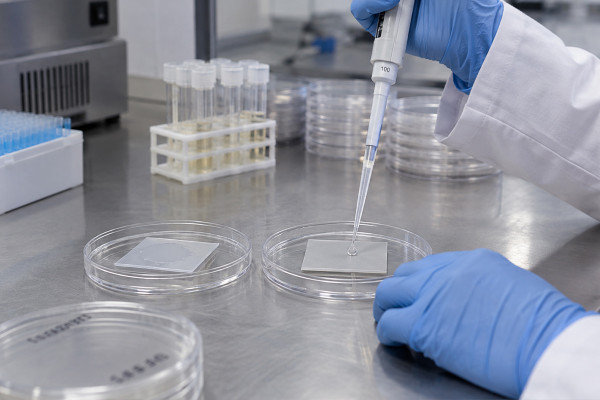
Professor Gary McLean from London Metropolitan University was interviewed on the program. A team from the university conducted a study in to the levels of bacteria on the London Underground. They took swabs of high tough point areas on the trains including the seats, walls, and handrails etc. A huge range of bacteria were found, 95 to be exact!, some of which can be potentially dangerous including salmonella, ecoli, and MRSA.
It is in these environments that antimicrobial technology really shines. It helps to keep surfaces hygienic whilst reducing opportunities for microbial growth.
Addmaster partner Trainbits and More (TBM) use Biomaster in their grab poles to reduce the risk of cross contamination.
You can watch 'The Great British Train Scandal' on My5 (Channel 5)
Find out more about TBM HERE
Find out more about Biomaster HERE
← Back to blog